THE GOLD STANDARD IN THIRD-PARTY CERTIFICATION AND TESTING : +1-800-920-6605, info@bscg.org
BSCG, the Banned Substances Control Group, is a third-party supplement certification organization focused on testing dietary supplements and other consumer products for banned drugs, contaminants, label accuracy and verifying GMP compliance. Built on Olympic-level anti-doping science, BSCG helps protect athletes, military personnel, and consumers from the risks of hidden or undeclared substances. Its testing standards were shaped by decades of drug-testing leadership across the Olympic Games, professional sports, and regulatory collaboration. Today BSCG offers 5 third-party certification programs tailored for anti-doping protection, consumer safety, CBD quality and safety, GMP compliance for brands, or onsite GMP audits for manufacturers.
BSCG is a third-party certification and testing organization that evaluates dietary supplement products, natural products, and other consumer packaged goods, or their ingredients, for banned substances, drugs of concern, contaminants, and identity and label claim accuracy. BSCG also verifies GMP compliance for manufacturers and for supplement brands or ingredient providers. The organization was created in 2004 to reduce the risk of accidental exposure to prohibited drugs through contaminated supplements. Today, BSCG supports athletes, active-duty military, brands, and consumers seeking confidence in supplement safety, product quality and GMP compliance.
Even trace contamination in supplements can lead to failed drug tests, health risks, and regulatory consequences. Third-party testing provides a critical layer of protection and verification that product labels contain what they claim on the label and do not have any hidden drugs or contaminants.
Built on a legendary foundation of more than 30 years at the forefront of anti-doping and drug testing in sport, BSCG has been a leader in supplement safety and third-party certification since its founding in 2004. The organization’s commitment to the Olympic standard in analytical testing drives every sample analyzed and every product certified. BSCG employs ISO 17025 testing and industry standard methods and limits to ensure the quality of dietary supplements and other consumer packaged goods including homeopathics, cosmetics and CBD products.
Third-party supplement certification helps reduce the risks associated with hidden ingredients, banned substances, and inaccurate label claims. Athletes and professionals subject to drug testing face serious consequences from accidental exposure. Consumers rely on product transparency and accurate labeling to make safe choices. BSCG third-party certification seals represent that companies meet or exceed industry standards for quality and compliance
Third-party testing helps by:
Third-party testing reduces the risk of hidden drugs in supplements and strengthens consumer trust in product quality. Want to know how hidden adulterants are detected? Visit our guide on supplement adulterant testing
BSCG Co-Founder Dr. Don Catlin established the first sport drug-testing laboratory in the United States at UCLA in 1982. For 25 years, he managed drug-testing programs for the IOC, USOC, USADA, MLB, NFL, NCAA, the U.S. military, and multiple Olympic Games and FIFA World Cups.
In 2000, Dr. Catlin’s team published a seminal study in JAMA documenting trace contamination in dietary supplements, identifying a significant risk factor for athletes. This was the first research study to establish that contaminated dietary supplement could lead to positive drug tests.
BSCG collaborated with the Washington Post in 2005 to expose Methasterone (Superdrol) in supplements. This led to FDA enforcement actions, including the 2009 raid on Bodybuilding.com, and started to address the concerns surrounding designer steroids in supplements.
BSCG was first to spotlight the dangerous designer stimulant Methylhexaneamine as an ingredient in dietary supplements, again through reporting with the Washington Post in 2006. The compound was largely eliminated from supplement products after years of advocacy and regulatory action that resulted from this publicity.
The team provided analytical and legal consulting support during government actions to identify and expose designer drugs such as 6-OXO and ‘Tren’ in supplements.
BSCG helped lead efforts to eliminate DEA Class III Controlled Substances from online retailers, including Amazon.
BSCG scientists developed key detection techniques for the first designer steroids Norbolethone, THG, and Madol. They also advanced methods to detect synthetic testosterone using Carbon Isotope Ratio (CIR), as well as Darbepoietin and equine erythropoietic agents.
Dr. Catlin and colleagues have authored more than 125 publications in analytical chemistry, supplement safety, doping control, mass spectrometry, and toxicology.
The evolution of supplement drug testing has been shaped by decades of scientific discovery and regulatory collaboration:
This work helped define the modern framework for supplement safety testing and third-party certification.
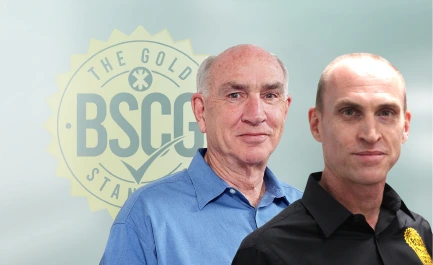
Under the leadership of President and Co-Founder Oliver Catlin, BSCG has expanded BSCG third-party certification beyond a focus on banned substances in sport to include label claim and contaminant testing, and GMP compliance audits. He also worked to expand the testing scope to include drugs not banned in sport that are relevant to consumer safety and retail compliance.
This level of screening supports both athlete safety and consumer confidence while meeting requirements from major retailers.
Following in the footsteps of Dr. Catlin, Oliver Catlin has co-authored publications on anti-doping science and nutrition. His research has explored Russian and Eastern European drugs such as Noopept, Mexidol, Cytoflavin, and Hypoxen, as well as sports nutrition topics including succinic acid and derivatives.
His priorities in research and advocacy focus on antihypoxant, anti-ischemic, nootropic, and anabolic substances that should remain a priority for anti-doping and health authorities and for regulatory oversight of supplements worldwide. He works to unveil drugs that may be used to thwart existing anti-doping regulations and expand the focus of anti-doping testing to include up and coming drugs or those that come from Eastern European that are typically not focused on in sport drug testing.
Testing for hundreds of banned substances helps reduce the risk of accidental doping violations and enhances product transparency. Organizations that require strict compliance, including professional sports leagues and military programs, rely on high-confidence testing standards. BSCG has always strived to ensure the broadest scope possible when testing for banned substances and remains a leader in the industry with coverage for more than 450 drugs.
Expanded testing also supports consumer safety by identifying drugs that are not banned in sport that may be present due to contamination, adulteration, or undeclared inclusion.
BSCG third-party certification programs verify that dietary supplements, natural products, or their ingredients are tested for banned substances, drugs of concern, environmental contaminants, and label accuracy. They also include in depth audits for GMP compliance at the manufacturing and also the brand level.
Athletes are subject to strict drug testing and risk suspension if banned substances appear in their system, even if exposure was accidental. BSCG has been an industry leader for more than 20 years as one of the founders of the third-party certification industry focused on banned substances in sport in 2004.
Yes. Research has shown that some supplements may contain trace contamination or undeclared ingredients. In fact, a compilation of research studies focused on the presence of banned substances in supplements found that more than 28% of products that were not certified could lead to an inadvertent positive drug test.
Third-party certification and testing helps verify that products match label claims, are free from banned drugs, and meet quality and safety standards. Programs also verify compliance with GMP requirements.
BSCG’s foundation in Olympic anti-doping science, extensive testing menu, and decades of analytical experience set it apart as a leader in supplement safety and certification. BSCG research efforts and advocacy help drive change and improvements in sport drug testing and supplement safety.


 YouTube Channel
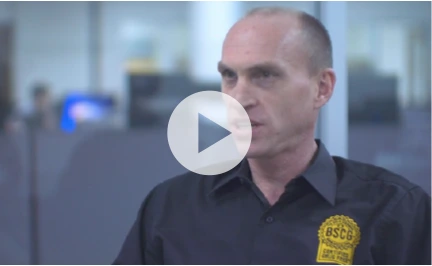
Oliver Catlin Interview
 Instagram
@bscgcertified
 BSCG BLOG
21 CFR 111 or ANSI 455-2: Which Matters More for Sports Nutrition Supplements?
 The Catlin Perspective blog widget
THE HISTORY OF BSCG

 Facebook
Banned Substances Control Group
Designed and Optimized by  Developed, PPC and SEO by
 Business Services