THE GOLD STANDARD IN THIRD-PARTY CERTIFICATION AND TESTING : +1-800-920-6605, info@bscg.org

What Is Doping? Key Facts on Sports Cheats and Testing

Mar 18, 2026

Doping is the use of banned substances or prohibited methods to gain an advantage in athletic competition, as governed by internationally recognized rules. It occurs across all levels of sport, from amateur events to the Olympic Games, and directly impacts both athlete health and fair play standards. The World Anti-Doping Agency (WADA) establishes the anti-doping frameworks adopted by sports federations, professional leagues, and many other organizations.


What Is Doping in Sports?

Doping in sports is the use by an athlete of a substance or method prohibited under anti-doping regulations in order to improve performance. These rules apply to athletes at all levels, covering Olympic sports, professional leagues, and other regulated competitions. The WADA Prohibited List serves as the definitive reference for prohibited substances and methods and is updated annually as an international standard under the World Anti-Doping Code.


Definition of Doping in Sport Under the World Anti-Doping Code

The World Anti-Doping Code defines doping as a range of rule violations, including:

  • The detection of a prohibited substance in an athlete's sample
  • Use or attempted use of a prohibited substance or method
  • Possession of prohibited substances or methods
  • Tampering with any stage of the doping control process
  • Refusal or failure to provide a sample when required
  • Trafficking or administering prohibited substances to another individual

Strict liability is central to anti-doping enforcement. Strict liability establishes that athletes are responsible for any prohibited substance present in their body, regardless of intention or means of ingestion. This applies in-competition and out-of-competition. Some substances are banned at all times, while others are restricted during competition periods only.

A substance or method is added to the Prohibited List if it meets at least two of three criteria established by WADA: demonstrated or potential for performance enhancement, documented or potential health risks to athletes, or violation of the spirit of sport as defined in the Code.


Why Doping Is Prohibited in Sports

Anti-doping rules are enforced to support three primary objectives.

Athlete health. Many banned substances pose medically significant risks. Anabolic steroids are linked to liver abnormalities, cardiovascular disease, and psychological effects. Erythropoietin misuse has associations with stroke, heart attack, and pulmonary embolism. The health consequences of doping can be long-standing and, at times, life-threatening.

Fair competition. The use of prohibited substances or methods creates an uneven playing field, distorting competition results and misrepresenting achievements to all stakeholders expecting regulated standards.

Integrity of sport. Doping undermines the credibility of competitive sport. The World Anti-Doping Code frames the spirit of sport as based on fairness, honesty, and respect. Violations directly conflict with these core values.


Common Types of Doping Substances

The WADA Prohibited List categorizes banned substances by their mechanisms of action.

Non-Approved Substances

Many unapproved pharmacological supplements have appeared on the consumer market in the form of dietary supplements, vials for subcutaneous injection, nasal sprays, and other forms. Substances that are on the WADA Prohibited List include peptides like BPC-157, or other substances like 2,4-dinitrophenol (DNP), ryanodine receptor-1-calstabin complex stabilizers [e.g. S-107, S48168 (ARM210)] and troponin activators (e.g. reldesemtiv and tirasemtiv). However this is not a complete list, any unapproved drug substance may qualify as prohibited at any time. So this category my include substances like SLU-PP-332, GHKCu, Selank, Semax, Adalank, Adamax, or yet to be approved GLP drugs like Retatrutide that are undergoing clinical trials.

Anabolic Steroids

Anabolic steroids are synthetic hormones modeled after testosterone. Use leads to increased muscle mass, strength, and recovery rates. All anabolic agents, including anabolic-androgenic steroids, prohormones, and selective androgen receptor modulators (SARMs), are permanently prohibited. Documented side effects include liver damage, cardiovascular pathology, hormone disruption, and aggression. Additional information is available in the overview of performance-enhancing drugs.

Stimulants

Stimulants are banned in-competition due to their effects on alertness and reduced fatigue perception via increased heart rate and blood flow. The WADA stimulant category exceeds 80 compounds, including amphetamines, ephedrine, methylhexaneamine (DMAA), and analogues. Stimulant misuse carries documented risks of cardiac arrhythmia and cardiac failure.

Hormones and Growth Factors

This category includes substances such as erythropoietin (EPO), human growth hormone (hGH), and insulin-like growth factor 1 (IGF-1). EPO increases red blood cell production and oxygen delivery to muscle. hGH is used to accelerate muscle repair and promote growth. Both are prohibited due to their physiological effects and potential health hazards.

Beta-2 Agonists

Beta-2 agonists have approved medical uses in asthma treatment but can cause increases in muscle mass and reductions in body fat when misused. Most agents are prohibited at all times. Clenbuterol, fenoterol, higenamine, and terbutaline are among those completely banned. Inhaled beta-2 agonists are permitted for therapeutic reasons within specified limits under therapeutic use exemptions.

Diuretics and Masking Agents

Diuretics are employed to reduce body weight or dilute urine to conceal other prohibited substances. WADA's S5 category bans substances such as furosemide, hydrochlorothiazide, spironolactone, acetazolamide, and masking agents. These compounds are prohibited because their use can interfere with accurate testing and detection.


Prohibited Methods in Doping

The WADA Prohibited List includes specific banned methods in addition to substances.

Blood manipulation. Blood transfusions and similar techniques elevate hemoglobin levels and oxygen delivery, enhancing endurance and recovery. Health risks include clotting, cardiovascular strain, and transfusion-related infections. Artificial oxygen carriers also fall under this prohibited category.

Sample manipulation. Actions such as substituting, adulterating, or tampering with blood or urine samples are considered doping violations under WADA category M2. Any method that compromises doping sample integrity is prohibited.

Gene and cell doping. WADA's M3 category covers techniques designed to modify gene expression or alter genome sequences for performance enhancement. This includes gene editing, gene silencing, and gene transfer technologies. The relative scarcity of documented incidents informs the need for regulatory vigilance to keep pace with emerging biotechnology. Some of the earliest forms of gene doping involve attaching certain genes to inert viruses in order to replicate the target gene in pursuit of a targeted goal like muscle building. Follistatin is one of the earliest gene targets for myostatin inhibition and muscle growth with the AAVI-FS344 version showing some success in primates in research from 2010.


How Anti-Doping Testing Works

Anti-doping testing protocols are designed to detect banned substances and methods using structured, scientific processes.

  1. Sample collection. Athletes are subject to unannounced testing both in-competition and out-of-competition. Testing generally involves urine, with blood samples included when specific tests, such as the Athlete Biological Passport, are required. New collection techniques have been introduced specifically the use of dried blood spots that can be analyzed for drugs.
  2. Laboratory analysis. WADA-accredited laboratories analyze samples with liquid chromatography, gas chromatography, and mass spectrometry to identify substances by chemical structure. The Wiley journal Drug Testing and Analysis is the preeminent journal for sports doping analysis providing numerous publications and updates on anti-doping testing and technology.
  3. A and B sample system. Samples are divided into A and B containers. A positive A sample initiates the opportunity to have the B sample analyzed for confirmation. This approach adds procedural reliability. Athletes are afforded the opportunity to witness a B confirmation to verify the integrity of sample seals and identity.
  4. Result management. Positive findings, called Adverse Analytical Findings (AAFs), initiate an investigation, as managed by the relevant anti-doping authority. Sanctions are determined by substance classification, athlete history, and applicable regulations. After investigation official results of positive drug tests are called Anti-Doping Rule Violations (ADRVs). WADA keeps statistics on both AAFs and ADRVs that are available on their website. Typically WADA tests upwards of 200,000 samples per year, with around a 1% positive rate of AAFs and around 60% of reported AAFs converting into ADRVs.

Testing applies beyond just competition periods. Most anabolic agents, peptide hormones, and banned methods are prohibited at all timeseven out-of-competition. Categories of Stimulants, Narcotics, Cannabinoids, and Glucocorticoids are only prohibited in competition. Categories like Beta Blockers are only relevant in certain sports like shooting or archery. Out-of-competition testing is standard for all WADA signatory programs and is essential to include in modern doping control programs.


The Role of Supplements in Doping Risk

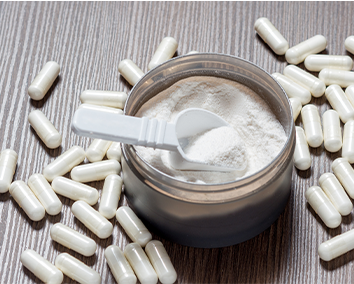
Dietary supplements represent a recognized risk for unintentional anti-doping violations. Published studies indicate that contamination rates for supplements vary by category but can range from 10% to 35%. Systematic reviews have found that over 28% of analyzed supplements contained undeclared performance-enhancing substances with the potential to cause a positive doping test.

Contamination may arise from deliberate addition of banned substances to improve efficacy, cross-contamination during manufacturing, or mislabeling. Water treatment plants do not remove all remnants of drugs or drug metabolites and so water contamination can be an issue in producing hidden contaminants in supplements and even food. Common contaminants include designer steroids, undeclared stimulants, and pharmaceutical compounds. WADA guidance stipulates that insufficient product labeling is not a valid defense during doping adjudication, and strict liability remains applicable regardless of ingestion source. Occasionally sanction relief is provided if an athlete can prove that they didn't know they were ingesting the substance and that it was hidden in a supplement product.

Third-party supplement certification programs contribute to risk reduction. The BSCG Certified Drug Free program tests each product lot for more than 450 substances, including over 400 present on the WADA Prohibited List. As of 2026, the BSCG Certified Drug Free program offers superior protection to other programs like Informed Sport and Choice, which test for 285 drugs, or NSF Certified for Sport, which tests for 290 drugs. While no certification program eliminates risk entirely, such programs provide documented evidence that a product has been tested against a comprehensive banned substance panel. It is vital to ensure that the specific supplement lot being used has been tested under such programs as not all programs test every lot. A comparison of banned substance certification programs is available for review.


Anti-Doping Programs Around the World

The WADA Prohibited List provides the foundational reference for global drug testing programs. Olympic sport federations, professional leagues such as the NFL, NHL, NBA, MLB, collegiate organizations like the NCAA, and military and first-responder agencies structure their anti-doping protocols in alignment with the WADA standard, with most tailoring their own prohibited list or banned substance list for their particular context.

At the Olympic level, the International Olympic Committee (IOC) enforces WADA requirements, with implementation delegated to the International Testing Agency. Each sport’s international federation maintains its own continuous testing framework throughout competition cycles. The Court of Arbitration for Sport (CAS), created in 1984, is often where Olympic sport doping cases are adjudicated. Most professional sports adjudicate their own cases as does the NCAA.

Anti-doping science evolves to counter newly emerging prohibited agents, including synthetic stimulants, designer steroids, or unapproved peptides and research chemicals introduced to the supplement marketplace. Third-party certification providers for banned substances are also constantly adding to their methods in order to keep up with the newest banned substances. Testing expansion now includes military, law enforcement, and equine and canine programs as well as sports.


Frequently Asked Questions

What is doping in sports?

Doping in sports consists of using prohibited substances or methods to obtain a performance advantage. This definition covers violations such as detection of banned substances in an athlete's sample and tampering with doping controls, as detailed in the World Anti-Doping Code.

Who regulates doping in sport?

The World Anti-Doping Agency (WADA) compiles the Prohibited List and establishes global anti-doping standards. The International Olympic Committee applies WADA's regulations at the Olympic Games, supported by the International Testing Agency. Professional and collegiate sport have their own anti-doping programs that are typically managed and adjudicated internally with the assistance of independent program administrators like Drug Free Sport International.

What substances are commonly used for doping?

Anabolic steroids, stimulants, peptide hormones (including EPO and hGH), beta-2 agonists, and diuretics are most frequently detected in anti-doping analyses. Each operates via distinct physiological mechanisms. Unapproved peptides and research chemicals may be considered prohibited at any time under WADA rules.

Can supplements cause a positive doping test?

Research shows that supplements may contain undeclared substances capable of yielding a positive doping result. Research has shown that hidden contaminants may appear in up to 28% of dietary supplements that have not been subject to third-party certification or testing. The principle of strict liability renders athletes responsible for all substances identified in their system, irrespective of source.

How do athletes reduce the risk of accidental doping from supplements?

Utilizing supplements certified by recognized third-party certification programs, such as BSCG Certified Drug Free, Informed Sport or Choice, NSF Certified for Sport, Cologne List, or HASTA provides documented evidence of banned substance screening for specific product lots. Verifying that a lot has been certified is essential for athletes, military service members, or first responders subject to strict drug testing. Certification mitigates, but does not eliminate, the risk of contamination or prohibited substance exposure. Third-party certification has proven to be very effective at reducing the occurrence of inadvertent positive drug tests from supplements.


Maintaining Integrity in Athletic Competition

Comprehending the parameters of doping and anti-doping system operation is essential for stakeholders in regulated sport and supplement manufacturing. Doping presents persistent challenges due to competitive pressures, evolving designer compounds, and the continuing risk of supplement contamination.

Robust anti-doping compliance rests on systematic testing, comprehensive education regarding prohibited substances and methods, and independent oversight anchored to the WADA Prohibited List. These combined factors safeguard athlete health and the conditions necessary for fair sport.

Athletes, coaches, and supplement brands in regulated environments are expected to stay informed regarding the WADA Prohibited List and to collaborate with accredited certification programs as standard practice for responsible participation.

BSCG Certified Clients

Social, Videos, And Blogs

oliver video youtube YouTube Channel

Oliver Catlin Interview

Interviewer:What necessitated your thinking that athletes deserved a level of protection?
Oliver:As the director of the UCLA Olympic Lab, my father attended hearings with athletes who had tested positive for banned...
Watch
bscg certified instagram Instagram

@bscgcertified

See More Post
What-Is-Doping BSCG BLOG

What Is Doping? Key Facts on Sports Cheats and Testing

Doping is the use of banned substances or prohibited methods to gain an advantage in athletic competition, as governed by internationally recognized rules. It occurs across all levels of sport, from amateur events to the Olympic Games, and directly impacts both athlete health and fair play standards. The World Anti-Doping Agency (WADA) establishes the anti-doping frameworks adopted by sports federations, professional leagues, and many other organ...
Read More
history of bscg message The Catlin Perspective blog widget

THE HISTORY OF BSCG

A renowned leader in sports drug testing has become a trusted provider of third-party testing and certification.For more than three decades, the Catlin standard of excellence in analytical testing has been a driving force within....
Read More
bscgcertified twiter img Twitter

@BSCGCertified

See More Post
banned substances control group facebook Facebook

Banned Substances Control Group

See More Post

THIRD-PARTY CERTIFICATION & TESTING

BSCG LLC 2025 / All rights reserved