CBD For Dogs? Here’s Why Pet Supplements Need Testing
Feb 25, 2026
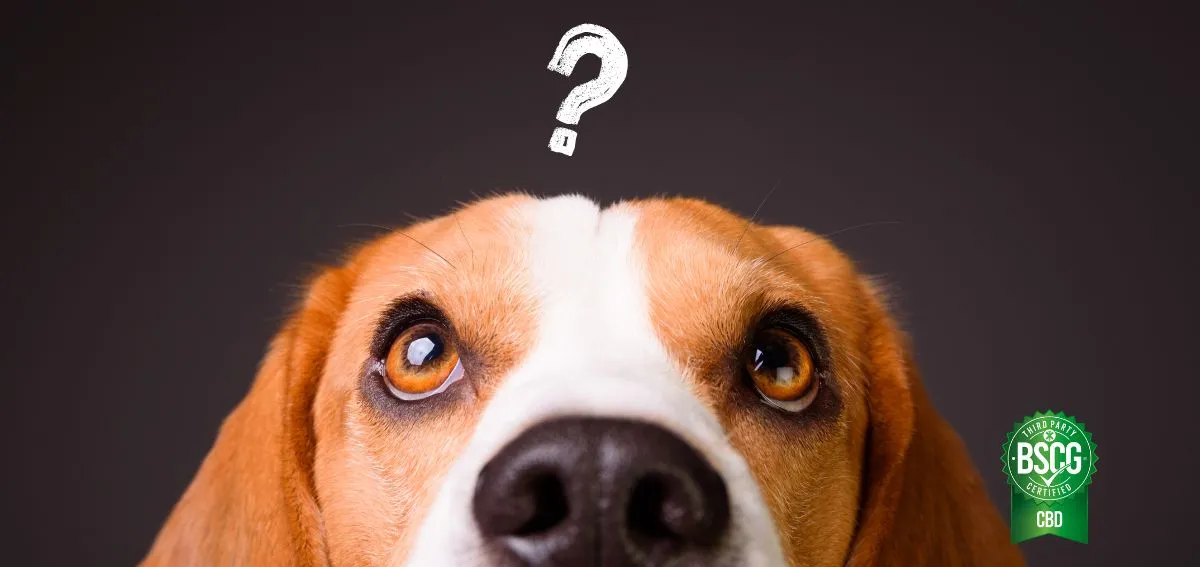
CBD occupies a complex role in the wellness space. While it’s got plenty of potential and science behind it, sometimes its benefits can be overshadowed by questions about purity and label claims. This relationship might get blurred even further as CBD looks to cross the kitchen floor and eyes up a place in the family pet’s dinner bowl. Research published in Frontiers in Veterinary Science tracked more than 47,000 dogs and found a potential link to reduced aggression over time, particularly in older and unwell dogs. While that sounds like a potentially massive win for pets, if you go a little deeper, it may serve up the same problems we find in human supplements. As animal medication becomes increasingly popular, there are risks to consider. This means third-party certification matters just as much for dogs as it does for elite athletes.
What The Survey Didn’t Control For
What makes this unique is not just that the dogs seemed to get something out of CBD, but that there were plenty of variables left unmeasured. The dog owners reported the CBD use without much consistent data on the exact dosages given, formulations used, purity, or product sources. The study did talk about the prevalence of CBD use, which meant 18.2% of dogs with dementia used it, while 12.5% of dogs with osteoarthritis joint problems used the substance. These outcomes were tracked without knowing exactly what the dogs were taking, which is an uncertainty that mirrors what we sometimes see in the human supplement market, where identical labels might contain different levels of cannabinoids. Admittedly, the dogs were probably given their owners' CBD, but thanks to their smaller body size, such inconsistencies in product strength or contamination might have amplified effects. Without independent third-party testing, well-meaning supplementation could become a guessing game that puts pets at risk.
Pet CBD Still Lives In The Wild West
Most of us will do anything to help our best friend feel calmer and comfortable, but are we doing the right thing? A 2025 review in the Journal of Cannabis Researchstated there are no licensed veterinary CBD products on the market. This is because the FDA has stated that there is no appropriate testing and data, so they cannot ensure their safety or effectiveness. The study cautions pet owners against using these products without veterinary advice. The review highlights that CBD products have repeatedly shown mismatches between label claims and the contents of the bottles, along with contamination concerns such as heavy metals and pesticides. For pets, the THC question might also be a factor because they could be sensitive to it. If CBD is going to play a legit role in pet wellness, it should have the same baseline protections that we expect for human products.
Safety Starts with Proof
With purity and label claims often in question, that’s where BSCG Certified CBD can protect both man and his best friend. This program was created to bring quality, consistency, and accountability to an industry that can sometimes lack all three. Every lot of a BSCG Certified CBD product is tested for banned substances and cannabinoids to verify label claims and ensure THC limits comply with regulatory and drug-testing requirements. Added to that is surveillance screening for heavy metals, pesticides, and microbiological agents. While third-party testing has become a marketing buzzword, BSCG’s certification transforms it into proof backed by scientific rigor. For brands, it means credibility with regulators and consumers alike. For athletes, professionals, and everyday users exploring cannabinoids for themselves or their pets, it’s the a way for consumers to ensure what’s on the label is exactly what’s in the product.
Testing Is Non-Negotiable For Pet Health
As CBD makes its move from human wellness into pet care, the message from the scientific and regulatory communities stays consistent. There may be real potential, but potential without solid evidence doesn’t protect anyone. A dog can’t choose their supplements, read a label, or tell you when something is off. That responsibility sits squarely with the owners. Until veterinary CBD products are properly approved by the FDA, independent third-party testing will always be the ultimate safeguard. This type of certification isn’t about trying to slow down science or deprive pets of relief. It boils down to making sure that if CBD is given to pets, it meets the same standards of transparency, consistency, and scientific accountability that should apply to anything affecting a person’s health and well-being, or a pet’s. When you love your dog, protecting them is not taking a chance or following a trend. It’s about certainty and choosing proof over hope.



CERTIFIED CLIENTS
Search by Lot, Product, Brand, Category, or Other Keyword.
Certified Drug Free
Certified Quality

Certified GMP
Certified CBD