Certified Quality for Best Supplement Brands
Apr 29, 2026
The U.S. dietary supplements market approached $70 billion in 2024. This expansion has increased the challenge of verifying product quality. An increase in brands, ingredients, and claims requires more robust measures for quality assessment. A Certified Quality certification provides independent, documented evidence that a product meets defined quality standards. In a market with widespread quality claims, third-party certification substantiates compliance based on recognized, independent testing rather than company statements.
Definition of Best Supplement Brands
The best supplement brands are those with products or ingredients independently verified to meet or exceed established quality standards. These standards require confirmed ingredient identity, validated label claims, and screening for contaminants and banned substances. Third-party certification from recognized organizations serves as the formal mechanism for demonstrating objective compliance, moving beyond self-reported claims.
Importance of Certification in the Supplement Industry
Dietary supplements are not subject to the same pre-market approval as prescription drugs. Manufacturers bear responsibility for product safety and accurate labeling, yet federal regulations do not require independent verification before entering the market. Third-party supplement certification addresses this regulatory gap by providing an independent quality control layer.
Consumer surveys indicate a demand for transparency in supplement purchases. Approximately 62% of consumers report that third-party certification by reputable organizations increases their confidence in a supplement. Certification enables brands to provide verifiable, factual data to support label claims.
Quality Assurance and Reliability
Independent laboratory testing provides a validated basis for quality assurance. The Certified Quality annual testing program verifies the content on supplement labels through full process review, including raw material evaluation, manufacturing oversight, and finished product testing.
Absence of independent assurance leaves critical quality questions unresolved regarding the presence of heavy metals, pesticides, microbiological agents, or undeclared drug contaminants. A U.S. Government Accountability Office analysis identified trace contaminants in 93% of the 40 dietary supplements examined. Third-party testing detects and addresses these risks prior to consumer availability offering security to both brands and product consumers.
Regulatory Significance and International Recognition
Testing within the BSCG Certified Quality program adheres to industry standard methods and limits as outlined by AHPA, AOAC, ANSI 173, Health Canada, USP, EPA, FDA, and other globally recognized standards. Contaminant limits conform to or exceed national and international requirements.
BSCG holds international recognition as a third-party certification provider from organizations such as the NFL, UFC, U.S. Department of Defense Operation Supplement Safety (OPSS), NIH Office of Dietary Supplements, International Testing Agency, Canadian Centre for Ethics in Sport, Academy of Nutrition and Dietetics, British Dietetic Association, CrossFit, LPGA, and Amazon. Institutional recognition is an important factor for brands targeting professional, military, or global retail markets, where documented compliance often determines distribution.
Components of a Certified Quality Program
The BSCG Certified Quality program is a third-party certification designed to ensure retail and consumer protection. This program serves both finished product brands and ingredient suppliers, with scope in four core domains:
- Ingredient identity and label claim verification
- Environmental contaminant testing for heavy metals, microbiological agents, or pesticides
- Screening for over 450 banned substances and pharmaceutical drugs
- GMP compliance audit and quality control review (GMP certification must be maintained by production facilities as a core requirement)
Identity Verification
Identity testing establishes that a product’s contents correspond to label claims. Testing methods include LCMS, GCMS, ICPMS, HPLC, TLC, DNA analysis, microscopy, or other approaches as determined by the ingredient type. Accredited laboratories to ISO/IEC 17025 conduct all testing.
Misidentified ingredients present significant compliance and safety risks. Published analyses report that 59% of botanical supplements tested contained plant species not declared on the label, and ingredient substitution appeared in 83% of companies studied. Routine identity verification enables detection and correction of these discrepancies.
Label Claim Validation
Label claim testing quantitatively verifies the nutrient amounts specified on product labels. The Certified Quality program evaluates two nutritional markers per product by default, with options for additional markers as needed. This process transforms marketing statements into specifications supported by objective analysis.
Contaminant and Banned Substance Analysis
Contaminant testing encompasses heavy metals, pesticides in herbal supplements, and microbiological agents. The banned substance screen evaluates over 450 drugs, spanning substances banned in sport and including more than 50 prescription, over-the-counter, and illicit drugs not banned in sport. This screening also fulfills the banned substance requirements set by Amazon in Seller Central, supporting regulatory compliance for online sales channels.
Certification Process for a Certified Quality Certificate
Certification requires documentation review, facility compliance verification, and analytical testing, implemented as a structured process. Understanding each stage facilitates preparation and can reduce certification delays.
Selection of a Credible Certification Organization
The certification provider determines the scope and authority of any certificate issued. Decision-making should consider the comprehensiveness of the testing menu, accreditation status of laboratories, and formal recognition by sport, regulatory, or retail organizations. BSCG’s programs leverage three decades of experience in anti-doping and sports drug testing, and are structured by co-founders with foundational roles in U.S. sports drug testing. Program rigor reflects this expertise.
Documentation and Facility GMP Compliance Preparation
Prior to analytical testing, the Certified Quality program initiates an evaluation of GMP compliance and a comprehensive quality control review. This inspection covers label evaluation to ensure the requirements of 21 CFR 101 are met, a review of supplier qualification processes, ingredient and finished product specifications and testing, adverse event protocols, and recall procedures.
All manufacturers must undergo a GMP audit from BSCG or an approved entity and maintain that certified status, or demonstrate equivalent compliance to the applicable quality standards for the region of sale. The program enforces GMP requirements to confirm specifications as defined by 21 CFR 111.75.
Completion of Testing
The program requires annual testing of one batch for each participating product or ingredient. Most result reporting is completed within 20 business days of sample receipt. The laboratory analysis includes label claim markers, contaminants, and the full banned substance screen. Additional batches remain eligible for certification as needed.
Ongoing Standard Maintenance
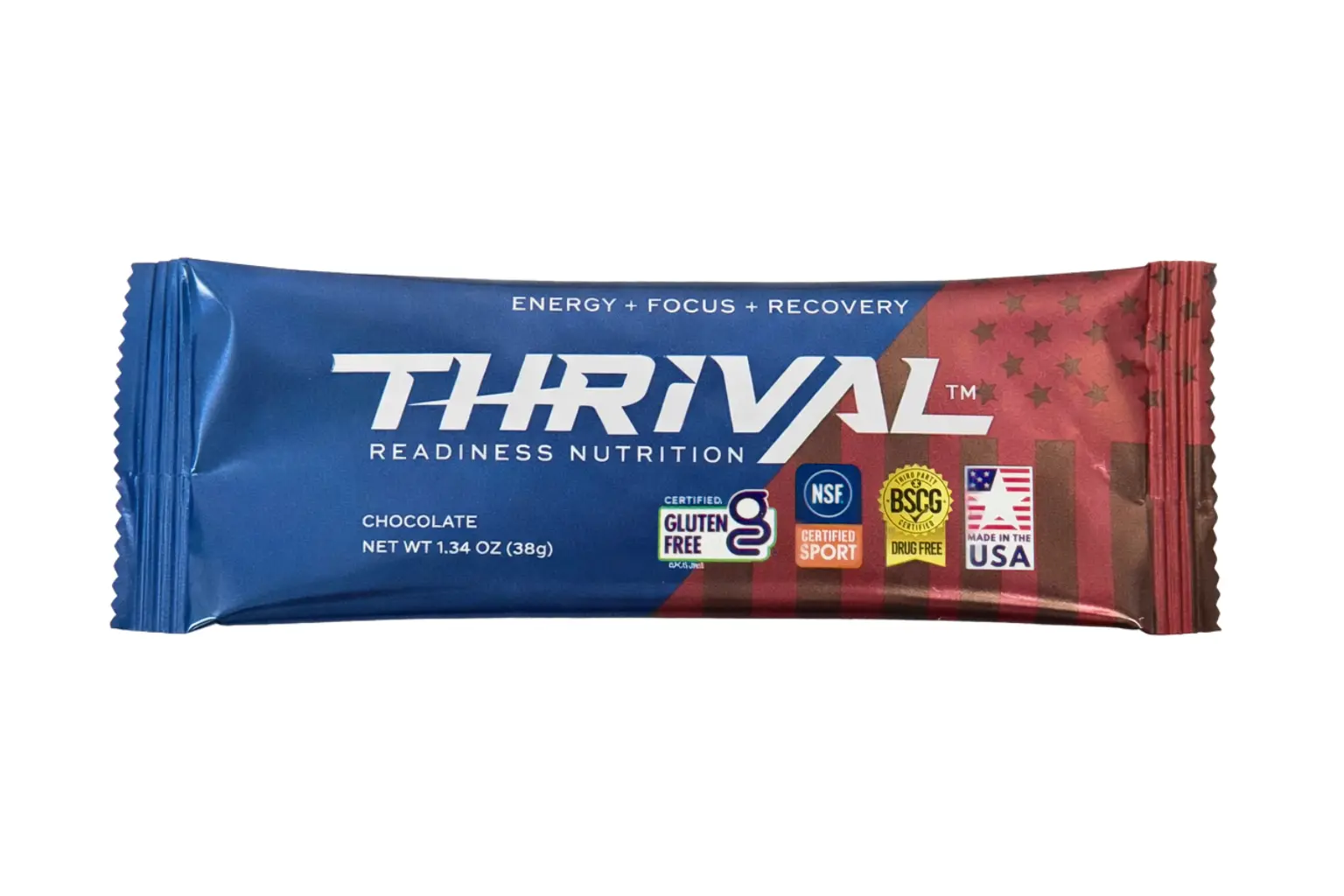
Certified Quality operates as a continuous compliance framework, not as a single certification event. Products undergo annual testing and evaluation against quality specifications. GMP certification from a reputable provider must be maintained by production facilities. The possibility of unannounced retail sampling ensures ongoing program integrity. Certified products and brands are listed in the BSCG Certified Clients database. The display of the blue BSCG Certified Quality seal on packaging and marketing materials reflects program status in line with certification protocols.
Recognized Challenges in the Certification Process
The supplement industry’s internal quality controls are frequently not visible to external reviewers or consumers. Many brands discover deficiencies during their initial engagement with certification. A 46% increase in FDA observations related to supplement manufacturing from 2023 to 2024 underscores how often compliance issues occur across the industry.
Typical Pitfalls and Oversights
Common issues include unsubstantiated GMP status claims and incomplete records for supplier qualification or testing. Brands often rely on in-house processes that may not meet industry standards. Comprehensive documentation and independent analysis are required to substantiate product composition and quality.
Incomplete or inconsistent batch documentation, missing approvals or signatures, and discrepancies between production and quality control records are principal causes for timeline extensions. FDA guidance specifies that insufficient documentation is equivalent to an activity not being performed and such deficiencies are common during FDA facility audits.
Adapting to Evolving Regulatory Standards
Regulatory standards evolve in response to advances in science and regulatory expectation. The Certified Quality program maintains alignment with current retail and regulatory requirements—including those in ANSI 173 and Amazon Seller Central—by updating protocols as new requirements emerge and providing a structured system for ongoing compliance.
Value of Certified Quality for Supplement Brands
The Certified Quality program enables companies to demonstrate that products fulfill dietary supplement quality control requirements, and are manufactured in accordance with GMP standards or other relevant guidelines. Documented certification enables consumers to touch and feel the quality of products and rest assured that they have been verified.
Market Position and Distribution Access
Certified Quality is structured to ensure compatibility with major retailer requirements, such as Amazon’s ISO/IEC 17025 laboratory testing standards. Third-party certification supports access to broader retail channels, both domestically and internationally, where GMP audits and formal documentation are prerequisites for stocking. The BSCG Certified Quality program, and the BSCG Certified Drug Free program, are both part of the Amazon Compliance Fast Track.
Trust with Retailers and Consumers
Independent, third-party certification promotes transparency with both retailers and end-users by providing documented evidence of product quality. Certified items are listed in the BSCG Certified Clients database. For populations such as athletes or military personnel, the program provides assurance regarding contaminant and banned substance control, grounded in documented analysis rather than marketing language. The Certified Drug Free program strengthens protection with every lot tested for banned substances.
Continuous Compliance Under Certified Quality
Ongoing certification delivers the highest impact as an ongoing quality management process. Annual testing, GMP audit requirements, and contingency for randomized retail sampling ensure continuous adherence to standards rather than single-event compliance.
Brands seeking persistent compliance and broad institutional recognition may use the BSCG Certified Quality program to align with global sport, military, and retail expectations. Partnership with recognized third-party certification providers and consistent internal practices are essential for maintaining credibility in regulated distribution environments and building trust with consumers.
Frequently Asked Questions
What does the BSCG Certified Quality program verify?
The program verifies ingredient identity, label claims, environmental contaminants (including heavy metals, microbiological agents, or pesticides), screens for more than 450 banned substances and pharmaceutical drugs, and confirms GMP compliance.
How frequently must products be tested under Certified Quality?
Certified Quality requires annual testing of one batch per participating product or ingredient. Manufacturers must maintain GMP certification, which is verified annually. BSCG retains the right to perform random retail testing at any time. Additional lots can be certified as needed.
Does Certified Quality extend to ingredient suppliers in addition to finished product brands?
Yes. The program is available to both finished product brands and ingredient suppliers, ensuring coverage throughout the supplement supply chain.
Does the Certified Quality screening process satisfy Amazon’s supplement testing requirements?
Yes. The label claim and contaminant testing process follows Amazon guidelines and banned substance screening encompasses all drugs specified by Amazon Seller Central for dietary supplements, supporting e-commerce compliance.
What contributes most frequently to certification delays?
Deficiencies in documentation—such as incomplete batch records, absence of adequate supplier qualification procedures, or insufficient GMP compliance evidence—account for most certification delays. Addressing these prior to application typically expedites the process.
Is Certified Quality recognized by organizations in sport and military sectors?
BSCG is recognized as a third-party certification provider by organizations including Amazon, NFL, UFC, U.S. Department of Defense OPSS, NIH Office of Dietary Supplements, and others. This recognition indicates acceptance but does not imply endorsement of individual certified products.
CERTIFIED CLIENTS
Search by Lot, Product, Brand, Category, or Other Keyword.
Certified Drug Free
Certified Quality
Certified GMP
Certified CBD