GHK-Cu: Sport and Military Rules You Need to Know
Mar 16, 2026
GHK-Cu is a peptide complex primarily used for injury and soft tissue repair and in topical formulations for skin and hair. Despite it's status as an unapproved peptide that should not be available for human consumption, it is found in a variety of forms including creams, sprays, capsules, and in vials of lyophilized powder intended for subcutaneous injection. GHK-Cu has received attention regarding its regulatory status for general consumers and in competitive sports and military service. GHK-Cu does not currently appear on major banned substance lists, but as a research chemical it may be considered prohibited under clauses that ban unapproved drugs. This article details the regulatory landscape for consumers, athletes, military service members, and manufacturers producing products containing GHK-Cu.
What Is GHK-Cu?
GHK-Cu (Glycyl-L-histidyl-L-lysine-copper) is a naturally occurring copper peptide complex present in human plasma, saliva, and urine. It consists of the tripeptide glycine, histidine, and lysine, complexed with copper ions. Research first identified GHK-Cu in 1973, demonstrating its capacity to induce protein expression in aged human liver tissue that mirrors younger samples. Plasma concentrations decline with age, averaging 200 ng/mL at age 20 and approximately 80 ng/mL by age 60.
Common Applications
GHK-Cu sees predominant use in topical skincare and cosmetic formulations. Published research demonstrates that it can stimulate the synthesis and breakdown of collagen and glycosaminoglycans, modulate metalloproteinases and their inhibitors, and accelerate wound healing across multiple tissue types. It has also been explored for it's potential to treat lung disorders like COPD and emphysema. Most commercial uses of GHK-Cu are limited to creams and serums for cutaneous and hair care. The FDA has not approved GHK-Cu for injectable administration, as a drug, and it is not considered as a legal dietary supplement. Topical applications in skincare, and microneedling applications, are legal within current cosmetic parameters.
Is GHK-Cu Banned in Sports?
GHK-Cu does not appear on the World Anti-Doping Agency (WADA) Prohibited List as of this writing. Regulatory distinction exists between GHK-Cu and other peptides such as BPC-157, which WADA bans under the S0 “non-approved substances” category. While GHK-Cu does not appear by name it could be considered banned as a non-approved substances as the language potentially covers "any pharmacological substance which is not addressed by any of the subsequent sections of the List and with no current approval by any governmental regulatory health authority for human therapeutic use." So CHK-Cu falls into a grey area in the sport drug testing regulations as it is not specifically listed but may be interpreted to be prohibited as a unapproved peptide.
Athletes and organizations should verify the current status of substances, as banned lists undergo continual updates to address emerging compounds. Sports organizations, professional leagues, and federations may deploy their own banned lists that vary from the WADA framework. Drug-tested athletes should confirm compliance with their governing entity's requirements, independent of WADA's designations.
Military Contexts: Clarifying Potential Restrictions
The Department of Defense (DoD) maintains a Prohibited Dietary Supplement Ingredients list per DoDI 6130.06. Operation Supplement Safety (OPSS) specifies that peptide hormones are on this list and advises service members to avoid products containing them. However, the OPSS DoD prohibited list of dietary supplement ingredients does not yet include GHK-Cu.
The FDA's 503A Categories Update (September 2024) lists injectable GHK-Cu as a Category 2 substance, indicating significant safety risks in compounding. This distinction indicates that topical GHK-Cu is not expressly prohibited for military personnel, while injectable forms remain restricted.
Military policy applies strict liability to positive drug test results, regardless of intent or awareness, and this includes consequences for inadvertent ingestion of contaminated supplements. Disciplinary measures may include administrative actions or court-martial. Military drug testing protocols frequently update detection panels to include new synthetic cannabinoids, designer stimulants, and novel psychoactive substances. Service members are responsible for understanding the substances monitored through their respective programs.
The DoD banned substance list mirrors much of the WADA Prohibited List. Categories S0-S5 are included in the scope of military drug testing. This may result in interpretation that GHK-Cu is a prohibited substance in the military.
Implications for Brands and Manufacturers
Manufacturers or distributors of products containing peptides must navigate complex regulatory requirements. The BSCG Dietary Supplement Ingredient Advisory List enumerates ingredients sold as dietary supplements that appear not to qualify as legal ingredients, including investigational new drugs or substances previously considered pharmaceuticals.
BSCG does not certify supplement products containing ingredients on this advisory list, and most such substances are also banned in drug-tested environments. GHK-Cu is on the BSCG advisory list, along with other unapproved peptides like BPC-157 and TB 500.
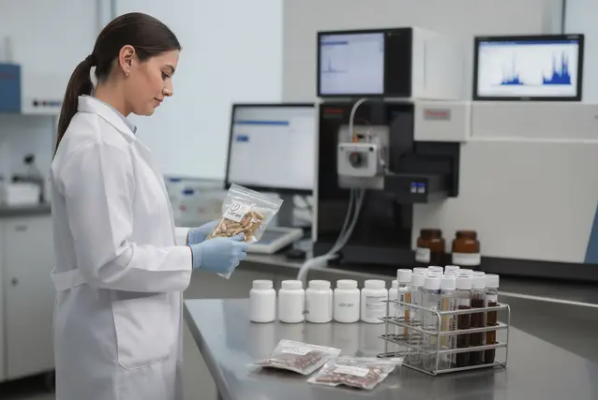
Third-party certification programs test products for compliance with the WADA Prohibited List through analytical evaluation, not marketing assurance. BSCG's Certified Drug Free program tests each lot of finished product for over 450 substances, including 400+ that are banned by WADA and other sport and military drug testing programs. This process supports brands in monitoring compliance and managing risk in regulated markets.
Brands utilizing peptides or related compounds should confirm alignment with the Dietary Supplement Health and Education Act criteria for supplements. Ingredients frequently prohibited in sports are also monitored in other drug-tested fields. Manufacturers can mitigate risks of contamination by employing banned substance testing and third-party certification.
Future Perspectives
The peptide sector demonstrates ongoing growth and regulatory adaptation. Market analysis indicates that sales of Copper Peptide GHK-Cu may reach USD 250 million by 2033, growing at a compound annual rate of 9.5 percent from 2024.
Regulatory authorities continue to refine the oversight of peptides. Few peptides possess FDA approval, and most remain categorized as research-only or unapproved new drugs. The FDA regularly updates guidance on peptides, especially for injectable or compounded forms.
Anti-doping and military organizations expand banned substance panels to include emerging agents. As noted in the BSCG testing menu, substances can be added, removed, or adjusted in response to regulatory needs and new evidence.
The Department of Defense applies a zero-tolerance policy and continues to update drug-testing panels to include newly identified compounds. Regulatory status for substances may shift as oversight increases and scientific information evolves. GHK-Cu does not yet appear by name on major banned substance lists, but as an unapproved peptide it may be interpreted to be banned at any time.
Individuals and organizations subject to drug testing maintain responsibility for regularly reviewing current lists, as regulatory classification is subject to change. Accurate, up-to-date compliance requires routine verification against recognized sources.
Frequently Asked Questions
What is GHK-Cu?
GHK-Cu is a copper peptide complex naturally found in human plasma, saliva, and urine. It comprises the tripeptide glycine, histidine, and lysine, and forms a coordination complex with copper ions.
Is GHK-Cu Legal to Use in Cosmetics, Injectable Products, or Dietary Supplements?
GHK-Cu currently fits within guidelines for cosmetic products and forms available for cosmetic use appear to be legal. As an unapproved peptide and research chemical GHK-Cu does not appear to fit within the definition of a legal dietary supplement ingredient for ingestion. Injectable forms of GHK-Cu would qualify as drugs, and GHK-Cu is not currently approved by the US FDA as a drug.
Does GHK-Cu appear on the WADA Prohibited List?
GHK-Cu does not currently appear on the WADA Prohibited List, although it may be interpreted as prohibited under category S0, which covers unapproved pharmaceutical substances. Athletes must verify the substance status with their particular governing authority, as lists are frequently updated.
Can military personnel use products containing GHK-Cu?
The FDA designates injectable GHK-Cu as a Category 2 substance with significant safety risks. Topical forms are not explicitly prohibited but may require service members to consult Operation Supplement Safety resources to verify current status. As an unapproved peptide it does not qualify as a dietary supplement ingredient and as such it may be interpreted to be banned at any time.
Should brands include GHK-Cu in dietary supplements?
Brands should determine whether GHK-Cu qualifies under the Dietary Supplement Health and Education Act. As GHK-Cu is currently considered an unapproved peptide it would not appear to qualify as a legal dietary supplement.
How do banned substance lists change over time?
Anti-doping and military testing programs revise prohibited lists to reflect new scientific and usage data. Both sport and military drug testing banned substance lists cover unapproved pharmaceutical substances, and GHK-Cu may be interpreted to be prohibited under the broad language used. Organizations reserve the ability to add or remove compounds in response to regulatory findings or changing trends.
CERTIFIED CLIENTS
Search by Lot, Product, Brand, Category, or Other Keyword.
Certified Drug Free
Certified Quality
Certified GMP
Certified CBD