Supplement Brand Trust and Quality Assurance Certification
Apr 20, 2026
A good way to build trust in a supplement brand is through third-party certification. Brand statements in the dietary supplement industry sometimes diverge from actual product content, and they are hard for consumers to verify. Compliance officers, quality assurance leads, and brand owners recognize that this gap also introduces operational risk. Brand trust and quality assurance certification address this risk through independent verification, which supplies objective documentation that supports label claims. Explore the mechanisms by which certification enhances credibility, the scope of various certification programs, and the benefits of ongoing third-party validation throughout the supply chain.
Defining Brand Trust and Quality Assurance Certification
Brand trust and quality assurance certification involve evaluation by an independent third party to validate that a product meets specific quality standards, contains what is stated on the label, and is produced under compliant manufacturing conditions. In the dietary supplement industry, certification may include banned substance testing, verification of label claims, screening for environmental contaminants, and compliance with Good Manufacturing Practice (GMP) through audits.
Establishing Brand Credibility
Credibility in the supplement market results from third-party verification, not self-attestation. Independent certification demonstrates that products comply with labeling and GMP requirements. Brands lack the objectivity required to substantiate their own claims effectively.
Accurate labeling is a key factor. Programs such as BSCG Certified Quality provide annual verification of ingredient identity and label claims while also including testing for environmental contaminants and banned substances. Documentation resulting from this process serves as a factual resource for retailers, athletes, and consumers.
Transparency further supports this foundation, especially as it pertains to banned substance certification. As outlined in the third-party certification comparison, "transparency is the cornerstone to third-party certification. Hidden details can create holes that banned substances can slip through. Transparency builds trust." Publicly available databases of certified products and lot numbers provide verifiable transparency.
Third-party validation employs standardized methodologies. All BSCG testing occurs in ISO 17025 accredited laboratories using validated procedures, with detection thresholds in the low parts per billion for banned substances. ISO 17025 accreditation signifies that laboratory practices undergo independent evaluation for technical competence and meet international standards for testing laboratories.
Scope of Industry Certifications and International Context
Certification requirements differ among product categories and markets. Finished supplement brands, ingredient suppliers, and contract manufacturers each have distinct regulatory obligations. Certification programs address every segment of the supply chain, from raw materials to manufacturing facilities.
The principal concern for sport nutrition products is banned substance testing. The BSCG Certified Drug Free program evaluates every lot of finished product for more than 450 substances, including approximately 400 drugs prohibited by the World Anti-Doping Agency (WADA), as well as various prescription, over-the-counter, and illicit substances. Testing for finished products covers every lot, eliminating reliance on representative sampling. Certification is available to ingredient brands as well with a monthly frequency of testing offered.
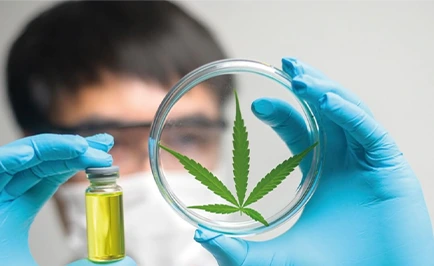
Retail-focused brands often participate in the Certified Quality program, which integrates assessment of label accuracy, contaminant presence, and banned substance risks. For CBD and hemp products, the BSCG Certified CBD program established combined protocols for cannabinoid content, THC limits, banned substance evaluation, and manufacturing compliance audits.
Manufacturing facilities can participate in the Certified Facility program, which includes an onsite audit for GMP compliance and banned substance risk assessment. For animal supplements, BSCG offers banned substance protection programs that reflect drug testing regulations that govern animal sport, like those outlined by the Horseracing Integrity and Safety Authority (HISA).
Long-Term Implications of Brand Trust and Quality Assurance Certification
Certification provides greatest value to supplement brands through persistent, documented compliance rather than through initial or one-time audits. U.S. federal supplement regulations are not consistently enforced regarding drug adulteration. Brands relying only on baseline regulatory compliance are exposed to legal and commercial risk. BSCG's programs were created to establish a defensible compliance record and to demonstrate that a brand has gone above and beyond industry standards to ensure the quality of their products.
Ongoing testing forms a critical part of this compliance record. Certified Drug Free protocols require testing of every lot of finished product, with annual quality verification. Ingredient programs necessitate either lot-by-lot or monthly testing. Continuous surveillance differentiates programs designed for enduring reliability from those with only periodic audits.
Retailer policies increasingly require evidence of third-party testing. The BSCG testing panel covers substances mandated by Amazon for various supplement categories. Brands pursuing broader retail distribution must supply documentation of testing that aligns with distribution platform requirements. The BSCG Certified Drug Free and Certified Quality programs are both part of the Amazon compliance fast track.
Third-party certification also functions as a tool for risk management. Certified seals communicate to buyers, distributors, and other stakeholders that a brand has submitted its products to objective review. This is relevant for decision makers in regulated and institutional contexts where verifiable compliance is prioritized. Surveys have shown that consumers are more likely to purchase products they view as transparent and have shown a return on investment on transparency initiatives like third-party certification.
Recognition by International Regulatory and Professional Bodies
Statements from regulatory and advisory bodies reinforce the value of third-party certification. WADA has indicated that supplements evaluated under quality assurance programs "can help to reduce, but not eliminate, the risk of an inadvertent doping infringement." The International Olympic Committee recommends third-party auditing as a means of risk management for athletes. The United States Anti-Doping Agency (USADA) cautions that while third-party certification is not a guarantee, it is "a step in the right direction."
No program completely eliminates risk, and leading institutions recognize this limitation. However, their guidance consistently expresses preference for the use of certified, independently tested products.
BSCG programs maintain institutional recognition from organizations such as the NFL, UFC, LPGA, CrossFit, the NIH Office of Dietary Supplements, the U.S. Department of Defense Operation Supplement Safety (OPSS), the International Testing Agency, the Canadian Centre for Ethics in Sport, and the British Dietetic Association, among others. Recognition reflects acknowledgement of the scope and reliability of rigorous third-party certification.
Institutional recognition acknowledges that such certification programs have a legitimate role in risk management. This does not constitute explicit endorsement of specific products.
FAQ
Why do certifications matter for international product launches?
Many national sport organizations and anti-doping bodies recommend or require that athletes use supplements subjected to comprehensive third-party batch testing. Recognized certification provides documentation of review against relevant prohibited substance lists, which facilitates cross-border acceptance and risk mitigation.
How do third-party audits differ from internal reviews?
Third-party audits are performed by independent entities that have no operational or financial connection to the manufacturer. This separation eliminates conflicts of interest inherent in internal audits. External GMP audits also offer corrective-action reports and independently verifiable results that internal processes are unable to replicate.
Can certification requirements be customized for various product lines and stakeholders?
Certification programs are available for finished product brands, ingredient suppliers, manufacturing sites, CBD products, and animal supplements. Testing and audit criteria align with each segment's regulatory requirements and unique risk profiles.
What distinguishes ongoing testing from initial or periodic evaluations?
Initial certification establishes a compliance baseline, while ongoing testing under programs like Certified Drug Free and Certified CBD sustains the compliance standard over time. Continuous or batch-by-batch testing forms the core of ongoing risk management, reducing the likelihood of lapses compared to periodic evaluations.
How do international regulators and professional bodies view supplement certifications?
Organizations such as WADA, the International Olympic Committee, USADA, NFL, UFC, and the Voluntary Anti-Doping Association consistently mention third-party certification as a risk mitigation measure. Institutional acceptance and reference of specific programs may differ based on region and organizational policy.
Certifications as a Means to Documented Quality and Risk Management
The dietary supplement sector operates under regulatory frameworks that may not always address downstream quality or integrity issues. Third-party certification fills the accountability gap left by self-declared claims and limited oversight and allows quality of products to be demonstrated and showcased to consumers and drug tested athletes.
Objective testing, transparent data, and structured auditing contribute to a record of compliance that meets the information needs of retailers, regulators, athletes, and institutional buyers. This record develops over the life cycle of each product through sustained certification activities.
Businesses operating as brands, suppliers, or manufacturers use brand trust and quality assurance certification to demonstrate compliance and manage regulatory and reputational risk within evidence-based parameters. Programs provided by BSCG, including Certified Drug Free and GMP certification, are structured to address all stages of the supplement supply chain and to support long-term regulatory alignment and market access.
CERTIFIED CLIENTS
Search by Lot, Product, Brand, Category, or Other Keyword.
Certified Drug Free
Certified Quality
Certified GMP
Certified CBD