Third-Party Supplement Certification for CPG Supplements
May 06, 2026
Ingredient testing and facility audits are essential components of supplement quality control. However, neither process verifies the contents of the final product available to consumers. A raw material may meet identity testing requirements, and a facility may hold a GMP certificate, but the finished product can still deviate from label claims, contain environmental contaminants, or include undeclared substances. Third-party supplement certification at the finished product level addresses this verification gap by evaluating the actual supplement, not only the ingredients or the manufacturing environment.
What Is Third-Party Supplement Certification?
Third-party supplement certification is an independent verification process conducted by an organization unaffiliated with the manufacturer or distributor. This process evaluates a finished supplement against defined quality, safety, and compliance standards. It typically includes analytical testing, review of label claims, contaminant screening, and assessment of manufacturing compliance. Certification culminates in the award of a recognized certification mark.
Why Focus on Finished Product Verification?
The FDA does not review dietary supplements for safety or label accuracy before market entry. Responsibility for product composition and claims rests solely with manufacturers. As a result, a product may be produced in a GMP-compliant facility using tested ingredients and still differ from the information presented on the label.
Analyses in the field have demonstrated that quality concerns with dietary supplements are relatively common. A 2025 testing retrospective indicated that approximately half of top-selling supplements did not meet basic label accuracy standards. Industry estimates suggest that between 10% and 30% of supplements in certain categories include prohibited substances. Ingredient and facility oversight alone do not fully mitigate these risks.
For brands, ensuring product quality has practical compliance implications. Retailers and online platforms increasingly require documentation from third-party testing programs. Amazon supplement seller central, for example, mandates a Certificate of Analysis from an ISO 17025 accredited laboratory for dietary supplements sold through its platform in certain high risk categories like sports nutrition, weight loss, or joint health. Brands with ongoing, documented test results are better positioned to conform with these requirements and to reduce liability exposure during recalls or adverse events.
Common Approaches to Third-Party Supplement Certification
Certification programs provide ongoing verification across multiple production cycles, differing fundamentally from one-time laboratory testing. A single laboratory report only indicates the composition of one batch at a specific point in time. Certification programs typically include ongoing testing, facility audits, documentation review, and compliance monitoring, for both a process and testing based approach. A certification seal is issued to brands to signify participation to stakeholders.
For finished products, certification programs generally require testing of at least one production lot per product within a defined period. Some programs require lot-by-lot testing prior to release, which is especially important for programs that focus on testing for substances banned in sport. Testing occurs in ISO 17025 accredited laboratories using validated analytical methods. Results are evaluated against specifications for identity, potency, and contaminant thresholds. Certified products are listed in publicly accessible databases, allowing for independent verification of lot numbers.
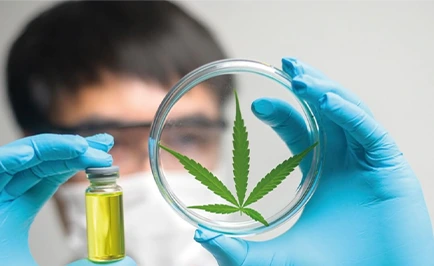
BSCG's finished product certification programs operate at varying testing frequencies depending on the intended audience. The BSCG Certified Drug Free program was built for anti-doping purposes to protect athletes, military service members, and other drug tested professionals. It tests every production lot for over 450 drugs, including substances on the WADA Prohibited List, and also includes a GMP compliance audit and verification of label claim and contaminant testing protocols and certificates of analysis. The BSCG Certified Quality program designed for consumer protection and retail compliance requires testing one lot per product annually to meet minimum requirements. Testing assesses ingredient identity, label claims, environmental contaminants, and banned substances. Both programs utilize ISO 17025 accredited laboratories and require manufacturing facilities to maintain GMP certification as a baseline requirement. BSCG also has a Certified CBD program for hemp and CBD products that tests every lot for cannabinoids like THC and CBD, and banned substances with initial and surveillance testing for environmental contaminants.
Major Credentialing Elements for Finished Product Verification
Recognized certification programs for finished product verification may include several core assessment areas.
- Identity confirmation. Testing establishes whether finished product ingredients match those declared on the label. While FDA cGMPs require identity testing for dietary ingredients, third-party certification provides independent confirmation.
- Potency and label claim validation. Analytical testing quantifies whether the labeled ingredient amounts are present within established tolerance ranges. For example, Certified Quality usually verifies two ingredient specifications or nutrient markers per product, with additional markers included to comply with ANSI 173 or specific customer needs.
- Banned substance screening. Products marketed to athletes or regulated sectors typically undergo additional screening for prohibited substances. BSCG covers over 450 drugs in its testing, providing industry leading banned substance coverage, NSF Certified for Sport® covers more than 290, and Informed Sport covers over 285. The extent of the screening menu influences the overall protection offered by a certification.
- Contaminant testing. Testing for heavy metals, pesticides, and microbiological parameters is typically included in programs focused on product quality like BSCG Certified Quality or NSF Contents Certified. CBD and hemp product certifications include further cannabinoid profile verification and THC measurement to verify compliance with regulations, BSCG screens for THC at much lower limits to protect against positive drug tests.
- GMP alignment. Most finished product certification programs require evidence of GMP audits for manufacturing facilities. This prerequisite verifies that production processes align with regulatory requirements under 21 CFR Part 111. GMP certification establishes that manufacturers have appropriate procedures in place, but only finished product testing can verify the quality and integrity of consumer packaged goods.
Key Differences Between Ingredient, Facility, and Finished Product Certifications
Ingredient, facility, and finished product certifications address different aspects of quality assurance and should be considered distinct.
Ingredient certification validates that a raw material or branded ingredient meets defined specifications related to identity, purity, strength, composition and limits on contaminants. This assurance occurs at the input stage and addresses potential contamination in the supply chain. It does not account for manufacturing or packaging variables. Ingredient certification verifies that raw materials meet product specification and are free of contaminants so that brands and manufacturers can rely on the integrity of their ingredients.
Facility certification confirms that a manufacturing environment operates in compliance with GMP requirements. Onsite audits review processes, equipment, documentation, and procedures for regulatory alignment. GMP conformance establishes expectations for product quality but does not, in itself, verify finished product composition.
Finished product certification involves testing the actual supplement post-manufacture. This certification type provides direct evidence of product contents, or screens for the presence of banned substances, pharmaceutical drugs, or environmental contaminants. The testing frequency of the program influences the level of assurance; lot-by-lot testing provides more specific verification than annual sampling. When considering certification coverage, verification using product lot numbers in a public database is recommended, as not all programs have the same frequency of testing.
Factors to Consider When Selecting a Finished Product Certification Program
The following criteria are important when evaluating certification programs.
- Laboratory accreditation. All analytical testing should take place in ISO 17025 accredited laboratories whose accreditation scope includes dietary supplements. This accreditation confirms laboratory capabilities, methodological validation, and impartiality.
- Testing scope and transparency. The most transparent programs publish testing menus, detection limits, and reporting thresholds to allow for the public to review the scope of the program. Without disclosure, the range of substances assessed and the level of protection remain unclear. BSCG, for example, makes testing menus and detection thresholds publicly available.
- Testing frequency and lot coverage. Program protocols may require every lot to be tested, annual sampling, or periodic post-market testing. Testing every lot offers the strongest protection when it comes to certification for banned substances in sport, while annual checks are more common for programs that evaluate product quality and integrity. Certification applies only to the specific production lot that was tested. Verification should include matching lot numbers with certification databases especially for athletes, military service members and others subject to strict drug testing.
- GMP review inclusion. Comprehensive programs include audits of manufacturing processes, supplier qualifications, adverse event reporting, and recall protocols in addition to analytical testing.
- Global recognition. Brands selling in international or regulated markets should confirm program recognition by relevant sports, government, or regulatory organizations. Banned substance certification programs are often recognized as important resources for athlete safety. Recognition by entities such as the NFL, UFC, or U.S. Department of Defense Operation Supplement Safety (OPSS), or the International Testing Agency indicates program credibility but does not confer regulatory approval by itself.
- Ongoing compliance structure. Sustainable assurance depends on periodic retesting and facility re-audits. Programs that establish continuous relationships and recurring verification provide more consistent product oversight.
FAQ
Does third-party supplement certification guarantee a product is completely free of banned substances?
Certification programs have proven to significantly reduce the risk of an inadvertent positive drug test occurring due to contaminated consumer packaged goods. However, no certification program guarantees complete absence of banned substances. Testing methodologies are limited by available methods and analyte lists, and no program covers every possible substance or future contamination event.
How often should finished products be tested under a certification program?
Testing frequency depends on the program. BSCG Certified Drug Free tests every production lot for consistent protection of drug tested athletes or military service members. Informed Sport also tests every lot, while the NSF Certified for Sport® program has variable frequency of testing. Programs that focus on verification of product specifications and quality, like BSCG Certified Quality or NSF Contents Certified, have a minimum requirement for annual testing of one lot per product. Other programs may implement monthly post-market sampling or quarterly random batch tests.
Is third-party supplement certification required by law?
In the United States and most other countries, third-party certification of supplements is voluntary. Nevertheless, certain sales channels and platforms increasingly require third-party certification as a compliance condition. Products focused on athletes or military service members often pursue certification for banned substances as many sporting groups and anti-doping bodies now recommend such certification.
What is the difference between GMP certification and finished product certification?
GMP certification pertains to verification of facility operations and adherence to regulatory requirements, but does not usually include any testing. Finished product certification involves analytical testing of the specific supplement after manufacturing to determine its actual contents.
What does "lab tested" on a supplement label actually mean?
Unless accompanied by the name of a certification program and a verifiable public database reference, "lab tested" is not substantiated. Reliable verification of testing claims requires cross-referencing specific lot numbers in the certifying body's database or verification of certificates of analyses.
What contaminants does finished product certification typically screen for?
Standard contaminant screening often includes heavy metals, pesticides, and microbiological organisms. Certifications for CBD and hemp products expand the scope to cannabinoid profiling and THC quantification. While programs focused on protection of athletes or military service members include comprehensive screening for drugs including those on the WADA Prohibited List.
Looking Ahead in Finished Product Certification
Retailer policies, regulatory expectations, and consumer demands increasingly require independent, documented verification of supplement quality. A single GMP audit or ingredient specification report does not achieve comprehensive product confirmation under current regulatory frameworks.
Third-party certification of finished supplements directly verifies product composition and compliance. This certification adds independent validation to standard ingredient and facility oversight programs without replacing them.
Organizations such as BSCG have developed integrated certification programs that combine finished product testing, ingredient reviews, GMP audits, and public traceability databases. These structured, continuous verification processes support regulatory compliance and product quality management throughout the production lifecycle.
The growing body of published evidence documenting inconsistencies in supplement quality underscores the value of rigorous finished product verification. Certification programs that conduct frequent tests, maintain transparent methodologies, and provide public access to certification records offer defensible and reliable reference points for brands, regulators, and consumers.
CERTIFIED CLIENTS
Search by Lot, Product, Brand, Category, or Other Keyword.
Certified Drug Free
Certified Quality
Certified GMP
Certified CBD