What Is Doping in Sports?
Apr 13, 2026
Doping in sports is the use of prohibited substances or methods by an athlete to gain an unfair competitive advantage. The World Anti-Doping Agency (WADA) establishes the rules, testing frameworks, and banned substance lists that govern anti-doping programs worldwide. Athletes across all levels of competition must comply with these international standards to maintain eligibility and participate in regulated sports.
Quick Understanding:
- What it is: The use of banned drugs or prohibited techniques to cheat or artificially improve athletic performance.
- How it happens: Through intentional use of performance-enhancing drugs or unintentional ingestion of contaminated dietary supplements.
- Why it matters: Doping compromises athlete health, creates an uneven playing field, and violates the fundamental rules of sporting integrity.
The Rule of Strict Liability
The foundational rule of anti-doping is strict liability. Strict liability establishes that athletes are responsible for any prohibited substance present in their body, regardless of intention or means of ingestion. This means an athlete faces doping sanctions even if they consumed a banned substance accidentally.
The Risk of Supplement Contamination
Accidental doping frequently occurs through the use of dietary supplements. Published systematic reviews demonstrate that over 28% of analyzed supplements contain undeclared performance-enhancing substances capable of causing a positive doping test. WADA rules state that inaccurate supplement labels do not excuse a positive test, making careful product selection a critical part of athlete compliance.
What Counts As Doping?
The World Anti-Doping Code defines doping as a range of specific rule violations. A positive drug test is only one type of violation. The official rules categorize the following actions as doping in sports:
- The detection of a prohibited substance in an athlete's sample
- The use or attempted use of a prohibited substance or method
- The possession of prohibited substances or methods
- Tampering with any stage of the doping control process
- Refusing or failing to provide a sample when required by testers
- Trafficking or administering prohibited substances to another individual
The WADA Prohibited List serves as the definitive reference for banned substances. WADA adds a substance or method to the list if it meets at least two of three criteria: it enhances performance, presents a health risk to the athlete, or violates the spirit of sport.
Why Is Doping Prohibited in Sports?
Regulators enforce anti-doping rules to support three primary objectives within athletic competition.
Athlete Health: Many banned substances pose medically significant risks. Anabolic steroids cause liver abnormalities and cardiovascular disease. Erythropoietin misuse correlates with strokes and heart attacks.
Fair Competition: Prohibited substances and methods create an uneven playing field. This distorts competition results and misrepresents achievements to competitors and spectators expecting regulated standards.
Integrity of Sport: Doping undermines the credibility of competitive sports. The World Anti-Doping Code defines the spirit of sport based on fairness, honesty, and respect. Doping directly conflicts with these core values.
What Substances Are Banned?
WADA categorizes prohibited substances by their mechanisms of action and physiological effects.
Non-Approved Substances
Any unapproved pharmacological substance may qualify as prohibited at any time. This category includes experimental peptides like BPC-157, chemicals like 2,4-dinitrophenol (DNP), and unapproved GLP drugs currently undergoing clinical trials.
Anabolic Steroids
Anabolic steroids are synthetic hormones modeled after testosterone. Athletes use them to increase muscle mass, strength, and recovery rates. Regulators permanently prohibit all anabolic agents, including prohormones and selective androgen receptor modulators (SARMs). Documented side effects include liver damage, hormone disruption, and aggression. Additional information is available in the overview of performance-enhancing drugs.
Stimulants
Stimulants increase alertness, reduce fatigue perception, and elevate heart rate. The WADA stimulant category contains over 80 compounds, including amphetamines, ephedrine, and methylhexaneamine (DMAA). Most stimulants are prohibited strictly during in-competition periods.
Hormones and Growth Factors
This category covers substances such as erythropoietin (EPO), human growth hormone (hGH), and insulin-like growth factor 1 (IGF-1). EPO increases red blood cell production and oxygen delivery. hGH accelerates muscle repair and promotes physical growth. Both types carry severe physiological health hazards.
Beta-2 Agonists
Medical professionals prescribe beta-2 agonists for asthma treatment. However, athletes misuse them to increase muscle mass and reduce body fat. Regulators ban most agents, such as clenbuterol and terbutaline, at all times. Athletes may use certain inhaled beta-2 agonists for therapeutic reasons within specified limits.
Diuretics and Masking Agents
Athletes consume diuretics to rapidly reduce body weight or dilute urine to conceal other prohibited substances. WADA bans masking agents and diuretics such as furosemide and spironolactone because their use interferes with accurate testing and compound detection.
What Methods Are Banned?
The WADA Prohibited List restricts specific physiological methodologies alongside chemical substances.
- Blood Manipulation: Blood transfusions artificially elevate hemoglobin levels and oxygen delivery to enhance endurance. Health risks include blood clotting and transfusion-related infections.
- Sample Manipulation: Adulterating, substituting, or tampering with blood or urine samples constitutes a major violation. Any method that compromises testing integrity is prohibited.
- Gene and Cell Doping: Techniques designed to modify gene expression or alter genome sequences for performance enhancement are banned. Early experimental forms of gene doping involve attaching certain genes to inert viruses to build muscle, based on research methodologies documented in primates as early as 2010.
How Is Doping Detected?
Testing authorities utilize structured scientific processes to enforce anti-doping programs.
- Sample Collection: Testers collect urine and blood samples from athletes without advance notice, both in-competition and out-of-competition. Emerging collection techniques utilize dried blood spots to streamline drug analysis.
- Laboratory Analysis: Accredited laboratories isolate compounds using gas chromatography, liquid chromatography, and mass spectrometry. The academic journal Drug Testing and Analysis documents ongoing technological advancements in this field.
- The A and B Sample System: Testers divide collected materials into A and B containers. A positive A sample allows the athlete the opportunity to request a B sample analysis for confirmation, ensuring procedural reliability.
- Result Management: Laboratories classify positive findings as Adverse Analytical Findings (AAFs). After official review, anti-doping authorities evaluate the findings to issue an official Anti-Doping Rule Violation (ADRV). WADA publishes statistics on both AAFs and ADRVs annually. Historically, roughly 1% of the 200,000 samples tested per year generate an AAF.
Testing schedules apply beyond active competition periods. Authorities prohibit anabolic agents, peptide hormones, and banned methods at all times, making out-of-competition testing a standard requirement for all WADA signatory programs.
Can Supplements Cause Doping?
Dietary supplements pose a documented risk for unintentional anti-doping violations. Research studies indicate that contamination rates for supplements range from 10% to 35% across various categories.
Contamination results from the deliberate addition of unlisted banned substances, cross-contamination during manufacturing, or mislabeling. Common hidden contaminants include designer steroids, unapproved pharmaceuticals, and undisclosed stimulants. The strict liability principle maintains that insufficient product labeling is not a valid defense during doping adjudication. Adjudicators may grant sanction relief only if an athlete proves they did not know they were ingesting the substance and that it originated from a contaminated product.
How Do Athletes Reduce Risk?
Athletes reduce contamination exposure by utilizing products evaluated by third-party dietary supplement certification programs. These services test specific product lots to verify the absence of banned substances.
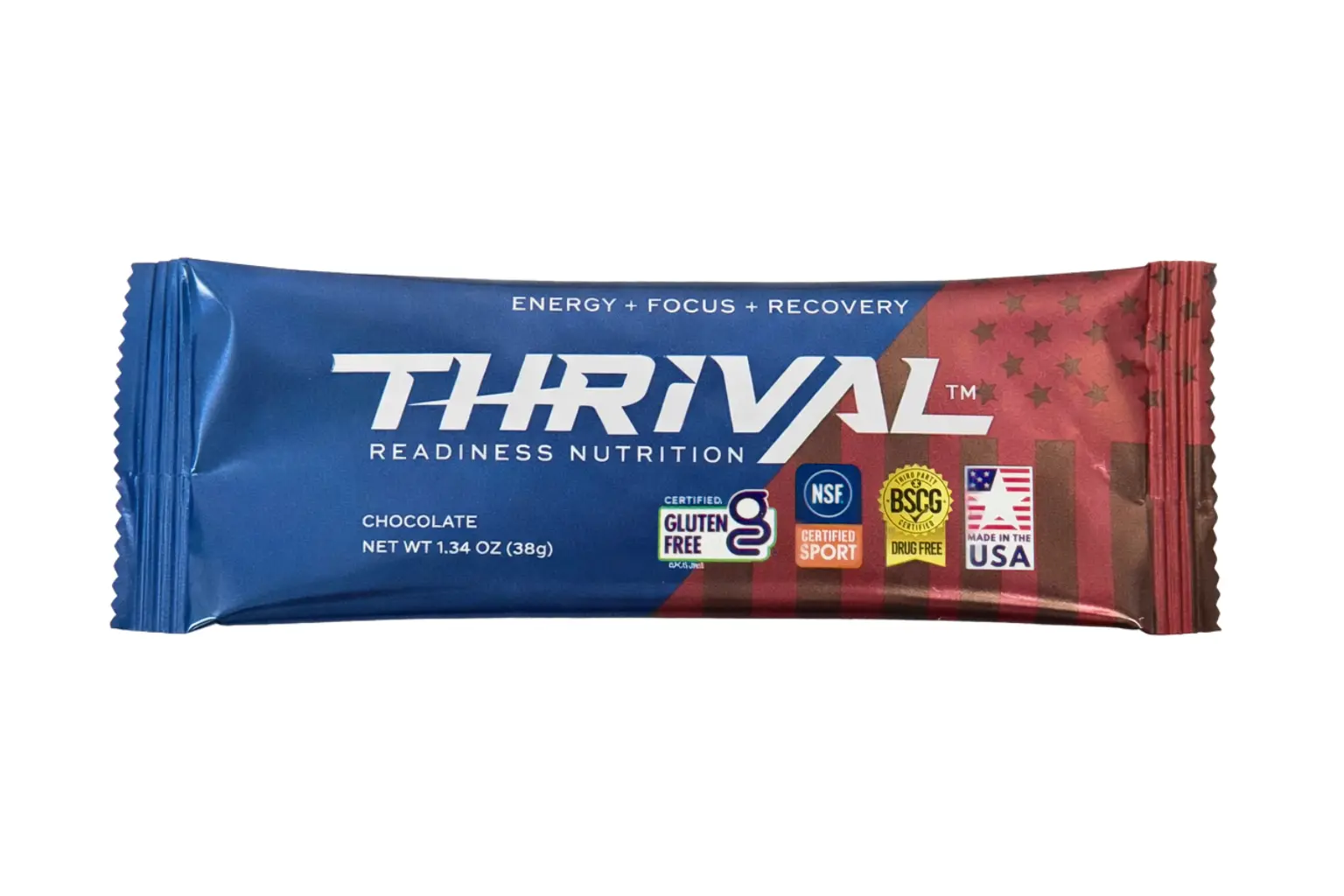
The BSCG Certified Drug Free program screens each product lot against a panel of more than 450 substances, including over 400 compounds present on the WADA Prohibited List. Other testing methodologies verify against smaller panels, typically analyzing 285 to 290 banned drugs. Testing specific product lots is vital, as not all programs monitor every batch produced by a manufacturer. A comprehensive comparison of banned substance certification programs is available for those navigating compliance standards.
Who Regulates Anti-Doping Programs?
The WADA Prohibited List forms the foundation for drug testing programs globally. The International Olympic Committee (IOC) mandates WADA standards at the Olympic Games alongside the International Testing Agency.
Professional sports leagues, collegiate athletics, military branches, and first-responder agencies routinely structure their internal anti-doping protocols based on the WADA framework. Independent entities such as the Court of Arbitration for Sport (CAS) adjudicate international and Olympic doping cases, while domestic and professional sports manage enforcement internally.
Frequently Asked Questions
What is doping in sports?
Doping in sports is the use of prohibited chemical substances or banned physical methods by an athlete to artificially enhance performance. This includes failing a drug test, possessing banned substances, or tampering with doping control samples under the World Anti-Doping Code.
Who regulates doping in sport?
The World Anti-Doping Agency (WADA) establishes global anti-doping standards and manages the Prohibited List. Global sports federations, the International Olympic Committee, and domestic professional leagues adopt these regulations to enforce compliance in their specific jurisdictions.
What substances are commonly used for doping?
Commonly detected doping substances include anabolic steroids, stimulants, peptide hormones like EPO and hGH, beta-2 agonists, and diuretics. Athletes utilize these to build muscle, accelerate recovery, and artificially increase endurance.
Can dietary supplements cause a positive doping test?
Yes. Studies indicate that up to 28 percent of untested dietary supplements may contain hidden prohibited substances. Due to strict liability rules, athletes remain legally responsible for any banned substance identified in their system, regardless of whether it came from a contaminated supplement.
How do athletes reduce the risk of accidental doping from supplements?
Athletes mitigate risk by exclusively using supplements tested by recognized third-party certification programs. Programs such as BSCG Certified Drug Free verify that specific product lots do not contain substances listed on the WADA Prohibited List.
CERTIFIED CLIENTS
Search by Lot, Product, Brand, Category, or Other Keyword.
Certified Drug Free
Certified Quality
Certified GMP
Certified CBD