CBD Gummies: Verify Before You Buy
Sep 24, 2026

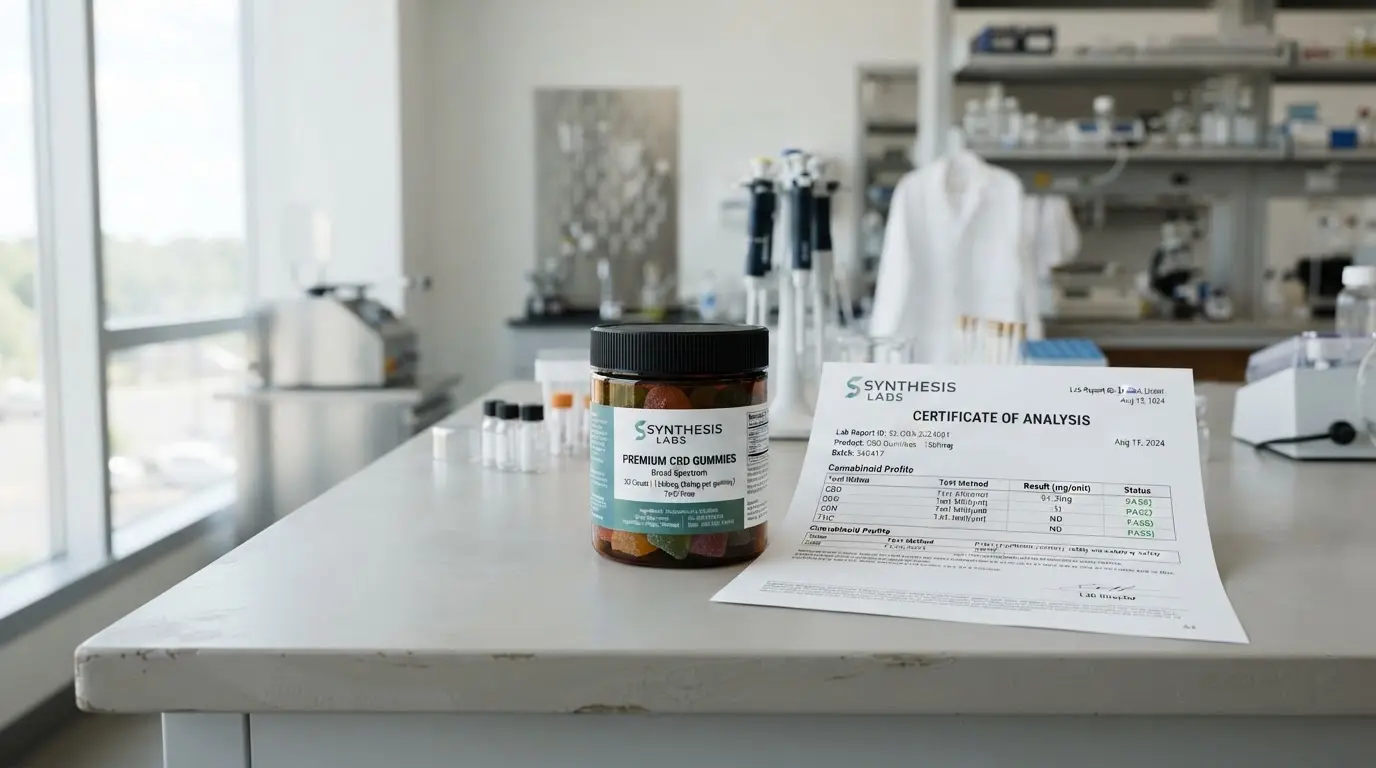
Most people assume a CBD gummy with a QR code on the package has been verified. Scan it, see a lab report, move on. That report may describe a different batch entirely.
I understand why the QR code feels reassuring. Plenty of brands in this category once published nothing at all, and the move toward posting certificates of analysis represents real progress. A link only proves that a document exists, though. Whether that document describes the product in your hand is a separate question, and it is the one worth answering before you buy.
Start with the lot number
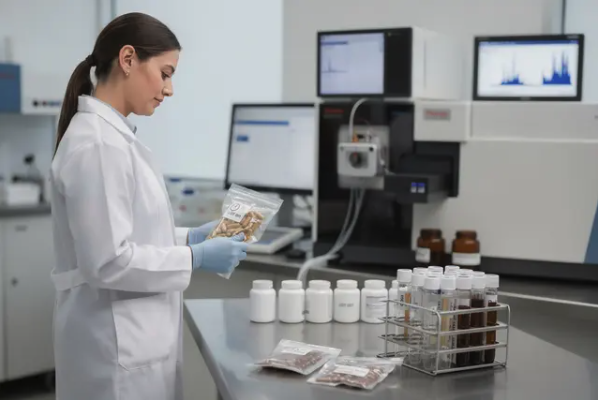
Every gummy product should carry a lot or batch number on the package or listing. That number should appear on the certificate of analysis, along with a matching product name, flavor, package size, and serving count. When those details line up, you have documentation for your product. When they don't, you have documentation for someone else's.
Watch for results labeled as a "representative batch," reports with no lot number, and test dates that look older than the product on the shelf. The strongest documentation is batch specific, current, publicly accessible, and issued by an ISO/IEC 17025 accredited laboratory that identifies its methods, testing dates, and reporting limits.
Next, read past the CBD number
Potency is the figure most brands feature, and it tells you the least about overall quality. A useful report shows the full cannabinoid profile, including delta 9 THC, THCA, delta 8 THC, and the other compounds that support claims like full spectrum, broad spectrum, or isolate.
It should also cover contaminants. Hemp can absorb contaminants from the soil it grows in, and extraction can leave residual solvents behind. A complete panel screens for lead, arsenic, cadmium, mercury, pesticides, solvents, and microbial contaminants including yeast, mold, Salmonella, and E. coli.
Then do the THC math
This is where gummies get tricky. They're consumed in discrete units, and a daily serving often means more than one. The legal hemp threshold of 0.3 percent delta 9 THC by dry weight describes the product's composition. It says nothing about the total THC exposure that builds across two, three, or four gummies a day.
For athletes, service members, first responders, and employees in testing sensitive roles, any detectable THC deserves caution. Most standard CBD certificates of analysis also leave out banned substance screening entirely. A product can be fully legal and still put a career at risk.
Finally, ask how the product was made
Finished product testing tells you about one batch after production. Good Manufacturing Practice governs everything that happened before it. Under 21 CFR Part 111, that means documented procedures, supplier controls, quality review, and corrective action systems.
For gummies, one GMP concern stands out: uniformity. If CBD isn't blended evenly, individual gummies drift away from the labeled dose. Testing can reveal that problem. Process controls are what prevent it.
Be wary of the phrase "GMP compliant" on its own. Any company can write it. Ask who audited the facility, which standard they audited against, and whether the claim covers the manufacturer, the product, or both.
We built BSCG Certified CBD around these gaps. The program combines lot based cannabinoid and contaminant testing, a defined daily limit for THC, screening for more than 450 banned substances, a manufacturing quality control review, and public lot verification so anyone can check the batch they're holding.
No certification eliminates every risk. Sampling plans have limits, and so do analytical methods. I'd rather say that plainly than overpromise.
What certification can do is change the questions a buyer asks.
Is this lab tested? That's an easy question for a brand to answer yes to.
Can I verify this exact batch? Can I see what was tested? Can I confirm it was made under a quality system built for consistency?
The answers to those questions require evidence. If a brand can't produce it, that product isn't worth spending your money on.




CERTIFIED CLIENTS
Search by Lot, Product, Brand, Category, or Other Keyword.
Certified Drug Free
Certified Quality
Certified GMP
Certified CBD