Is the Russian Drug Hypoxen the Next Meldonium?
Dec 15, 2025

Is the Russian Drug Hypoxen the Next Meldonium?
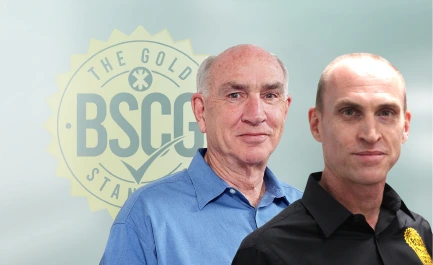
Hypoxen improves oxygen use and recovery in a similar way as meldonium, and it’s now part of WADA’s monitoring program. Peer-reviewed research co-authored by BSCG President Oliver Catlin did a complete review on Hypoxen in 2025 and compared it to other banned PEDs in an effort to highlight the drug and provide additional information to the anti-doping community as they consider where Hypoxen fits in the world of banned substances.
Oxygen efficiency might sound like science fiction, but Hypoxen has been quietly rewriting the rules of recovery for years, especially behind the former Iron Curtain.Originally developed in Russia and widely used by the military, athletes, and astronauts alike, Hypoxen has grabbed global attention for its role as an antihypoxant and metabolic modulator. What does this mean? Well, antihypoxants help you use oxygen better. Metabolic modulators help you convert it into energy more quickly. The substance was created in a lab to help people get used to oxygen deprivation and stop oxidative stress. In sports, these are the kind of traits any endurance athlete trains for hours to achieve. But there is a plot twist. Hypoxen isn’t on WADA’s Prohibited List, at least not yet. Instead, it’s on the Monitoring Program. That’s not a red flag just yet, but it’s definitely a warning flare.
Eastern European Drugs Like Meldonium and Hypoxen On The Rise
Hypoxen didn’t emerge from a supplement trend. It was forged in the performance labs of the former Soviet Union, where athletes, astronauts, and special forces all shared one goal: to adapt the body to stress faster, longer, and more efficiently. Its active compound, sodium polyhydroxyphenylene thiosulfonate, helps reduce oxidative stress, improve mitochondrial function, and delay fatigue by making oxygen work harder. These are the exact physiological benefits that so many banned substances would love to boast about. That’s why Oliver Catlin, President of BSCG, co-authored a peer-reviewed review on Hypoxen’s potential impact on sport and exercise performance. Published in Drug Testing and Analysis, the paper marks one of the first deep dives into how this compound works and how it may enhance performance.
WADA’s Watchlist Isn’t for Decoration
In the same way, meldonium caught dozens of athletes by surprise in 2016; Hypoxen now sits in a similar zone. It’s not banned, but under scrutiny. WADA’s Monitoring Program doesn’t ban substances, but it puts them under the microscope, often acting as a precursor to prohibition. That’s the real estate that Hypoxen currently occupies. The review points out that Hypoxen lowers lactate buildup, improves cellular respiration, and increases aerobic efficiency. In sport, that translates to improved endurance and faster recovery. When ingredients mimick banned substances but haven’t yet been officially been categorized as such, that’s kind of like the ultimate grey area, except that substances on the monitoring program list can be used without penalty.
To be prohibited by WADA a substance needs to meet two of three listing conditions; proven or potential performance enhancement, proven or potential to cause harm, and the last rather fuzzy condition is if it violates the spirit of sport. The Monitoring Program testing statistics determine if a substance is being used enough to violate the spirit of sport. So ironically potential performance enhancement on its own is not enough to get a substance listed, it has to be used by enough athletes for that purpose to violate the spirit of sport.
The 2026 Olympics Are Coming What Drug Will Cause an Uproar This Time
The 2026 Winter Olympics in Milano and Cortina are just around the corner and we are all watching to see if another drug will cause an uproar this time. Trimetazidine sent the world into a twizzle at the 2022 Beijing Olympic Games with the Russian skater Valieva’s positive drug test being announced at the start of the Games. Trimetazidine wasn’t the only drug she was using, she also declared use of Hypoxen. Trimetazidine rose it’s ugly head again before the 2024 Olympics in Paris when an ARD documentary broke the story that 23 Chinese swimmers tested positive for it in 2020 before Tokyo but the cases were never announced. Is Hypoxen still being used now? Probably. What substance will cause an uproar next?
Plenty of Alternatives to Metabolic Modulators Like Meldonium or Hypoxen
When meldonium was prohibited in 2016 it caused more than 500 positive drug tests and became the number one drug reported that year eclipsing the long time top of the positive chart stanozolol. It turns out many athletes had found this Eastern European drug and were using it. Russian sports authorities proudly boasted that they already had alternative substances that worked better. Amazingly, no substances similar to trimetazidine or meldonium have been added to the WADA Prohibited List since these Olympic sized transgressions. So this means that alternative doping agents including Eastern European antihypoxants and metabolic modulators could be used at the upcoming Olympics with no concern, and they likely will be.
This is why Catlin remains focused on Eastern European drugs that may be used as alternative doping agents in his research, to give the world a broader view of the science behind such substances and hopefully help anti-doping regulators catch up to what the dopers are doing. Clean supplements are only part of the battle to keep sport clean, advocacy and research are vital as well.



CERTIFIED CLIENTS
Search by Lot, Product, Brand, Category, or Other Keyword.
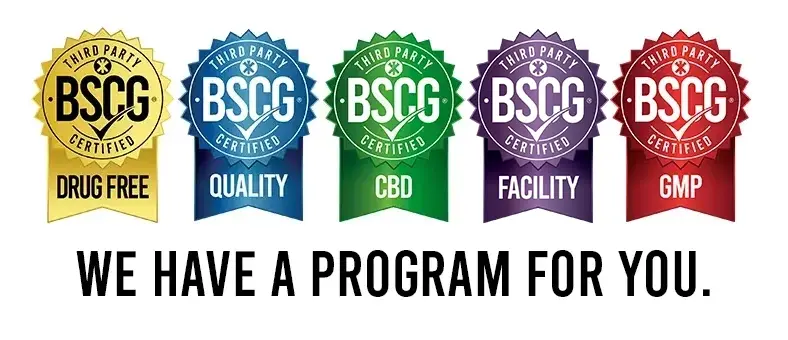
Certified Drug Free
Certified Quality
Certified GMP
Certified CBD