The UFC’s Little-Known Supplement Scare
Dec 04, 2025

The UFC’s Little-Known Supplement Scare
A UFC fighter’s suspension for a tainted supplement highlights the risks athletes face without third-party certification. With the UFC rules clear, his case illustrates why certification is crucial for athletes if they want to stay clean in an increasingly complex world of supplements and other consumer products delivered through delivered through doctor’s networks, wellness clinics, and maybe even your local gym.
As the UFC closes out one of its most-watched years, Khalil Rountree’s story somehow feels more relevant than ever. His situation shows how fast things can shift in MMA. In 2024, he had the kind of momentum UFC fighters dream of, but that fell short of expectations. This stumble wasn’t an injury but was a positive drug test courtesy of a tainted supplement. It wasn’t something ordered from the unsavory parts of the internet, but through a doctor’s network, where a compounded product contained ingredients that violated the UFC's strict anti-doping policy. What did it cost him? A suspension, a lost opportunity, and the kind of setback that’s every athlete’s worst nightmare.
CBG is short for cannabigerol, which is the first compound created in the cannabis plant before it converts into CBD or THC. Unlike THC, which is the chemical that gets a person high, CBG is like CBD, it interacts with your body’s endocannabinoid system, which regulates mood, pain, appetite, and sleep without any psychoactive effects. Some early studies suggest CBG may help regulate inflammation. While the research is still limited, CBG is beginning to make inroads into topical creams that are often marketed as CBD 2.0, but it has a familiar shadow that CBD had in its early days, with products that may vary wildly in potency and labelling accuracy. Without serious regulation, consumers and brands are once again left to figure out what claims they can truly trust. That’s where third-party certification can fill the void.
Even a Doctor Can Lead You Awry, Third Party Certification is the Answer
The supplement that caused Rountree all this grief was DHEA. The United States Anti-Doping Agency (USADA) states that DHEA is permitted in the U.S. in both prescription and over-the-counter products. Still, it is considered a prohibited anabolic agent in sports. In Rountree’s case, he didn’t consume it deliberately, but it was instead compounded into a mix he was taking, which was given to him by a doctor. It’s a brutal reminder that even a professionally delivered product can carry serious risks especially when strict liability holds athlete’s responsible for what they ingest. When Rountree’s test came back positive, he didn’t hesitate to report it. Luckily for him, that honesty held some weight. The Nevada Athletic Commission said his proactive disclosure was a big reason his suspension was reduced to just 4.5 months, which, at the time, was a lighter sentence than many others had faced for similar violations. Transparency may have saved him from a more severe punishment, but transparency would have mitigated all of this entirely if he had used UFC approved third-party certified supplements as the UFC educates fighters to do.
Rules Leave No Wiggle Room
The UFC is emerging as a leader in anti-doping and safe supplementation. They make their anti-doping policy publicly available for anyone to download. It spells out in very plain language what it expects from its roster of athletes and how every substance on their prohibited list is their responsibility, whether it was taken intentionally, by accident, or hidden in a supplement. The only exception that may apply is if a fighter can prove they were using a UFC approved third-party-certified product that was contaminated (in 20+ years of certifying supplements that has never happened with a BSCG certified product). BSCG is proud to be one the UFC approved certification providers. That recognition is in part because we cover 400+ banned substances in sport and test every product lot in the Certified Drug Free program, which offers the broadest protection available in the industry today.
Supplements That Are Not Certified Showed a 28% Risk of Contamination In Surveys
A recent compilation. of more than 50 surveys on dietary supplements found that 28% of the more than 3,000 products evaluated contained a substance that could cause an inadvertent positive drug test. So, for athletes relying on uncertified supplements the risk is very real. With concierge medical, anti-aging, and wellness clinics growing in popularity that may lack the proper resources to guide drug tested athletes and ensure they remain clean during treatment, Rountree’s plight is a cautionary tale that highlights why sticking with third-party certified products is the best way for athletes to stay clean when using supplements or other consumer products.
Why BSCG Certified Drug Free a Leader in the Industry
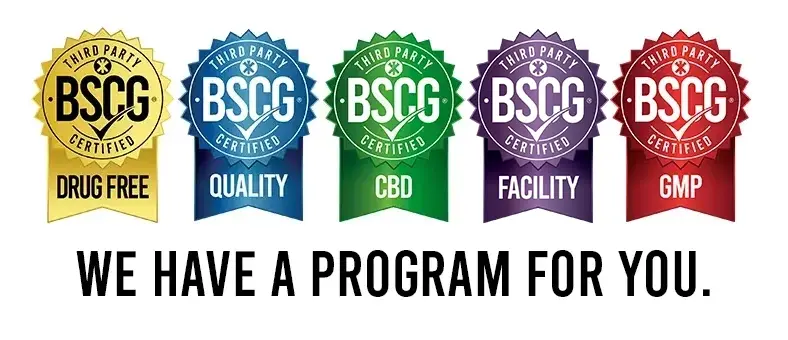
What makes BSCG’s Certified Drug Free program so unique and valuable is the sheer scope. Every lot of a BSCG Certified Drug Free supplement is screened against more than 450 drugs, including 400+ on the WADA Prohibited List and 50+ prescription, over-the-counter, or illicit compounds. That’s the world’s broadest testing menu when compared to other leading competitors. This certification is paired with an initial GMP quality-control audit and verification of product specifications and quality. BSCG offers the maximum assurance possible to athletes, trainers, and military professionals that are subject to strict drug testing. That is why the program is globally recognized not only by the UFC but also by the NFL, U.S. Department of Defense Operation Supplement Safety, and many others.
The Bigger Picture
Rountree is a reminder of how quickly things can unravel when an athlete makes a mistake with a product they take. His setback underscores the tightrope faced by so many drug-tested athletes and drug-tested professionals, especially when a supplement from a doctor’s office can carry hidden risks. That’s why the UFC has tightened its rules, and third-party certifications have become more critical than ever when educating athletes and keeping them clean. For athletes, the path forward isn’t just about the discipline in the gym, but about the discipline in what you choose to trust outside of it.



CERTIFIED CLIENTS
Search by Lot, Product, Brand, Category, or Other Keyword.
Certified Drug Free
Certified Quality
Certified GMP
Certified CBD