Amino Acid Energy Drink: Can it replace your Red Bull?
Feb 06, 2026
Energy drinks provide a rapid increase in alertness, primarily through caffeine and sugar, but commonly result in a subsequent energy crash, shakiness, and other side effects. Alternative products, such as amino acid energy drinks, use amino acids in place of large quantities of caffeine and sugar to support cellular energy production and reduce fatigue. This approach aims to deliver sustained energy without the acute side effects associated with traditional energy drinks.
Amino acids function as the building blocks of proteins and are involved in muscle repair, brain function, and energy metabolism. While questions persist about whether amino acid-based drinks can fully substitute for high-caffeine energy drinks, effectiveness depends on individual needs and responses to ingredients.
Understanding Amino Acids
The human body utilizes 20 amino acids to synthesize proteins. Nine of these are essential amino acids; the body cannot produce these and must obtain them through diet or supplementation. The essential amino acids are histidine, isoleucine, leucine, lysine, methionine, phenylalanine, threonine, tryptophan, and valine. Three essential amino acids—leucine, isoleucine, and valine—are referred to as branched-chain amino acids (BCAAs). BCAAs account for approximately 40% of total amino acid requirements and play key roles in protein synthesis and metabolism.
Amino acids contribute to energy production, particularly during and after physical exercise. BCAAs are commonly used to support concentration and manage fatigue for both athletes and individuals seeking general well-being. Research indicates that pre- and post-exercise BCAA supplementation reduces muscle damage and promotes muscle-protein synthesis.
Non-essential amino acids, which the body can produce, also play roles in energy metabolism, collagen formation, and detoxification. Under physical or physiological stress, or during periods of rapid growth or illness, demands for both essential and non-essential amino acids may exceed production or intake levels.
The Prevalence of Traditional Energy Drinks
Traditional energy drinks usually deliver 100–200 mg of caffeine per serving and often have high sugar concentrations, producing rapid increases in alertness and blood sugar concentrations. These products offer easy access and standardized flavor profiles.
The major health concerns with traditional energy drinks include excess caffeine—which can impair athletic performance and contribute to anxiety and jitteriness—and significant added sugar content, sometimes reaching 12 teaspoons per serving (about 200 calories). This intake can quickly exceed daily dietary sugar recommendations.
The combination of caffeine and sugar in these beverages causes a rapid increase in energy, followed by a notable decline ("crash"), resulting in fatigue, irritability, and subsequent cravings. Continued high intake fosters caffeine tolerance and dependency.
Documented health risks extend beyond acute fatigue. Excessive consumption may elevate heart rate and blood pressure, contributing to arrhythmias, other cardiac issues, and psychiatric effects such as anxiety.
NCAA drug testing regulations impose a caffeine threshold of 15 micrograms per milliliter in urine specimens. High caffeine intake from energy drinks can result in positive doping tests for student athletes. Monitoring total caffeine intake is essential for NCAA athlete compliance.
Analysis of the Amino Acid Energy Drink Model
Amino acid energy drinks utilize amino acids, often BCAAs, to support energy production at the cellular level. This approach intends to provide sustained energy without abrupt fluctuations or stimulant side effects. Certain formulations may contain limited caffeine.
These products are not exclusive to athletes. BCAAs are used widely to manage fatigue and enhance focus among health-conscious consumers. The intended effect is a reliable support for the body's metabolism rather than temporary stimulation.
Peer-reviewed studies on the efficacy of amino acid energy drinks report varied results. Drinks with combinations of caffeine, taurine, creatine, and BCAAs have demonstrated modest improvements in dynamic strength exercises in controlled research settings.
Unlike traditional energy drinks, which directly stimulate the central nervous system, amino acid energy drinks support energy generation via metabolic processes. The result is a more gradual and sustained energy supply.
Benefits and Risks Associated with Amino Acid Supplementation
Amino acid supplementation supports energy production, concentration, and muscle recovery, primarily during and after periods of exercise. BCAA supplementation has been shown to induce anabolic hormone synthesis, support muscle repair, and reduce perceived muscle soreness after repetitive exercises.
Potential side effects of amino acid supplementation include nausea, vomiting, bloating, cramps, diarrhea, dehydration, headaches, and pain. Long-term high-dose use may contribute to atherosclerosis and increase the risk for cardiovascular events.
Appropriate dosages are critical. BCAA supplementation up to 12 grams per day has been shown to be safe for up to two years, though higher doses may induce fatigue and impair coordination; exceeding tolerable upper intake levels elevates risk of adverse effects.
Product quality concerns persist due to inconsistent manufacturing standards. Research has documented the presence of stimulants, pro-hormones, or anabolic agents not disclosed on product labels in some supplements. A study found that 28% of more than 3,000 products contained hidden contaminants with possible implications for doping or safety.
Diet and training form the basis of health and performance. Most individuals can meet nutritional requirements with a varied, balanced diet. Supplementation is intended to address specific deficiencies, not to replace comprehensive dietary practices.
Comparing Amino Acid Energy Drinks and Traditional Beverages
Cost and convenience influence consumer choice between amino acid energy drinks and traditional energy drinks. Traditional products are less expensive and widely available; amino acid formulations generally carry higher costs and have more limited distribution, often requiring purchase from specialty outlets or online retailers.
Traditional energy drinks are typically consumed directly from the container, whereas some amino acid formulations require mixing or come in ready-to-drink packages. Flavor profiles differ; traditional energy drinks tend to have consistent, familiar flavors, and include a lot of sugar typically, while amino acid drinks featuring less sugar may be more attractive to those looking for a cleaner profile.
Nutritional needs should guide product selection. Individuals seeking a rapid alertness increase, tolerating caffeine without adverse effects, may find traditional energy drinks practical. Those experiencing abrupt energy decline, stimulant intolerance, or high sugar avoidance may consider amino acid-based products, which offer more consistent energy support. Drug-tested athletes must assess caffeine and supplement quality with added scrutiny.
Timing of consumption is important. Moderate caffeine intake (3–6 mg/kg body mass) has been documented to improve exercise performance, while higher intake (6–9 mg/kg) can produce overstimulation and negative effects. Some amino acid drinks combine these approaches by incorporating moderate caffeine content.
Individuals respond differently to caffeine, sugar, and amino acids. Comparative or synergistic efficacy depends on the intended application, such as extended work periods, athletic events, or post-exercise recovery.
Key Factors in Supplement Quality and Safety
Verification of product quality is essential for all dietary supplements, including amino acid energy drinks. The FDA tests a limited proportion of products and does not regulate all supplements before market release.
Third-party certification offers a method for verifying supplement quality and contaminant status. Selecting supplements with certification from a recognized third-party organization ensures comprehensive review and analytical testing for prohibited substances.
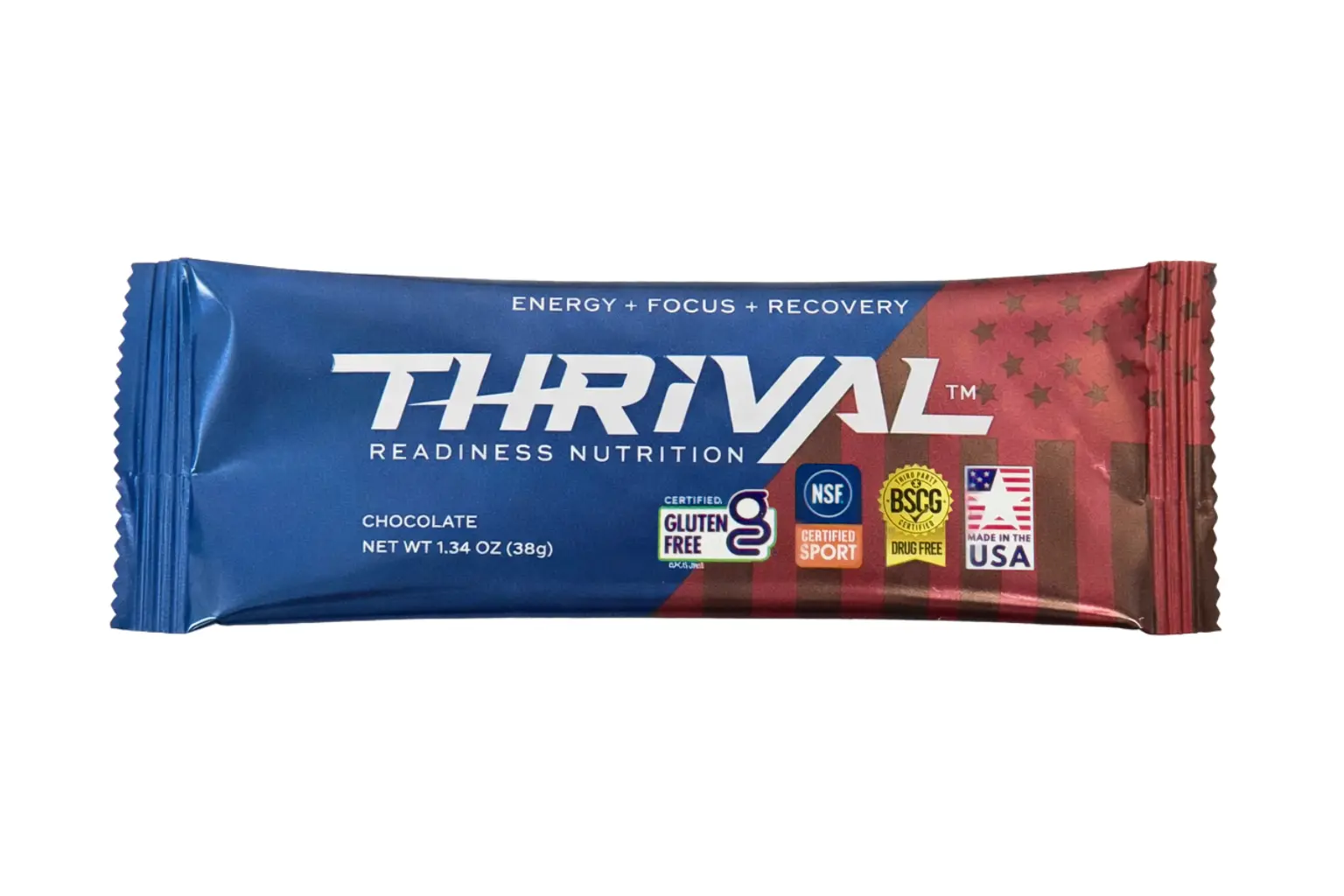
Certification seals on product labeling indicate successful analytical review of product contents and manufacturing processes. Such labels are critical for drug-tested athletes, military personnel, and first responders with occupational safety or compliance requirements.
Purchasers should avoid ingredients flagged on the BSCG Dietary Supplement Ingredient Advisory List. Many synthetic stimulants and pharmaceutical analogs found in unregulated supplements lack legal status, presenting risk for athletes and professionals subject to routine testing.
Brands and manufacturers can utilize third-party supplement certification services such as BSCG to distinguish product that have minimized the risk of banned substance contamination through testing and those that may put athletes at risk. In the Certified Drug Free program a core requirement is testing every product lot for more than 450 banned substances in sport and military drug testing programs.
Third-Party Certified Amino Acid Supplements for Athletes
Some amino acid product brands go above and beyond industry standards to certify their products for competitive athletes, military service members, first responders or others subject to strict drug testing. The BSCG Certified Drug Free program is an international leader in banned substance certification and requires every lot of a participating product to be tested for more more than 450 drugs. For consumers looking to verify amino acids are free of banned substances can consider the following options.
One Sol Hydration offers plant based BCAAs that are formulated along with electrolytes. The product comes in a variety of flavors from gummy bear, cucumber lime, and blue raspberry. Another Certified Drug Free amino acid option from Japan is Haleo Flow. Flow has 3 amino acids and adds Lactium, a protein from milk, to the formula. TRU Hydration Complete meanwhile is a vegan option that contains zero calories and is only made up of amino acids. Hydration Complete offers a variety of flavors including guava and tropical passion and is available from Amazon.
Frequently Asked Questions
Is daily use of amino acid supplements supported by evidence?
Scientific evidence supports daily BCAA supplementation in doses up to 12 grams for a period of up to two years for most individuals. The optimal strategy prioritizes obtaining the majority of amino acids from a balanced diet, reserving supplementation for specific shortfalls.
Does an amino acid energy drink deliver the same stimulant effect as coffee?
Amino acids support energy production at the metabolic level and do not elicit central nervous system stimulation comparable to caffeine. Amino acid drinks containing moderate caffeine content may provide a balanced effect, with energy described as more sustained and less prone to inducing nervousness.
What side effects are associated with amino acid supplementation?
Generally amino acids are tolerated very well. There are some documented side effects that include gastrointestinal issues (nausea, bloating, cramps, diarrhea), dehydration, headaches, and possibly cardiovascular consequences in the long term. Users should not exceed recommended dose guidelines and should consult a qualified healthcare provider before considering use as is the case with any dietary supplement.
How can consumers confirm the quality of an amino acid energy drink?
Quality is best assured by selecting products certified by reputable third-party certification organizations. Consumers should avoid formulations containing flagged or unlisted ingredients, and refrain from relying on unsupported product claims. Athletes, military service members, or others subject to strict drug testing should consider products certified for banned substances from groups like BSCG, Informed, or NSF.
Can amino acids substitute for pre-workout supplements?
Amino acids are integral to many pre-workout supplement formulations and contribute to muscle support and recovery. On their own amino acids can be a beneficial pre-workout, but some pre-workout supplements contain additional functional ingredients, such as nitric oxide boosters for circulatory effects that may attract certain consumers.
Should athletes eliminate traditional energy drinks from their diet?
Research indicates that moderate caffeine consumption can enhance athletic performance, but high caffeine intakes increase risk for adverse effects and may result in regulatory noncompliance for some athletes. The high sugar intake typically associated with traditional energy drinks can be counter productive for elite professionals and athletes. Monitoring total intake and maintaining moderation are advised.
Guidance on Selecting Energy Support Products
A amino acid energy drink provides a supplemental avenue to support the body's intrinsic energy production pathways and mitigate fatigue, especially for those sensitive to caffeine and sugar. The energy provided may be more gradual and continuous compared to the immediate effect of traditional energy drinks.
Traditional energy drinks offer rapid, predictable stimulant and sugar effects but pose risks relating to metabolic spikes, subsequent fatigue, sugar load, and, with chronic use, cardiovascular and mental health. Regulatory constraints regarding caffeine intake are relevant, particularly for NCAA athletes.
Product selection should align with specific goals, such as energy stability throughout the day, acute performance enhancement, or recovery support. Some individuals discover benefits from a balanced approach, reserving traditional energy drinks for infrequent use and relying principally on other sources like amino acids for daily support.
Quality control is critical in supplement selection. Inconsistent manufacturing and hidden contaminants persist within the supplement industry. Third-party certification programs exist to verify supplement integrity, particularly for populations for whom exposure to hidden banned substances that can cause inadvertent positive drug tests is a significant concern.
Consumers and professionals should make informed decisions based on documented needs and certified product safety, without relying on marketing or unsubstantiated claims. All nutritional supplements should be considered adjuncts to a foundation of proper nutrition, sleep, and evidence-based training practices.
CERTIFIED CLIENTS
Search by Lot, Product, Brand, Category, or Other Keyword.
Certified Drug Free
Certified Quality
Certified GMP
Certified CBD