Banned Substances at the Winter Olympics: How Anti-Doping Rules Work
Feb 01, 2026
Doping scandals have affected the integrity and safety of Winter Olympic competition for decades. Incidents have ranged from state-sponsored programs to individual violations involving cardiac medications like trimetazidine. The Milano Cortina 2026 Winter Games will follow the same strict anti-doping protocols that have regulated Olympic sport since drug testing began at the 1968 Grenoble Winter Olympic Games, but over the years the scope and scale of the prohibited list has expanded significantly. Comprehensive knowledge of banned substances at the Winter Olympics clarifies system functions, the rationale for drug restrictions, and the requirements athletes must meet for compliant participation.
Banned Substances at the Winter Olympics
The World Anti-Doping Code, enforced by the International Olympic Committee (IOC), defines banned substances and methods at the Winter Olympics. Restrictions cover substances that may enhance performance, create health risks, or compromise fair competition. The regulations apply to all Olympic athletes and address a wide array of compounds and methods.
Organizations Governing Banned Substances
The World Anti-Doping Agency (WADA) publishes the Prohibited List, an internationally recognized standard specifying banned substances and methods. WADA updates the list annually based on scientific input and stakeholder consultation throughout the Olympic movement. The 2026 List became effective January 1, 2026, so it will be in force for the Milano Cortina Winter Games.
The IOC enforces WADA's regulations during the Olympics and assigns operational responsibility for doping control to the International Testing Agency. Each winter sport's international federation also enforces the Prohibited List for their respective disciplines throughout and outside the competition calendar.
The principle of strict liability applies. Athletes carry full responsibility for any prohibited substance detected in their systems, regardless of intent or method of ingestion. Strict liability means inadvertent positives are sanctioned comparably to intentional doping in many contexts, with sanction relief possible if an athlete can prove it was an accident.
Substances or methods may be added to the Prohibited List if they meet at least two of these three criteria: proven or potential performance enhancement, actual or potential health risk, or violation of the spirit of sport. Annual reviews align the list with current scientific evidence and emerging substances or methods with any new additions reviewed by a committee and formally approved by WADA.
Classes of Banned Substances
The WADA Prohibited List categorizes banned substances according to pharmacological effects and mechanisms, applying consistently across Winter Olympic sports.
Anabolic agents, such as testosterone and synthetic derivatives, are prohibited due to their muscle-building and recovery effects. The 2026 list specifically names testosterone esters, including testosterone cypionate and testosterone propionate, for clarity. Anabolic steroids have both anabolic (muscle-building) and androgenic (male trait-promoting) actions.
Peptide hormones and growth factors are banned for their role in promoting tissue growth or increasing oxygen-carrying capacity. This category includes erythropoietin (EPO), insulin-like growth factor 1 (IGF-1), and human growth hormone. Erythropoietin supports increased red blood cell production and improved oxygen delivery to muscles.
Hormone and metabolic modulators adjust the body’s hormone responses or metabolic activity, including antiestrogens, selective androgen receptor modulators, and regulators such as AICAR. These substances can affect physiological processes that impact performance. The 2026 WADA Prohibited List added two substances to this category; the aromatase inhibitorand natural testosterone booster 2-Phenylbenzo[h]chromen-4-one (ɑ-naphthoflavone; 7,8-benzoflavone) and the metabolic modulator BAM15, which means they could cause positive drug tests as soon as the Winter Olympic in Milan.
Stimulants are prohibited for their effects on alertness and fatigue reduction. The 2026 update added flmodafinil and fladrafinil as non-specified stimulants. The category spans traditional compounds like amphetamines as well as newer analogues like DMAA, DMBA or DMHA.
Narcotics such as morphine, fentanyl, and tramadol are banned in competition for their ability to mask pain, which can result in athletes exceeding safe physical limits.
Cannabinoids, like THC and other natural and synthetic variants, are prohibited during competition periods only. CBD is a specific exception and is not prohibited.
Glucocorticoids, anti-inflammatory agents, are prohibited when administered by certain routes in competition. The 2026 list offers updated guidance on washout periods for these substances.
Prohibited methods include blood and gene manipulation as well as specified forms of chemical or physical sample tampering. The 2026 list introduced the non-diagnostic use of carbon monoxide as a banned method, with diagnostic applications permitted.
In-Competition and Out-of-Competition Prohibitions
The WADA Prohibited List differentiates between substances banned at all times and those restricted only during designated competition periods. This structure is informed by drug risk profiles and the duration substances remain detectable.
Anabolic agents, peptide hormones and growth factors, hormone modulators, and most banned methods remain prohibited at all times. Testing can occur year-round, and any positive result leads to sanctions irrespective of timing.
Stimulants, narcotics, cannabinoids, and glucocorticoids are prohibited only in competition, which extends from the start of the Olympic Village opening through to the Closing Ceremony. Testing within this window includes these additional categories. Athletes must plan appropriately for washout periods prior to competition for drugs that are only banned in competition.
The WADA Monitoring Program tracks certain substances not currently banned but monitored for misuse trends. For 2026, monitored substances include ecdysterone, hypoxen, and markers for semaglutide and tirzepatide, applicable both in and out of competition. Bupropion, caffeine, nicotine, phenylephrine, and specific narcotics are also monitored during competition periods.
About half of the list has a zero tolerance policy and any amount found qualifies as a positive, for the rest there are defined decision limits and reporting thresholds, with detection windows that vary by compound, route of administration, and athlete metabolism.
Supplements and the Risk of Accidental Doping
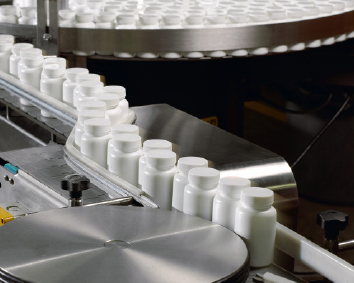
Dietary supplements constitute a significant source of inadvertent anti-doping rule violations. Most supplements are not subject to robust pre-market approval or mandatory quality controls, leading to frequent contamination with banned substances.
Data from published analyses indicate that 28 percent of 3,132 evaluated products had the potential to cause unintended positive drug tests. Estimates suggest that 10 to 50 percent of positive findings in anti-doping tests result from accidental contamination. Contaminants may appear due to manufacturing cross-contamination, undeclared raw ingredients, or deliberate adulteration.
Strict liability remains in effect for supplements. Athletes are sanctioned for any banned substance regardless of intent or supplier legal status. Many athlete-targeted supplements include ingredients that fall within the Prohibited List, such as stimulants and prohormones.
Third-party certification programs evaluate finished supplement products for banned substances and provide independent testing. These programs use analytical methods to screen production lots for prohibited substances. For example, BSCG one of the leaders in third-party certification for banned substances tests for a comprehensive panel of over 450 drugs, including 400 WADA Prohibited Substances, as well as prescription, over-the-counter, and illicit drugs.
Certification mitigates but does not eliminate doping risk. No program can guarantee absolute absence of all contaminants. Athletes should choose supplements that have undergone lot-specific testing by recognized bodies and assume responsibility for any anti-doping rule violation resulting from supplement use.
Annual Updates to the Prohibited List
The WADA Prohibited List is reviewed and updated every year through a structured process. WADA publishes each updated list three months prior to its effective date, allowing time for stakeholders to review changes. The 2026 List received approval from the WADA Executive Committee on September 11, 2025.
Revisions consist of clarifications regarding previously banned substances and methods, and additions of new prohibitions informed by scientific and regulatory evidence. In 2026, clarifications included explicit naming of testosterone esters, while new prohibitions addressed non-diagnostic carbon monoxide use and added flmodafinil and fladrafinil as stimulants. Of note in 2026 are two new additions to category S4 Hormone and Metabolic Modulators; 2-Phenylbenzo[h]chromen-4-one (ɑ-naphthoflavone; 7,8-benzoflavone) and BAM15, both of which have become trendy in supplements or research chemicals.
The Monitoring Program identifies potential future risks by tracking emerging usage patterns before substances are fully prohibited. WADA uses test data to assess misuse and may transition monitored substances onto the Prohibited List if warranted by evidence.
Athletes and support personnel are required to review the Prohibited List annually to remain fully informed of relevant changes. Compliance may require adjusting previously permitted substances and adapting to evolving therapeutic exemption criteria. Newly developed detection methods amass greater sensitivity, permitting retrospective analysis of samples; for example, retrospective testing with improved assays for steroid metabolites revealed a number of undisclosed positives from the 2012 London Games.
Requirements for Compliance
Maintaining anti-doping compliance at the Winter Olympics requires continuous monitoring of medications, supplements, and nutrition to confirm absence of prohibited substances. Any medical intervention involving a banned substance or method necessitates formal Therapeutic Use Exemption approval in advance.
Education and guidance are critical to compliance. Athletes should consult medical professionals familiar with anti-doping rules for prescriptions or treatments. National and international sporting federations offer information resources and assistance on substance regulations and testing protocols.
Supplement contamination risk is reduced by utilizing third-party testing and transparent certification. The International Testing Agency points to third-party certification as a way for athletes to reduce the risk of positive drug tests from supplements with the BSCG Certified Drug Free program noted. BSCG applies Olympic drug testing standards within dietary supplement certification using WADA technical documents as a guide. BSCG tests each batch and publicly discloses testing menus increasing transparency and providing assurance to Winter Olympic athletes and others.
From 1968 through 2022, annual Winter Olympics testing increased from 86 to 3,166, leading to 52 doping cases and 14 medals revoked. Cross-country skiing has historically demonstrated a higher incidence of confirmed cases. Violations can result in disqualification, loss of medals, ineligibility, and reputational impacts that may affect careers and endorsements.
FAQ
What substances are banned at the Winter Olympics?
The WADA Prohibited List includes anabolic agents, peptide hormones, growth factors, hormone modulators, stimulants, narcotics, cannabinoids, glucocorticoids, and banned methods such as blood manipulation. The list is updated yearly and is enforceable across all Olympic sports.
Who decides which substances are banned?
The World Anti-Doping Agency establishes and administers the Prohibited List. The International Olympic Committee enforces these policies at the Games, and individual international federations regulate compliance within their respective sports year-round.
Can athletes test positive unintentionally?
Research supports the likelihood of unintentional positive tests, with 28 percent of evaluated dietary supplements capable of producing inadvertent positives. The principle of strict liability means that athletes are accountable for any banned substance detected, regardless of intent.
Does the banned substances list change every year?
WADA revises the Prohibited List annually, with changes effective January 1 of the new year. Modifications may clarify existing restrictions or introduce new banned substances and methods based on new findings.
Are cannabinoids banned at the Winter Olympics?
During the Winter Olympics, cannabinoids, including THC, are prohibited only during competition. CBD is an excpetion and is not banned. Cannabinoids are not part of out-of-competition testing, but athletes are subject to in-competition testing from the Olympic Village's opening through the Games' conclusion. The THC limit in urine is 150 ng/ml.
What are the consequences of an anti-doping rule violation?
Violations result in disqualification of results, revocation of medals and prizes, periods of ineligibility, and public reporting of sanctions. In team competitions, multiple violations may lead to team-wide disqualification. At the Winter Olympics an athlete is sent home immediately if a positive drug test is reported during the Games.
CERTIFIED CLIENTS
Search by Lot, Product, Brand, Category, or Other Keyword.
Certified Drug Free
Certified Quality
Certified GMP
Certified CBD