Creatine Infused Gummies: How They Work, Benefits, and Safety Considerations and Certification
Jan 06, 2026
Creatine is a compound naturally present in the body that supports high-intensity, short-duration exercise by helping rapidly regenerate adenosine triphosphate (ATP). Creatine is available in supplement forms such as powders, capsules, and gummies. This article presents mechanistic details, evidence-based benefits, supplement formats, and safety information, including risks associated with new delivery forms such as gummies.
Creatine supplementation has a documented record of use among athletes and fitness-oriented individuals seeking to enhance strength and power outcomes. The range of supplement formats has grown, introducing additional considerations regarding quality and efficacy. Understanding these formats and associated quality factors enables more informed supplementation decisions. As newer creatine formats enter the market, including gummies, understanding differences in formulation, dosing accuracy, and quality control becomes increasingly important.
What Is Creatine and How Does It Work?
Creatine supports cellular energy production, particularly in tissue with high energy requirements, including muscle, brain, and heart. Approximately 95% of creatine in the body is stored in skeletal muscle, both as free creatine and phosphocreatine.
Creatine operates through the phosphocreatine system. During physically demanding activity, the enzyme creatine kinase causes phosphocreatine to donate its phosphate group to adenosine diphosphate (ADP), regenerating ATP for rapid energy replenishment.
ATP requirements during intense exercise can increase by over 1,000 times compared to rest. Supplemental creatine elevates skeletal muscle phosphocreatine stores by around 10-40%, which expands energy reserves and supports increased work capacity before fatigue occurs.
The body synthesizes creatine in the liver, kidneys, and pancreas. Dietary intake through animal muscle, including red meat and fish, provides additional creatine. Pork contains about 2.3 grams per pound raw, and salmon delivers up to 0.5 grams per 4-ounce serving.
Documented Benefits of Creatine Supplementation
Research confirms that creatine supplementation improves certain physical performance outcomes, specifically for short bursts of high-intensity exercise. Strength and power training receive the highest level of support from existing evidence.
Short-term intake of creatine has been reported to enhance maximal power and strength by 5-15%, increases in work performed during maximal effort sets by 5-15%, and work output during repeated sprint activity by 5-15%.
Systematic review data indicate that combining creatine supplementation with resistance training promotes larger increases in strength, fat-free mass, and high-intensity performance. Meta-analysis reveals average bench press strength increases ranging from 16 to 43% when creatine accompanies resistance training.
Creatine’s mechanisms in muscle growth and training adaptation include increased energy availability, hormonal and IGF-1 pathway stimulation, activation of the mTOR pathway, and enhanced cellular hydration. These mechanisms collectively support training-induced adaptation when creatine is taken alongside resistance protocols.
Emerging research suggests potential benefits of creatine for cognitive function and reduced fatigue, especially in populations experiencing sleep deprivation, vegetarian diets, or advanced age. At present, the most consistent evidence concerns improvements in strength and power performance. These benefits are most consistently observed in resistance training and repeated high-intensity exercise contexts, and outcomes may vary based on training status, dosage, and individual response.
Common Forms of Creatine Supplements
Multiple creatine delivery forms are available, each with specific production, dosing, and convenience features.
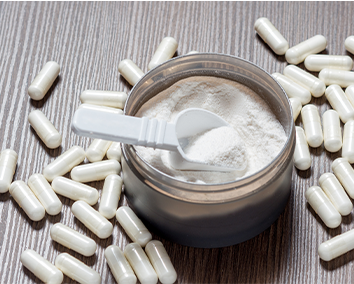
Creatine monohydrate is the form with the greatest scientific support for efficacy, safety, and cost-effectiveness. The powder format enables intake through mixing with water or other beverages and serves as the reference used in the majority of clinical research.
Creatine is also supplied in capsules or tablets, which hold measured amounts of creatine monohydrate with additional binding agents. While capsules offer consistent dosing and portability, achieving optimal dosages may require several units per serving.
Ready-to-drink supplements present pre-mixed liquids containing creatine and additional ingredients. These facilitate fast consumption, though they generally incur higher costs per serving and have reduced shelf stability compared to powders.
Creatine-infused gummies represent a recent innovation. Gummies incorporate creatine into a gel-based matrix for consumption in chewable form, targeting users who prefer alternatives to powders or capsules.
What Are Creatine-Infused Gummies?
Creatine-infused gummies are chewable ingestibles intended to provide a defined dose of creatine monohydrate within a gelatin or pectin matrix. Manufacturers offer these as a way to avoid powder mixing or capsule swallowing, and they are available in various flavors.
Compared to powders and capsules, gummy formulations introduce additional manufacturing, stability, and dosing-uniformity considerations that require careful quality control. Key steps include preparing a heat-stabilized gummy base, integrating creatine monohydrate using specialized processes, shaping and cooling, and conducting quality control tests for potency, purity, and uniformity.
Gummy supplement manufacturers emphasize convenience and palatability. This form eliminates measuring or mixing steps, with the familiar texture of gummies considered beneficial for intake adherence by some users.
Typical gummies deliver between 1 and 1.5 grams of creatine, necessitating consumption of multiple units to meet the standard 3 to 5-gram daily intake associated with performance benefits. Powders generally achieve this dose with one serving, and capsules with three to five pills.
Formulation complexity distinguishes gummies from other forms. Gummies must include sugars or sugar substitutes, gelling agents such as gelatin or pectin, flavoring compounds, coloring, and stabilizers. These added materials take up space and drive up ingredient and cost requirements relative to active creatine content.
Creatine Gummies vs Powder and Capsules
Differences between creatine gummies, powders, and capsules primarily relate to dosing precision, formulation stability, added ingredients, and manufacturing complexity rather than creatine’s underlying biological effects.
Dosage precision differs by format. Powders allow control with scales or calibrated scoops, while capsules enable measured dosing but usually require multiple units. Gummies introduce more manufacturing variables which can affect dose uniformity.
Stability and shelf life are format dependent. Creatine’s sensitivity to moisture, temperature, and acidic conditions poses challenges. According to food scientist Crystal Webber, acid, heat, and liquid exposure during gummy production can degrade creatine. Sealed powder containers offer generally reliable stability. Gummies require rigorous engineering to maintain compound stability throughout production and storage.
Formulation of gummies requires additional ingredients, such as sugars, binders, flavor systems, and stabilizers, increasing caloric content and the likelihood of exposure to potential allergens or additives users might seek to avoid. Powders generally contain minimal additives, and capsules mostly use binding agents.
Production complexity and quality assurance requirements are higher for gummies. Powder production is relatively straightforward. Gummy manufacturing requires careful acid, buffer, and stabilizer selection to prevent ingredient degradation or instability, which often increases the cost per gram of creatine provided.
Absorption differences can occur between formats. Powdered creatine is absorbed more rapidly than gummies because the gel matrix in gummies must be broken down prior to absorption. When correctly manufactured, total bioavailability appears similar among all standard formats.
Independent analyses highlight quality issues in gummies. In 2025, SuppCo found that most creatine gummies contained less creatine than labeled. Further independent testing of retail products identified cases where certain gummies contained little or no creatine. These independent findings emphasize the necessity of rigorous product verification, particularly for novel delivery formats.
Safety Considerations for Creatine Supplements
Available data indicate that creatine, when taken at recommended doses, is likely safe for most individuals. Up to 25 grams daily for 14 days and 4-5 grams daily for up to 18 months have been studied for safety. Doses up to 10 grams daily for up to five years have demonstrated safety in research settings. The International Society of Sports Nutrition position stand on creatine supplementation is an excellent source of detailed information.
Comprehensive reviews report the incidence of side effects is statistically similar to placebo. Mild side effects have included weight gain (primarily from increased lean mass), dehydration, gastrointestinal upset, muscle cramping, flatulence, or bloating, with incidence generally increasing at higher doses.
Purity and label fidelity warrant priority in safety assessment. Analyses have found up to 40% of creatine products fail to meet acceptable purity benchmarks. Certain products have exhibited contamination by creatinine, manufacturing byproducts such as dihydro-1,3,5-triazine and dicyandiamide, or trace levels of heavy metals.
Gummy added components warrant scrutiny, as sugars, sweeteners, or other formulation agents are not suitable for all users, such as those with blood sugar concerns or ingredient restrictions. Individuals should closely review ingredient disclosures for suitability.
Complexity of gummy production presents added opportunities for ingredient degradation or contamination compared to powder forms. Thermally sensitive manufacturing steps and the need for microbial controls further complicate process assurance in gummy production.
Banned substance contamination remains a potential risk for those subject to anti-doping requirements. The US Food and Drug Administration does not pre-approve creatine supplement content. Supplement content and purity can be variable and, in some cases, include unintended substances. Studies have documented banned substances in significant proportions of select supplement categories. Creatine itself is not prohibited by organizations such as WADA, the IOC, or the NCAA, but contamination of supplements remains a documented source of inadvertent anti-doping rule violations and positive drug tests.
Documented cases, such as the detection of GW1516 in recovery gummy supplements, highlight the risk of contaminated supplement lots. Although the reported case involved a non-creatine product, it demonstrates the exposure risk associated with gummies and other dietary supplements.
Individuals with pre-existing kidney disease or those using medications affecting renal function should consult healthcare professionals before using creatine. Research does not indicate an adverse effect on kidney function in healthy populations under standard dosing regimens.
Why Third-Party Testing Matters for Creatine Products
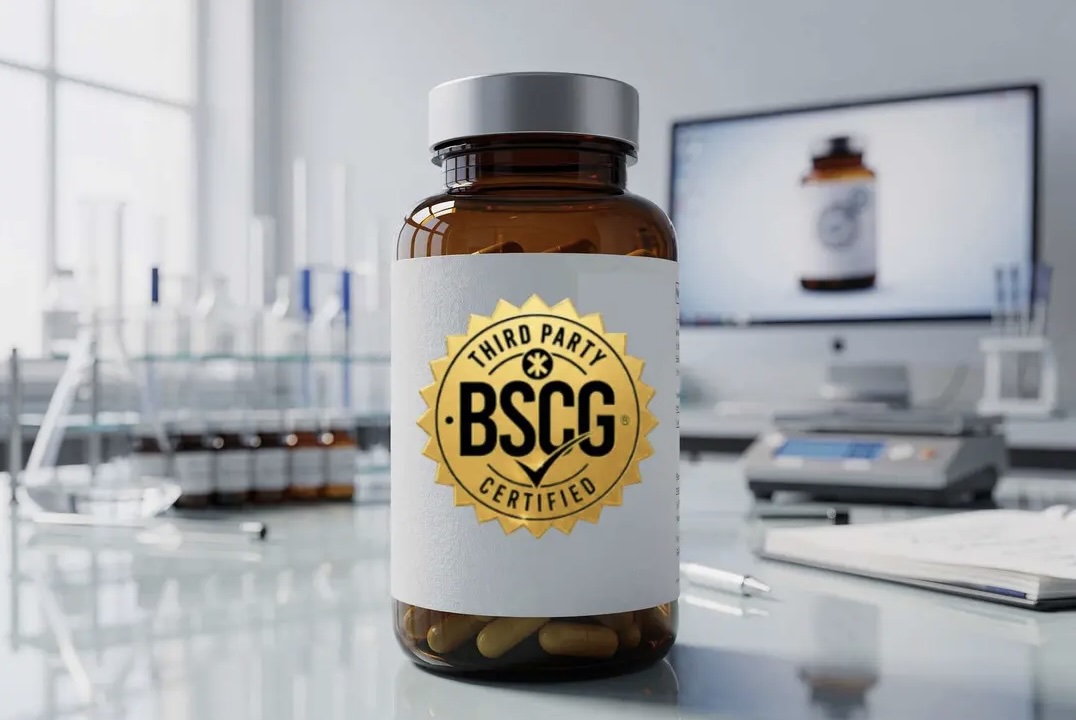
Third-party certification and testing verifies that supplement products contain the labeled amount of active compound and are free of defined contaminants or banned materials. This process is crucial due to the lack of pre-market regulatory approval for dietary supplements.
Certification bodies conduct analytical testing for ingredient identity, quantitative content, and contaminants, including banned substances in competitive sport. Certification can help ensure that you get what you expect in a creatine gummy or other supplement without any hidden drugs or contaminants.
The BSCG Certified Drug Free program tests all finished product lots for over 450 banned substances, including more than 400 listed on the WADA Prohibited List and additional substances from prescription and over-the-counter sources. The program also verifies GMP compliance, and verifies testing is done annually for product label accuracy and for limits on harmful environmental contaminants.
The BSCG Certified Quality program is a certification designed for consumer and retail protection that includes GMP compliance and audit verification and annual testing for banned substances, label claims, and environmental contaminants like heavy metals, microbiological agents, and pesticides. For creatine gummies testing protocols would confirm ingredient identity, quantitate creatine content, and screen for heavy metals, microbiological agents, and more than 450 banned substances.
Sport governing bodies recognize the importance of product verification. Although creatine is not a prohibited substance by the World Anti-Doping Agency (WADA), International Olympic Committee (IOC), or the NCAA, supplements remain a documented source of inadvertent anti-doping rule violations due to contamination. Independent lot-specific testing can detect such risks before product use.
Certification marks indicate that a finished product has passed comprehensive testing protocols. Given that contamination is possible at any point in production, athletes and consumers should verify that the specific lot in use has been tested by referencing program databases.
Established certification programs conduct ISO accredited testing, and disclose protocols, banned substance panels, and thresholds and limits. Transparent disclosure practices enable users to assess safety and regulatory alignment based on concrete data and allow them to review quality control reports and details.
Key Takeaways of Creatine Infused Gummies
1. Creatine is not banned in sport, but athletes subject to banned substance testing should select products verified by lot-specific third-party certification and confirm their lot's tested status due to contamination risk across all supplement formats including creatine gummies.
2. Creatine supplement formats include monohydrate powder (reference standard), capsules, ready-to-drink options, and gummies, each presenting distinct manufacturing issues and stability profiles.
3. Gummy forms require specialized manufacturing and stability controls. Testing has identified that some products do not deliver the amount of labeled creatine advertised.
4. Purity and label accuracy remain the chief safety priorities. Independent research has documented below-standard purity as well as occasional contamination in a subset of supplements.
5. Creatine supports ATP regeneration and enhances outcomes in short-duration, high-intensity exercise, with strongest support for application in resistance training.
6. Effective quality assurance is ensured by third-party certification programs that test for banned substances, environmental contaminants, and verify label claims with transparent protocols.
Frequently Asked Questions
What are creatine-infused gummies?
Creatine-infused gummies are chewable supplements intended to provide a specified dose of creatine monohydrate within a gelling agent-based matrix. Each gummy provides approximately 1 to 1.5 grams of creatine, and additional formulation ingredients such as sweeteners and stabilizers are required.
Are creatine gummies as effective as powder?
Properly manufactured creatine gummies can provide the intended active ingredient. Recent analysis indicates some gummy products contain less creatine than labeled, and the gel matrix delays absorption compared to powder. Manufacturing challenges can impact quality. Bioavailability can be similar when quality controls are observed.
Are creatine gummies safe for athletes?
Creatine is not listed as a banned substance; however, variable quality control in gummy manufacturing presents a higher risk of unknown composition or contamination. Athletes are advised to use third-party tested, lot-verified products.
Do creatine supplements need banned substance testing?
All dietary supplements, including creatine, may be subject to quality issues that can result in banned substance contamination or an inadvertent positive drug test. Third-party testing mitigates this risk by verifying the absence of banned substances and provides maximum protection to athletes, military service members, first responders and general consumers.
Does creatine cause positive drug tests?
Pure creatine is not a banned substance under current guidelines from agencies including WADA, IOC, professional sports like the NFL, MLB, NBA, or NHL, or collegiate sport like the NCAA. Risk arises primarily from supplement contamination, so lot-specific third-party verification is recommended for athletes subject to drug testing.
Moving Forward With Safe Creatine Supplementation
Effective creatine supplementation requires: understanding of substantiated benefits, recognition of format-specific manufacturing requirements, awareness of label accuracy and product purity challenges, and reliance on independently verified product lots. The body of scientific evidence for strength and power improvement is strong, but delivery and quality issues remain product-dependent.
Gummy and other novel formats, due to formulation complexity, require robust testing to assure consumers and athletes of creatine content and contaminant control. Third-party, lot-specific certification provides a basis for trust in supplement integrity.
Selection of creatine products should be informed by documentation of third-party quality testing at the lot level. Verification should be conducted before use. This practice strengthens consumer and athlete confidence in the supplement's compliance with safety and labeling standards.
Safe and effective creatine supplementation depends on documented benefits, awareness of format-specific manufacturing challenges, and verification of product purity and label accuracy. For newer formats such as gummies, independent, lot-specific testing provides essential assurance of creatine content and contaminant control in an otherwise variable supplement category.
CERTIFIED CLIENTS
Search by Lot, Product, Brand, Category, or Other Keyword.
Certified Drug Free
Certified Quality
Certified GMP
Certified CBD