How to Prevent Positive Drug Tests from Supplements
Apr 22, 2026
A positive drug test can immediately terminate a professional career. Individuals in athletics, the military, and emergency services operate under these high stakes. The risk of a positive result exists even with unintentional consumption, and supplements currently in use may contain undisclosed prohibited substances.
Anti-doping programs apply strict liability, assigning responsibility for all substances present in an individual's body. The World Anti-Doping Agency (WADA) explicitly states that consuming a poorly labeled dietary supplement is not an acceptable defense in doping hearings. Prevention of positive drug tests due to supplements is a pragmatic necessity for anyone subject to testing, not just elite athletes.
How to Prevent Positive Drug Tests from Supplements
Supplement consumption is prevalent. Analyses indicate that up to 82% of athletes and 73% of U.S. adults use at least one supplement. The regulatory framework in the United States does not require pre-market safety evaluation for supplements. The responsibility for quality rests with manufacturers, and this approach demonstrates systemic shortcomings.
Contamination often results from shared manufacturing environments or inadequate supplier qualifications, not solely from deliberate adulteration. Facilities processing prohormones, SARMs, or peptides and vitamin products on shared equipment without stringent cleaning may facilitate cross-contamination. Detection of metandienone and stanozolol in vitamin tablets at concentrations from 0.06 to 0.2 micrograms per tablet has occurred, which is sufficient for detection in drug testing.
Anti-doping laboratories currently employ detection methods that can find parts per trillion levels. Trace levels of substances, with no clinical effect, can trigger positive tests. Documented incidents such as those involving Jessica Hardy and Pavle Jovanovich involved unintentional consumption via supplements, but sanctions equaled those for intentional use.
Strategies for Safe Supplement Use
Safe supplement use relies on compliance-focused decision making, beginning with but not limited to reviewing the product label. Ingredient disclosures cannot be regarded as wholly reliable, as undisclosed substances have been observed despite apparent product transparency. Confusing naming conventions for certain ingredients may disguise banned substances. Reviewing a label remains necessary but is not sufficient for assurance.
Product sourcing impacts risk. Items acquired through unverified or significantly discounted channels present elevated risk; these may be counterfeit, expired, or contaminated due to poor manufacturing. Established retailers and brands maintaining documented quality controls provide additional risk mitigation but do not ensure absolute safety.
Professional consultation contributes to risk management. Collaboration with a dietitian, physician, or qualified nutritionist supports data-driven assessment of supplement necessity and evidence for claimed benefits. This evaluation must address both manufacturing practices and ingredient panel disclosures.
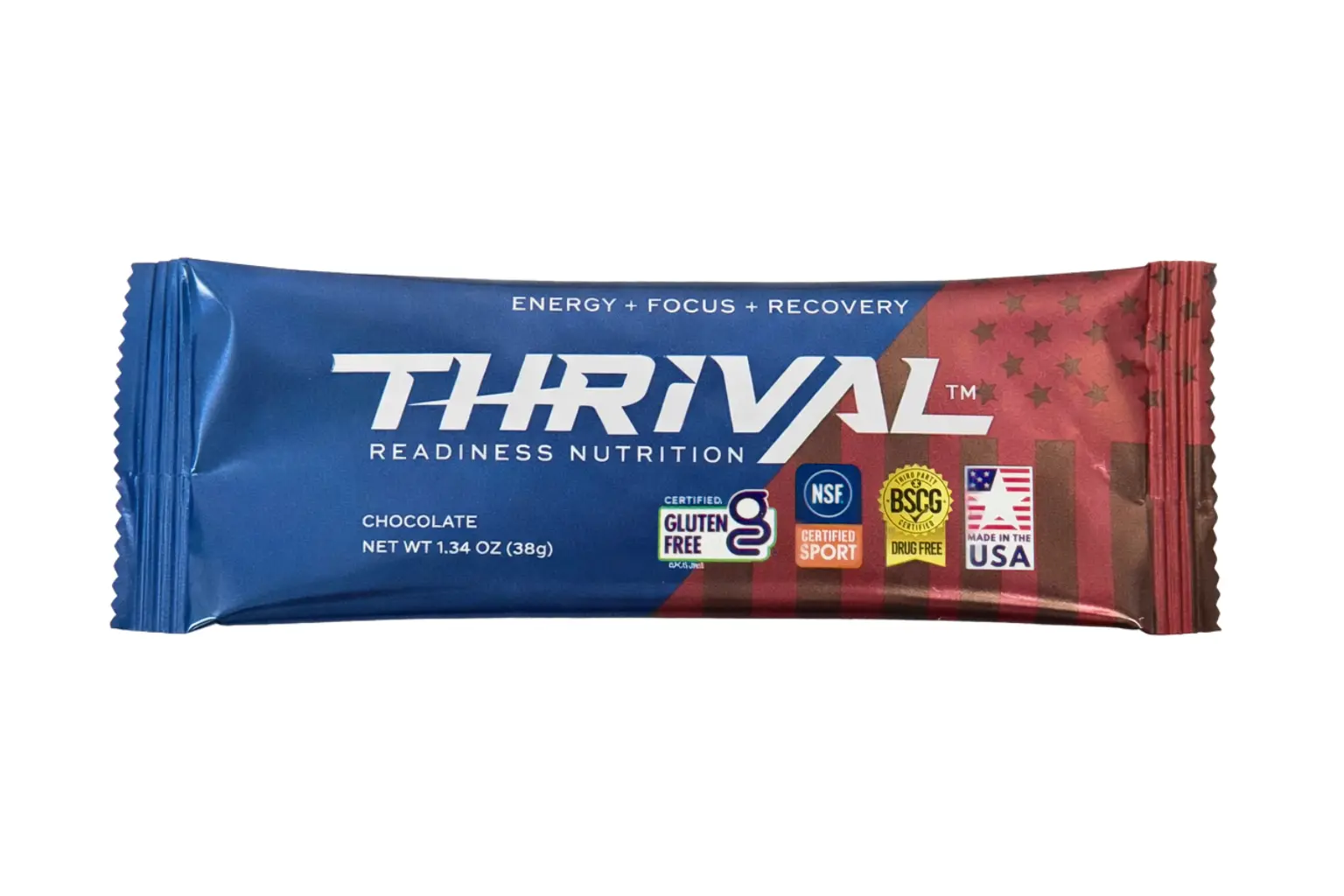
The best defense against hidden drugs or contaminants in a dietary supplement is to use only third-party certified supplements. Programs like BSCG Certified Drug Free, NSF Certified for Sport, or Informed Sport screen for hundreds of banned substances helping to prevent positive drug tests from dietary supplements.
Potential Red Flags and Hidden Risks
Elevated contamination risks are consistently associated with muscle-building, male performance, pre-workout, nootropic, and weight loss supplement categories. Between 2007 and 2016, the Food and Drug Administration identified 776 dietary supplements from 145 companies contaminated with prescription medicines, banned chemicals, or drugs such as Ostarine.
Weight loss supplements warrant additional scrutiny. Studies note that some products persist in the marketplace up to six years after FDA warning letters regarding unlisted contents. Unlabeled stimulants, sibutramine, and fluoxetine have been verified in such products.
Proprietary blends present challenges to dosage and ingredient verification by aggregating multiple ingredients under one listed weight without specifying individual amounts. Claims resembling prescription drug efficacy or the absence of batch and expiry information signal noncompliance with labeling regulations and justify product avoidance.
Cost and branding do not reliably indicate safety. Even premium-priced supplements have been shown to harbor prohibited substances.
Independent Testing and Certification
Third-party certification provides an external verification mechanism to address supplement-related doping risk. Independent laboratories use validated, ISO/IEC 17025-accredited methods aligned with anti-doping standards to verify product safety, accuracy, and the absence of prohibited substances.
The Certified Drug Free program tests each finished product lot for more than 450 drugs, including over 400 WADA-prohibited and 50 prescription or illicit drugs. Comprehensive good manufacturing practice (GMP) audits and annual quality specification verification are included.
Other recognized programs such as Informed Sport, NSF Certified for Sport, and the Cologne List use various approaches to testing scope, frequency, and methodology. Verification of certification should always involve matching the specific lot number to a program database prior to use, as certification applies exclusively to tested lots.
No certification program can eliminate contamination risks entirely. WADA advises that quality-assured supplements mitigate but do not eradicate inadvertent doping risks. Empirical outcomes are notable; for instance, no supplement within the BSCG certification scope has triggered a positive drug test in more than 20 years.
Specific product lots may also be tested independently through programs such as the Athlete Assurance Program, which applies ISO 17025-accredited banned substance screening to samples submitted by individuals, teams, or organizations.
Further Considerations for Risk Mitigation
Manufacturing practices, facility locations, supply chains, and formulations may change, potentially reintroducing contamination risks even for previously certified products. Only ongoing, lot-specific testing systematically addresses this variability.
The WADA Prohibited List is updated annually. Routine monitoring of these updates is essential, as regulatory changes immediately impact supplemental compliance. A product compliant last year may become noncompliant following list revisions. Both athletes and manufacturers must systematically monitor regulatory changes.
The WADA 2025 systemic risk assessment identifies that most contamination risks are introduced prior to athlete acquisition or consumption. Comprehensive risk management includes active oversight of the entire supply chain, including supplier qualification, ingredient-level testing, and documented recall procedures.
The Certified Drug Free database provides public access to verification by product and lot number. Reference to this database prior to supplement use confirms whether the lot has undergone relevant screening.
Structured Risk Reduction
A comprehensive approach, including disciplined product selection, label review, expert guidance, and third-party certification, reduces but does not eliminate the risk of positive drug tests. The prevention of positive results from supplements requires adherence to structured protocols rather than reliance on single interventions.
Documented cases, such as Simona Halep's Roxadustat finding and Taylor Lewan's Ostarine-related NFL suspension, illustrate the impact of supplement contamination on professional sport drug testing. Strict liability applies regardless of intent.
Transparent supply chain management, lot-level verification, and proactive monitoring of updated banned substance lists constitute effective long-term risk reduction strategies. Third-party certification programs add verification that complements, but does not duplicate, in-house quality controls. For those subject to testing, independent verification is regarded as a fundamental aspect of responsible supplement use.
Frequently Asked Questions
Can contaminated supplements yield positive drug tests even without intentional ingestion of banned substances?
Yes. Anti-doping frameworks apply strict liability, holding individuals responsible for banned substances in their system regardless of source. Published analyses estimate that 6.4% to 8.8% of doping violations can be traced to contaminated supplements.
Which supplement categories most often contain hidden banned substances?
Highest risk exists in muscle-building, pre-workout, weight loss, male sexual performance, and nootropic products due to a historical prevalence of contamination by pharmaceutical and designer substances not disclosed on the label.
What best reduces the risk of positive drug tests from supplements?
Use only supplement lots that have been certified drug-free by a trusted third-party organization. Verification requires consulting the certification provider's public database for the exact lot in question.
Does third-party certification provide absolute assurance that supplements lack banned substances?
Certification significantly reduces contamination risks but it is not a guarantee. WADA and reputable certification providers clearly communicate this limitation. Risk mitigation is optimal when every product lot is tested so there is no gap in protection.
What is the process for verifying that a supplement lot has been tested?
Reputable certification programs maintain searchable databases of certified products by lot number. BSCG’s Certified Drug Free database is publicly accessible for verification before use.
How frequently should supplement certification and testing be confirmed?
Certification and testing require ongoing, lot-by-lot review because manufacturing or regulatory changes can alter a product's compliance status following initial certification. Annual testing programs may provide assurance of product quality and accuracy of label claims but testing every lot for banned substances offers the best protection to athletes, military service members, and other drug tested professionals. The WADA Prohibited List is also revised annually, necessitating regular reviews of substance restrictions by athletes and certification providers.
CERTIFIED CLIENTS
Search by Lot, Product, Brand, Category, or Other Keyword.
Certified Drug Free
Certified Quality
Certified GMP
Certified CBD