Third Party Supplement Testing: What It Is and Why It Counts
Jan 26, 2026
Third party supplement testing constitutes the independent assessment of dietary supplements by an external laboratory to confirm product safety, ingredient identity, label accuracy, and the absence of prohibited or harmful substances. These evaluations are conducted by organizations unaffiliated with the manufacturing or distribution of the product, ensuring impartiality.
Independent laboratory testing differs from internal quality checks performed by manufacturers, which can lack objectivity. For brands, athletes, and regulatory bodies, independent third party testing demonstrates that analysis results are not influenced by potential conflicts of interest. This process establishes whether products meet specified safety and composition standards beyond the manufacturer's claims.
Scope of Third Party Supplement Testing
Third party supplement testing comprises various types of analyses. The scope varies by program and may not include every category described below.
Identity testing confirms the presence of ingredients specified on the product label. Regulatory oversight addresses concerns such as bacterial and fungal contamination, as studies show contamination and ingredient substitution occur in the supplement industry.
Label claim verification establishes whether the concentration of active ingredients corresponds precisely with label declarations. Underdosing results in consumers receiving less than indicated, while overdosing increases risk—particularly in high risk categories like sport nutrition, weight management, pre-workout or energy supplements.
Contaminant screening involves the detection of heavy metals, pesticides, microbiological agents, and other unintended substances. A 2024-25 protein powder study determined that 47% exceeded California Proposition 65 safety thresholds for toxic metals. While Prop 65 limits are much lower than industry standard limits like USP, and such survey overinflate the issue a bit, they do highlight the concern that environmental contamination is an issue in some commercially available supplements.
Banned substance testing identifies the presence of drugs that are prohibited in contexts such as sports, military, and other regulated sectors. This testing is critical for athletes governed by World Anti-Doping Agency (WADA) policies, service members, and first responders subject to drug testing protocols. Analysis estimates 6.4% to 8.8% of doping violations result from contaminated dietary supplements, frequently due to undeclared substances.
Lot-to-lot consistency testing distinguishes between programs that assess a single production batch and those testing every lot. Ongoing testing of each lot provides greater assurance that any product selected by a consumer meets verified standards.
Distinctions Among Third Party Testing, Certification, and Verification
The terms third party testing, certification, and verification refer to related yet distinct processes. Clear differentiation provides clarity on each program’s assurance level.
Third party testing
Independent laboratory analysis of a product sample for specific parameters such as identity, potency, contaminants, or banned substances.
This does not indicate continuous oversight, third party reviews of manufacturing practice, or verification of every production lot. Such testing is usually not made public so the extent and specific details are not usually known to consumers.
Certification
A structured process that commonly incorporates ongoing testing with facility audits, document assessment, and compliance monitoring. Certification programs commonly issue a seal or mark to indicate participation. Certification program details, key elements, and testing menus and limits are provided publicly so consumers can understand the scope and scale of the protection offered.
Certification does not offer absolute assurance of safety or efficacy. No certification program guarantees that a product is completely free of banned substances.
Verification
Confirmation of compliance with a specific claim or requirement, such as manufacturing GMP compliance, ingredient identity or label accuracy for a defined batch.
Verification does not cover comprehensive quality systems, full Good Manufacturing Practice (GMP) standards, or all potential contaminants.
Certification programs typically integrate several forms of testing and verification as components of a broader quality assurance system. Laboratory testing, performed in isolation, delivers data only on the sampled product and does not provide insight into the manufacturer’s overarching quality processes.
Significance of Third Party Supplement Testing
For supplement brands, third party testing acts to limit liability and reduce recall risks. Retailers and e-commerce platforms increasingly mandate third party testing or verification for product listings and enable third party certified products to be expedited through compliance. For example, Amazon regulates certain supplement categories through required testing. Brands maintaining documented test results and certifications meet evolving regulatory expectations and industry best practices. Amazon's Compliance Fast Track lists third party certifications that qualify, like BSCG.
For athletes and regulated populations, third party testing is essential due to strict liability implemented by sports governing authorities. Athletes are responsible for every substance detected in anti-doping controls. WADA recognizes that many positive drug tests are traceable to supplement misuse. Unintentional ingestion of banned compounds may result in disciplinary sanctions.
Military personnel, first responders, and others subject to strict drug testing are subject to comparable consequences, including discharge or loss of security clearance upon a positive drug test. Empirical evidence indicates that supplements promoted for muscle building, weight management, and pre-workout use are frequently contaminated with pharmaceutical or designer substances not disclosed on labels.
Broad banned substance screening requires comprehensive analytical panels and highly sensitive detection thresholds to identify trace levels capable of triggering positive results. Programs with limited scope or higher detection limits may fail to identify contaminants of regulatory importance or those may cause inadvertent positive drug tests.
Key Differences Among Third Party Supplement Testing Programs
Third party supplement testing programs vary considerably in analytical breadth, sensitivity, and methodology. Understanding these differences assists in evaluation of program suitability for specific needs.
Number of substances screened directly impacts the likelihood of detecting prohibited or hazardous compounds. For example, in banned substance certification some programs cover fewer than 300 substances, while BSCG screens for more than 450 substances, including over 400 on the WADA Prohibited List and over 50 pharmaceuticals.
Detection thresholds indicate the minimum concentration measurable using a particular method. Effective banned substance testing generally operates in the low parts per billion range. Elevated detection limits may result in false negatives, leading to regulatory or clinical risk.
Testing frequency establishes the temporal relevance of analytical results. Some providers carry out testing at the time of certification and at periodic intervals thereafter. Others conduct testing for every production lot. BSCG’s Certified Drug Free program includes banned substance testing for every finished product lot, while Certified Quality applies annual analytical protocols.
Transparency of testing methods and banned substance lists influences the ability of stakeholders to assess program thoroughness. Not all providers publish their analytical menus or reporting criteria. BSCG discloses its full substance list, detection thresholds, and reporting levels online, permitting open access to program methodology.
Criteria for Evaluating Third Party Supplement Testing Providers
Objective assessment of a testing provider incorporates the following considerations:
- Disclosure of testing scope. Public availability of the complete analyte list supports informed evaluation. In the absence of disclosure, request clarification.
- Currency and comprehensiveness of banned substance lists. Analytical panels should align with current WADA Prohibited Lists and include pharmaceuticals relevant to military and first responder populations.
- Defined detection thresholds. Reliable testing specifies detection thresholds in parts per billion and transparently describes reporting cutoffs.
- Testing frequency. Assessment of whether every lot, annual batches, or a single sample is tested should be clear and verifiable.
- Traceability and auditability. Certification systems should permit verification of specific lot numbers by consumers and stakeholders.
- Laboratory accreditation. ISO 17025 accreditation ensures that testing is completed to internationally recognized standards using validated methods.
- Inclusion of GMP compliance review. Thorough third party GMP assessment evaluates manufacturing process controls and supplier qualification.
BSCG’s Third Party Supplement Testing Methodology
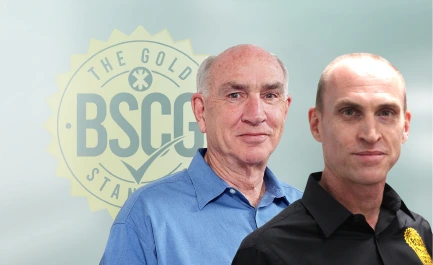
BSCG was established in 2004 by Dr. Don Catlin, Oliver Catlin, and attorney Ryan Connolly to enhance supplement quality and safety. Dr. Catlin founded the UCLA Olympic Analytical Laboratory in 1982, pioneering sports drug testing in North America, and contributed to the identification of designer steroids misrepresented as legal supplements. BSCG offered among the first third party banned substance certification services for dietary supplements globally.
BSCG applies a transparent, comprehensive, and ongoing verification approach to supplement testing. The complete banned substance testing menu, detection thresholds in parts per billion, and detailed reporting protocols are publicly available. All laboratory partners hold ISO 17025 accreditation and use validated, industry-standard methods. BSCG’s panels include more than 450 screened compounds, covering over 400 on the WADA Prohibited List and more than 50 prescription, over-the-counter, and illicit substances.
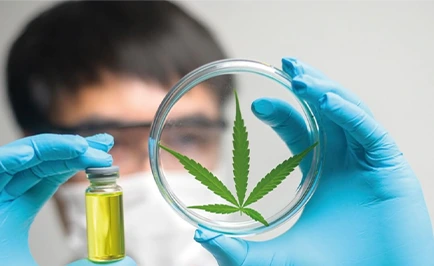
BSCG testing programs address distinct regulatory and consumer needs. Certified Drug Free is structured for stakeholders such as athletes, military, and first responders and integrates banned substance testing, label claim verification, and GMP compliance review. Certified Quality supports consumer and retail requirements through annual ingredient verification, label claim assessment, contaminant analysis, and banned substance testing. Certified CBD addresses the specific analytical needs of hemp and CBD-derived supplements. The Athlete Assurance Program provides ISO 17025-accredited testing for representative product samples prior to use by sporting organizations.
BSCG appreciates global recognition of it's Certified Drug Free program by groups including the NFL, UFC, International Testing Agency, U.S. Department of Defense Operation Supplement Safety, and others.
FAQ: Third Party Supplement Testing
Definition
Third party supplement testing is the independent assessment of dietary supplements by an external laboratory to verify ingredient identity, label accuracy, safety, and the absence of banned or harmful substances. It may be an included element in broader Third Party Certification programs that may also focus on GMP compliance or banned substances.
Legal Requirements
Third party supplement testing is not mandated by law. The FDA does not approve dietary supplements for safety or efficacy prior to sale. Manufacturers bear responsibility for ensuring product quality and compliance. Voluntary third party testing and certification is increasingly utilized to satisfy retailer and consumer expectations and demonstrate brand commitment to quality products.
Guarantees of Safety
No third party program guarantees complete safety or the total absence of banned substances. Testing minimizes risk but does not eliminate it. Brands remain responsible for establishing safety and compliance, and consumers are advised to conduct due diligence based on published data.
Recommended Testing Frequency
Testing frequency should correspond to product risk profile and the purpose of the testing. Supplements categorized as high-risk, such as pre-workout or weight management products, benefit from per-lot testing for banned substances. Lower-risk products may follow an annual testing interval. Quality control testing is required by GMP so an annual check is a reasonable approach. Lot-specific certification should be confirmed via program databases before purchase.
Testing and Certification Compared
Testing involves laboratory analysis of product samples for defined attributes that is usually not public. Certification encompasses testing, audits, documentation review, and ongoing compliance processes with marketing associated with program seals.
Elements to Evaluate in a Third Party Providers
Key considerations include disclosure of testing menus, ISO 17025 laboratory accreditation, stated detection limits in the low parts per billion, and explicit details about testing frequency and coverage by lot. Reviewing the including key elements that may include GMP compliance, product quality testing, or banned substance screening is essential in determining the scope of the protection.
Summary and Reference Guidance
Third party supplement testing addresses verifiable product safety and quality concerns in an industry with limited pre-market regulatory oversight. A 2011 review reported that 73% of supplement manufacturers inspected by the FDA had at least one regulatory infraction. Confirmed instances of contamination and non-compliance span multiple supplement categories.
Independent third party testing and certification provides measurable risk mitigation for brands in terms of liability, fulfills retail requirements, and supports consumer trust. For athletes, military service members, and others subject to strict drug testing thorough testing for banned substances decreases the probability of inadvertent anti-doping violations. For consumers, third party data increases confidence that the product matches its labeled composition and excludes harmful adulterants.
Supplement certification programs differ substantially. Stakeholders should compare providers by examining their analytical scope, data transparency, detection limit sensitivity, and testing frequency. Lot-specific verification should be available for any product purchased. Recognize the limitations inherent in any certification process. While no program provides absolute assurance, robust third party testing provides the most rigorous protection currently available for dietary supplement quality and safety in the prevailing regulatory environment.
CERTIFIED CLIENTS
Search by Lot, Product, Brand, Category, or Other Keyword.
Certified Drug Free
Certified Quality
Certified GMP
Certified CBD