Military Drug Test Detection Window: What You Must Know
Feb 07, 2026
The military maintains a strict zero-tolerance drug policy. Understanding the military drug test detection window is essential for service members, as detection windows determine the period during which testing can identify substance use. These timeframes directly influence operational readiness, discipline, and career outcomes. A single positive result typically initiates court-martial proceedings, administrative separation, or discharge under less than honorable conditions.
Explore detection windows, military drug testing procedures, details on prohibited substances, and factors that can impact how long drugs remain traceable. Guidance on compliance and the role of third-party certification in supplement selection to avoid inadvertent positive drug tests is also provided.
What Is the Military Drug Test Detection Window?
The military drug test detection window refers to the period after substance use during which tests can identify drug presence. Testing methods provide different windows: urine tests generally detect most drugs for several days to weeks, hair follicle testing identifies drug use for up to 90 days in scalp hair and up to 12 months in body hair, while blood tests offer the shortest window, detecting substances for hours to a few days.
The military conducts frequent, unannounced drug tests as required by Department of Defense (DoD) policy. All service members must be tested at least annually; many units conduct monthly random screenings to support operational readiness and discipline.
The testing panel includes substances such as marijuana, cocaine, opioids, amphetamines, designer drugs, and anabolic steroids. The military uses low cutoff thresholds to detect even small quantities. For example, the THC cutoff is 15 ng/ml, significantly lower than many civilian workplace standards or the sport drug testing standard that is now set at 150 ng/ml.
The Purpose and Process of Military Drug Testing
Article 112a of the Uniform Code of Military Justice prohibits service members from using controlled substances. Department of Defense Instruction 1010.01 governs the Military Personnel Drug Abuse Testing Program (MPDATP), which applies to all branches. The program's primary aim is to deter drug use that could undermine safety, discipline, and mission effectiveness.
Testing procedures encompass random testing, for-cause testing initiated on reasonable suspicion, and full-unit sweeps when directed by commanders. For example, the Army requires commanders to randomly test a minimum of 10% of their unit monthly.
Strict chain-of-custody protocols protect specimen integrity. Every handler documents transfers using DD Form 2624, the official custody record. Samples are sealed in the presence of the service member, secured with tamper-evident tape, and transported to DoD-certified laboratories within 24 hours. This comprehensive documentation prevents tampering and ensures accountability for both the military and individuals.
Key Screening Protocols
Urine testing is the primary screening method due to its balance of detection effectiveness, cost, and logistical feasibility. Observers of the same gender as the service member conduct sample collection under direct observation to prevent substitution or adulteration while maintaining appropriate dignity and procedural integrity.
Laboratories carry out a two-stage process. The initial immunoassay screening detects drug classes. Presumptive positives undergo confirmatory testing with gas chromatography-mass spectrometry (GC-MS), an analytical gold standard. Only results confirmed by this method are reported, minimizing the risk of false positives for service members.
Hair follicle testing is used less frequently, with a standard analysis of 1.5 inches of scalp hair reflecting approximately 90 days of substance history due to the average rate of hair growth. Body hair extends the window to approximately 12 months, given slower growth cycles. Blood testing is deployed in circumstances requiring confirmation of recent use.
Impact on Service Members
Positive drug test results typically result in significant consequences. Outcomes depend on substance type, the service member’s rank, and branch policies. Use of Schedule I, II, or III substances, such as cocaine, methamphetamines, LSD, and ecstasy, frequently initiates court-martial proceedings, which can result in dishonorable discharge, loss of pay, and up to five years of confinement as outlined in applicable guidance.
For marijuana and Schedule IV or V substances, non-judicial punishment under Article 15 is typical. Even in these instances, administrative separation and loss of veterans’ benefits may occur. Discharge characterization directly influences future employment potential, eligibility for security clearances, and access to Department of Veterans Affairs services.
Substance abuse programs are available for service members with positive results. These programs offer counseling and treatment but do not guarantee career retention. The overarching focus remains deterrence and personal accountability.
Factors Influencing Detection Windows
Detection windows vary by individual. Frequency and amount of substance use are primary influences. For example, a single marijuana use may be traceable in urine for 3 to 7 days; frequent use can extend detection up to 30 days or longer. Clearance time increases with higher dosage due to extended metabolic elimination. There may be variations between individuals due to their characteristics and unique metabolism.
Half-life of the drug also affects detection. Substances with longer half-lives persist in the body for longer periods. For instance, cocaine typically clears urine in 3 to 4 days, whereas some benzodiazepines remain detectable for much longer.
While some information is published on the detection windows relying on such information to try to beat a military drug test can put a military career in jeopardy. Abstaining from drug use is the only way to pass a military drug test. Service members need to be cautious with supplements that can influence drug test results.
Metabolic and Physiological Differences
Individual metabolic rates significantly affect drug clearance. Faster metabolism reduces traceability duration. Health status, age, and physical activity also play roles.
Body mass, particularly for fat-soluble substances like THC, influences detection periods. Higher body fat may extend retention time due to storage and gradual release from adipose tissue.
Hydration status impacts urine metabolite concentration. Adequate hydration may support faster elimination, while dehydration can elevate metabolite levels in urine. Attempted urine dilution is readily detected and interpreted as test refusal.
Genetic variation, particularly in enzymes such as CYP450 2D6, leads to differing metabolic speeds among individuals. These immutable factors can materially affect test outcomes.
Substance Classification
The military drug panel screens for 26 substances, including marijuana, cocaine, methamphetamine, multiple opioids (heroin, oxycodone, hydrocodone, fentanyl), benzodiazepines (such as Xanax and Valium), designer drugs (including ecstasy and synthetic cannabinoids), anabolic steroids, morphine, barbiturates, and LSD.
Use of prescribed medications requires advance documentation. Service members must report all prescriptions and relevant documentation to their commander. Certain prescriptions may be incompatible with military service or specific assignments if categorized as controlled substances.
Over-the-counter products can cause unexpected positive results: pseudoephedrine in cold medications may register as amphetamines, and poppy seeds can result in morphine positives. Service members must exercise caution regarding substances ingested.
Common Substances Screened in Military Testing
The 26-drug panel targets substances with potential to impair performance or indicate abuse. Marijuana is among the most frequently detected drugs, and federal law continues to prohibit its use among service members regardless of civilian legal status.
Opioid detection is prioritized due to ongoing public health concerns. The panel incorporates heroin, prescription opioids such as oxycodone and hydrocodone, and synthetic opioids like fentanyl. Cutoffs are calibrated to identify both illicit use and misuse of prescribed medications.
Stimulants, including cocaine and methamphetamine, are monitored given operational safety risks. Screening for designer drugs and synthetic cannabinoids reflects their attempt to duplicate the effects of controlled substances while circumventing regulation.
The military also prohibits substances that are on the WADA Prohibited List in categories S0-S5. Testing for anabolic steroids is standard due to potential behavioral effects, as is screening for masking agents and diuretics that might obscure other drug use.
Dietary supplements have introduced risk of inadvertent positive test results. Contaminated or adulterated dietary supplements have caused drug test failures in military and other tactical populations. Many products contain undeclared compounds, including banned stimulants and steroids, at levels that may produce positive results even absent noticeable pharmacological effects. A study that compiled data from 50 publications on dietary supplements found that 28% of the more than 3,000 products analyzed had substances present that could cause an inadvertent positive drug test.
Maximizing Accuracy of the Military Drug Test Detection Window
The military maintains rigorous testing standards through defined protocols and stringent laboratory certification. All DoD facilities meet established accreditation requirements and employ validated analytical techniques. The two-stage process of screening and confirmatory analysis minimizes false positives.
Chain-of-custody management documents each sample transfer and secures specimens in tamper-evident containers. This systematic process ensures defensible records in any dispute of results.
Service members possess procedural protections regarding drug tests, including the right to legal representation and access to appeals. These rights are effective only if testing procedures meet required standards.
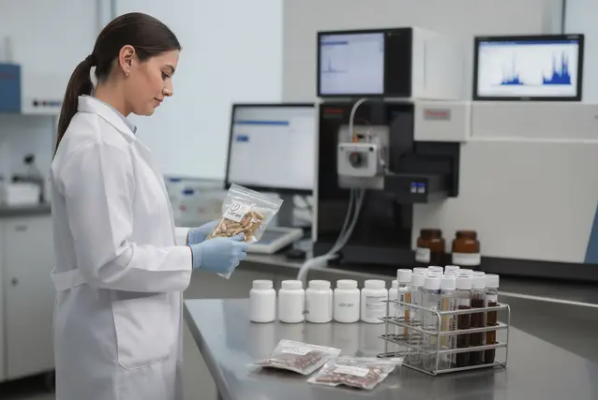
Third-party supplement certification helps mitigate risk of inadvertent test positives. Independent analysis at the parts-per-billion level in certified laboratories can identify contamination in supplements at levels relevant to military drug testing. Certification programs apply advanced analytical methods to confirm product purity.
Testing partnerships with ISO 17025-accredited laboratories ensure use of advanced instrumentation, including LC-MS/MS and GC-MS. Certain certification programs screen for hundreds of drugs, encompassing banned substances outlined in military testing standards.
Staying Informed and Prepared for Military Testing
Understanding detection windows for various testing methods is essential: urine tests identify substances present for days to weeks, hair tests detect use over months, and blood tests reflect use within hours to days. Attempts to evade or alter these windows are generally detectable and subject to disciplinary action.
Compliance requires abstention from prohibited substances and careful documentation of all consumables. All prescribed medications must be disclosed to the chain of command, and supplements should only be considered if verified as drug-free by an authorized third-party certification. Verification through recognized third-party certification increases assurance of supplement safety.
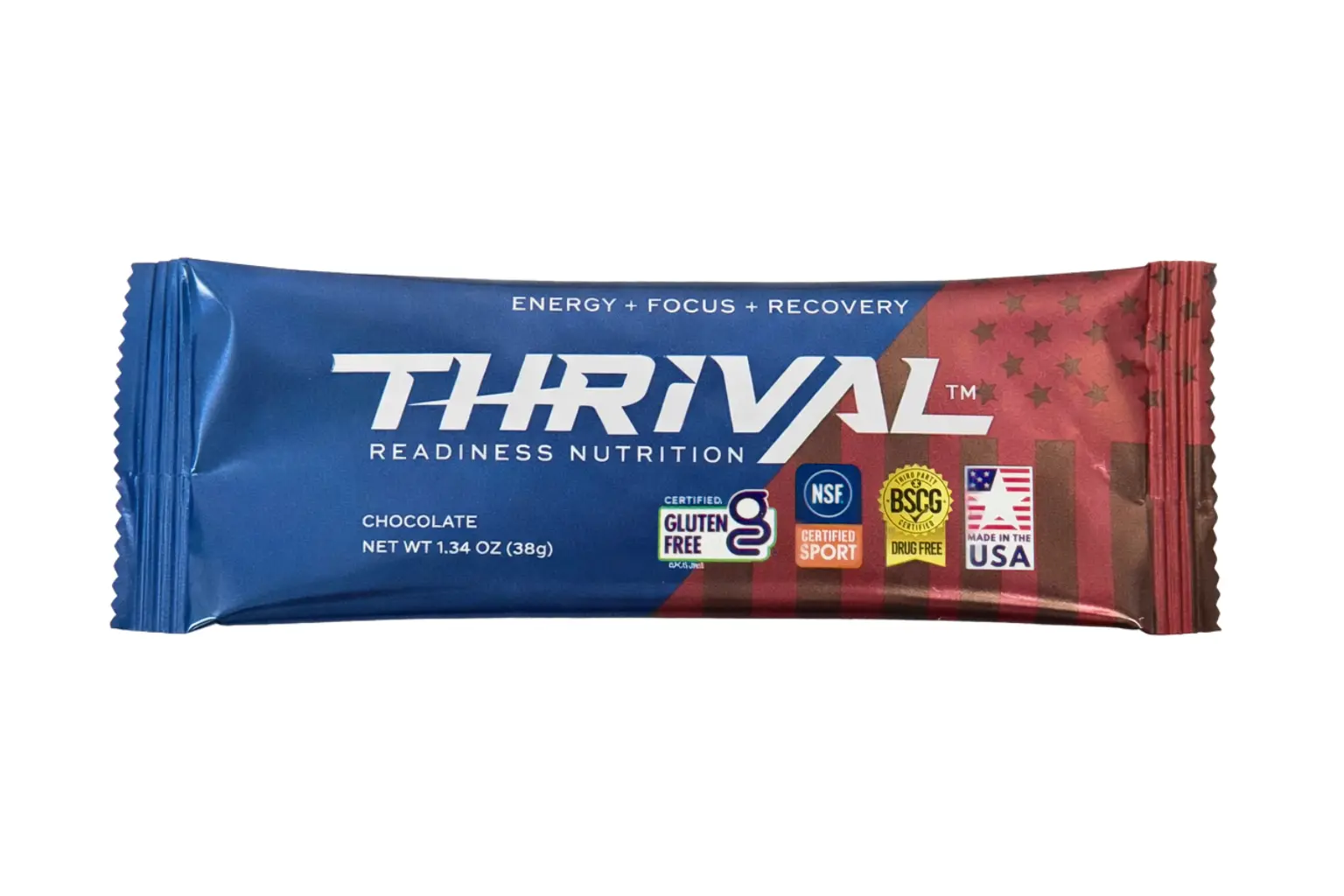
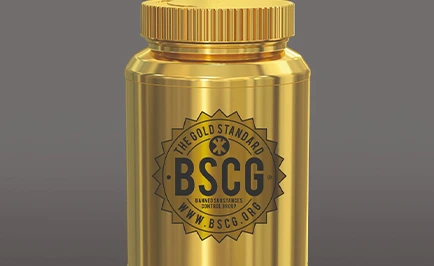
The DoD mandated Operation Supplement Safety (OPSS) keeps a list of DoD prohibited substances. OPSS also recommends third-party certification from BSCG Certified Drug Free, Informed Sport, NSF Certified for Sport, or USP Verified as a means of checking supplement quality.
The zero-tolerance policy mandates that even minimal amounts of a prohibited substance may yield adverse career consequences. Modern analytical assays detect substances at extremely low concentrations that go down to parts per billion and even part per trillion levels, often below any threshold for physiological effect. This approach supports operational readiness but demands personal vigilance.
Effective risk management requires informed decision-making. Service members must comprehend the ingredients in any product consumed and confirm relevant certification status. In cases of uncertainty, non-consumption is the prudent choice.
FAQs About Military Drug Testing
How far back can a military drug test detect substance use?
Urine tests detect most drugs for several days to weeks. Hair follicle tests provide approximately 90 days of detection for scalp hair and up to 12 months for body hair. Blood tests identify usage within hours to a few days.
What substances does the military test for?
The military conducts a 26-drug panel that includes marijuana, cocaine, methamphetamine, opioids, benzodiazepines, designer drugs, anabolic steroids, morphine, barbiturates, LSD, as well as masking agents and diuretics.
Can prescribed medications cause a positive military drug test?
Prescribed medications can register positive test results if they are contaminated or come from sources that are not reputable. All prescriptions must be reported to the chain of command with supporting documentation. Certain controlled substances may not be compatible with continued military service.
What happens if a service member tests positive?
Outcomes depend on the substance, rank, and branch involved. Results often include non-judicial punishment under Article 15, administrative separation, or discharge under less than honorable conditions. Schedule I, II, or III substances can result in court-martial and extended confinement. These results affect veteran benefits and post-service employment opportunities.
How can service members avoid inadvertent positive tests from supplements?
Service members should use only dietary supplements certified as drug-free through third-party organizations recognized by the Department of Defense and OPSS. Programs include BSCG Certified Drug Free, Informed Sport, NSF Certified for Sport, and USP Verified. Consumption of uncertified supplements is a leading cause of inadvertent military drug test failures.
Are military drug tests accurate?
Military drug testing typically uses a two-stage process: initial immunoassay screening is followed by confirmatory GC-MS testing. Protocols minimize false positives and maintain accuracy through robust chain-of-custody standards. Screening for performance enhancing substances often uses GC-MS or LC-MS mass spectrometry that is highly accurate and sensitive.
CERTIFIED CLIENTS
Search by Lot, Product, Brand, Category, or Other Keyword.
Certified Drug Free
Certified Quality
Certified GMP
Certified CBD