Running Nutrition Supplements: Safety, Testing, and Anti-Doping Considerations
Jan 21, 2026
Runners use supplements to support hydration, fuel workouts, and aid recovery. Not all running nutrition supplements meet the same standards for purity and accuracy. For athletes subject to drug testing, contamination with banned substances is a documented and ongoing risk. Strict liability rules stipulate that intent does not influence anti-doping violations. Contaminated products have resulted in significant consequences for athletes, including suspensions.
Electrolyte drinks, energy gels, protein powders, caffeine products, and multi-ingredient blends are common supplements for runners. These serve distinct nutritional purposes during training and competition. The supplement industry operates with limited regulatory oversight; manufacturers are not required to prove safety or accuracy of label claims before market entry. Third-party testing organizations provide independent evaluation to assess banned substance presence and label accuracy.
Runners participating in drug tested sports reduce doping risk by choosing third party certified supplements. This decision aligns with risk management principles established in competitive athletics. This guide outlines key information related to supplement safety, recognized testing standards, and methods for verifying product compliance with anti-doping requirements.
Common Types of Running Nutrition Supplements
Supplements for runners address nutritional demands that often exceed what food alone can provide during periods of intense training or competition. Each category presents different formulation and contamination risk considerations depending on ingredient complexity and manufacturing controls.
Primary supplement categories include:
Electrolyte and hydration products. These products replenish sodium, potassium, magnesium, and other minerals lost through sweat. Many electrolyte formulas supply carbohydrates to support energy needs during prolonged training or competition. Use is typical during sessions lasting longer than 60 minutes and in events where fluid balance and muscle function are critical.
Energy gels and chews. These supplements deliver concentrated carbohydrates, typically 20 to 30 grams per serving, to maintain blood glucose and delay the onset of fatigue. Products often include gels, chews, waffles, and bars. Formulation differences exist in carbohydrate composition, electrolyte addition, and caffeine content.
Protein and recovery supplements. Protein powders and ready-to-drink shakes facilitate muscle repair following strenuous exercise. Common protein types are whey, casein, or plant-based. Some recovery formulas also include carbohydrates, electrolytes, and amino acids to support glycogen restoration and reduce delayed onset muscle soreness.
Caffeine-containing products. Caffeine is widely accepted as a performance enhancer within sport-specific guidelines. However, regulatory limits do exist. For example, certain sport governing bodies, including the NCAA, establish thresholds for caffeine in athlete testing. Runners may use caffeine from gels, tablets, or pre-workout beverages to maintain alertness and reduce perceived fatigue, but must monitor intake to remain compliant with regulations.
Adaptogens and performance blends. These blends include ingredients such as ashwagandha, rhodiola, or cordyceps, often marketed for endurance, recovery, or stress modulation. Scientific evidence for efficacy varies by ingredient and formulation. Multi-ingredient products are statistically more likely to present contamination risks due to complex supply chains and limited ingredient transparency.
Each supplement category provides a targeted nutritional function but may introduce risk if not adequately tested and verified for banned substances.
Why Runners Face Unique Supplement Risks
Endurance athletes often consume supplements frequently and near the time of competition, creating multiple opportunities for exposure to contaminants. Published analyses indicate that 28% of 3,132 products assessed contained undeclared substances with potential to cause positive drug tests. The consequence for athletes is substantial.
Contamination can result from cross-contact in manufacturing facilities that produce both compliant and non-compliant products or through deliberate adulteration, where prohibited substances are introduced intentionally or through inadequate controls. For instance, a 2016 study found 19% of 67 sampled supplements in Australia contained banned substances not declared on the label.
Labeling inaccuracies further complicate risk. Products may list ingredients under technical or unfamiliar names, omit them entirely, or report inaccurate dosages. Research on pre-workout supplements has shown frequent occurrence of banned substances that are absent from the ingredient lists representing the hidden risks of supplement use.
The anti-doping rule of strict liability assigns full responsibility to athletes for any prohibited substance detected in their body, as articulated in the World Anti-Doping Code. This standard applies at all levels of competition.
NCAA statistics document an increase in reported SARMs contamination cases from 2 student-athletes in 2013-14 to 28 in 2016-17. Professional athletes have received suspensions after positive tests traced to supplements presumed to be free of banned substances.
The Role of Third Party Testing in Running Nutrition Supplements
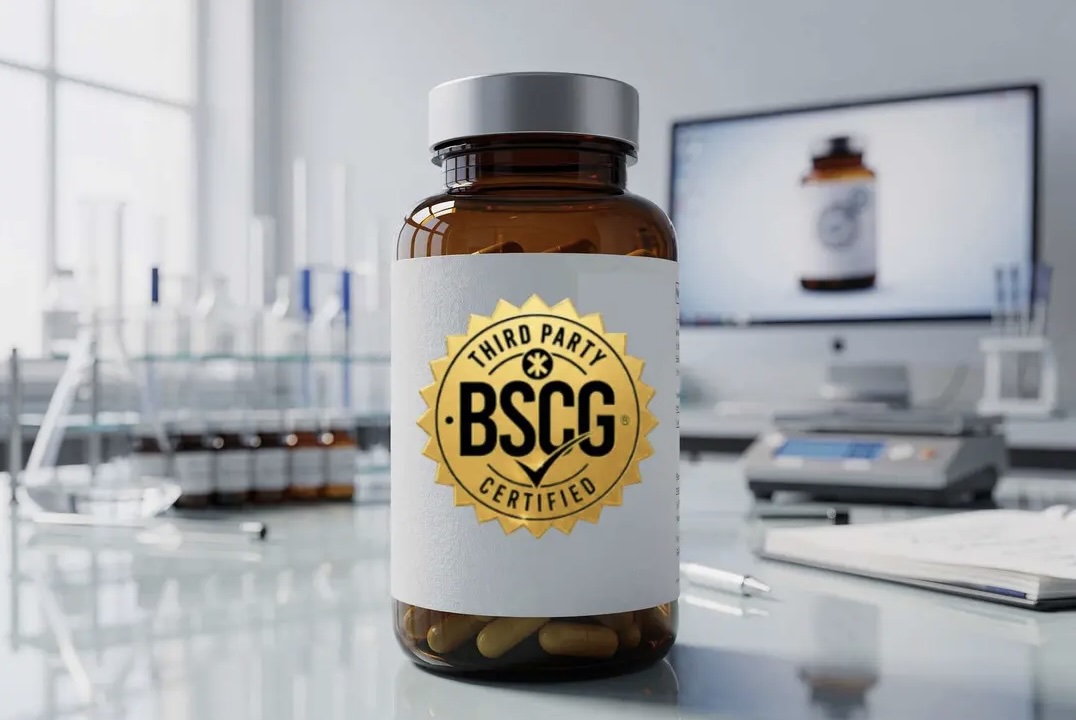
Third-party testing and certification providers have programs that conduct independent assessment to confirm that supplements do not contain substances prohibited in sport and that labels accurately reflect the ingredient content. Independent providers operate without financial interest in outcomes and follow established screening protocols for banned substances.
Scope of analysis varies among certification programs. Some screen for fewer than 300 substances, while others exceed 450, covering the majority of the World Anti-Doping Agency (WADA) Prohibited List, which contains around 430 drugs. Some programs also cover additional prescription and illicit drugs. Broader testing lists increase the likelihood of detecting substances associated with positive drug tests, while also reducing risks for brands and verifying quality for consumers. Narrower testing menus may not address all substances relevant to anti-doping enforcement.
Testing frequency also varies. Programs that test annually do not offer the same level of quality assurance are programs that test every lot. Ensuring that the lot in hand has been tested for banned substances can mean the difference between success, and failure on a drug test, and athletes and brands can't afford that. The best protection for running nutrition supplements is to ensure they are consistently tested for banned substances and audited for GMP compliance and quality control.
Certification claims warrant careful evaluation. Distinctions exist in laboratory accreditation, sensitivity of detection methods, menu transparency, and the accessibility of certified lot records. Athletes and support personnel must verify specific lot numbers against public certification databases to confirm batch-specific compliance. Absence of lot-level verification limits the reliability of certification seals.
While no certification program can guarantee absolute absence of banned substances, independent third-party testing presents a measurable reduction in risk relative to untested products, serving as the industry standard in risk mitigation for athletes subject to anti-doping rules. Such programs also provide elevate quality assurance to consumers and the general running public.
Criteria Used to Evaluate Tested Running Nutrition Supplements
When assessing supplement safety, the following criteria provide reliable confirmation:
- Disclosure of testing program. Labels should display the name of the certifying third-party body. Claims such as "lab tested" carry limited value without specific details and connection to a verified and trusted third party.
- Banned substance screening. Certification programs must should provide broad screening for substances prohibited by WADA and relevant sport authorities and provide access to their testing menu upon request. Lack of transparency in substances tested and technical details is a significant limitation.
- Lot-based verification. Batch-specific records allow users to confirm that the exact lot number of their product underwent required analysis. Most credible programs offer searchable databases for this purpose.
- ISO 17025 accreditation. Analytical work should occur in laboratories with ISO 17025 accreditation, indicating validated methods and procedural reliability.
- Transparent substance lists. Certification programs should disclose the panel of substances tested and their detection limits for each. Opaque protocols do not fit with the goal of third party certification, which is to provide transparency.
- GMP compliance. Good Manufacturing Practice (GMP) audits independently verify adherence to quality control standards during production, lessening primary sources of contamination. This is an important pillar of third party certification that may be offered together or separately along with banned substance screening or quality testing.
These requirements distinguish comprehensive verification from surface-level testing claims. Products meeting all criteria offer the most robust protection currently available within regulatory and industry limits.
Why "Clean" or "Natural" Claims Are Not Enough
Marketing descriptors such as "clean," "natural," or "pure" have no enforceable definition in supplement regulations. A "natural" label does not indicate absence of contamination or adulteration with banned substances. Regulatory agencies do not require manufacturers to validate these claims prior to sale.
Contamination arises when raw materials originate from suppliers lacking rigorous quality controls, including those operating under international standards different from U.S. regulations. Cross-contact during manufacturing, packaging, or storage is common. Manufacturers frequently have incomplete knowledge of the precise content of all supplied ingredients.
Endurance-focused supplements, including those with multiple ingredients or proprietary blends, may exhibit higher rates of contamination due to complex sourcing and formulation. Products in performance-oriented categories, such as pre-workouts and energy blends, present elevated risk profiles compared to basic vitamins and minerals.
Evidence substantiates the risk of contamination affecting products carrying "natural" claims. For example, Canadian football player Andrew Harris tested positive for metandienone after consuming an "all-natural" supplement that was later found to be contaminated. Comparable incidents have affected athletes from multiple sports and countries, regardless of the source of the supplement.
Independent laboratory analysis is the only reliable method for verifying supplement composition. Label slogans, packaging, or historical reputation do not function as safeguards against banned substance contamination. Verification through recognized, independent third-party testing organizations is the established method to confirm supplement safety for runners subject to testing protocols.
How BSCG Approaches Testing for Running Nutrition Supplements
BSCG applies over 25 years of anti-doping and laboratory experience to its supplement certification program. Founded by Dr. Don Catlin, formerly of the UCLA Olympic Analytical Laboratory, along with his son nutrition industry executive and anti-doping expert Oliver Catlin, and attorney Ryan Connolly, the organization uses protocols based on established anti-doping methodologies relevant to elite and competitive athletics.
The BSCG Certified Drug Free program tests every production batch for over 450 substances, including the majority of drugs on the WADA Prohibited List as well as additional prescription, over-the-counter, and illicit drugs. This scope aligns with substance categories most frequently associated with positive drug tests, as reported by anti-doping agencies.
All testing is conducted in ISO 17025 accredited laboratories using validated methods specifically calibrated for dietary supplements. Detection thresholds are set to identify trace-level contamination down to parts per billion levels relevant to sport drug testing standards.
Transparency is maintained by public disclosure of the testing menu and detection levels. Stakeholders are able to review analytical details and compare them with those offered by other organizations. Although not many banned substance testing providers have the details available online.
BSCG also requires GMP audits of manufacturing facilities in the Certified Drug Free program and other programs like Certified Quality. A initial certification process also reviews supplier qualification, raw material specifications, finished products specification sheets, contaminant screening protocols, quality control and testing process, recall procedures and adverse event monitoring systems. This complete GMP and compliance review process addresses contamination risk throughout the supply and production chain in addition to lot specific testing for banned substances.
The public database enables verification that specific lot numbers are associated with a certified, tested batch. Lot-level verification is required due to the recognized variability between production runs.
BSCG’s Athlete Assurance Program provides custom testing of individual supplements that are not already certified, building additional measures for risk mitigation when needed by teams or individuals. Custom banned substance testing is done according to the needs of the athlete, team, league, or brands and manufacturers.
All BSCG analytical protocols reflect anti-doping standards established for Olympic and elite-level sport, making them suited for athletes who require documented, regulatory-compliant supplement safety.
Key Takeaways for Runners Seeking Safe and Verified Supplements
Studies confirm that contamination with banned substances has been identified in a significant percentage of supplements available on the market. Strict liability rules in sport anti-doping frameworks hold athletes accountable for any prohibited substance detected in their system, regardless of intent or method of ingestion.
Third-party certification statistically reduces the likelihood of unintentional anti-doping violations. However, material differences exist between certification programs regarding frequency, scope, transparency, and laboratory standards. Distinguishing between these differences is essential; not all certifications confer the same level of assurance.
Claims of being "clean," "natural," or "pure" provide no regulatory guarantee of safety or compliance. Only analytical testing by an accredited laboratory can substantiate absence of banned substances.
Lot-based verification is an essential step. Certification applies only to specific production lots, not entire brands or product lines. Athletes must confirm that the lot number on their package matches a certified batch in the third party certification provider's public database.
Selection of supplements tested through documented, third-party certification programs, coupled with independent lot verification and thorough review of analytical disclosures, currently represents the most reliable means for runners to manage risk while supporting performance and regulatory compliance.
FAQs
What are running nutrition supplements?
Running nutrition supplements are products formulated to support fluid balance, carbohydrate intake, protein needs, and micronutrient sufficiency during training or competition. Common examples include electrolyte drinks, energy gels, protein powders, caffeine products, and performance-enhancing blends tailored for endurance athletes.
Are running nutrition supplements regulated?
The United States Food and Drug Administration (FDA) regulates supplements under the Dietary Supplement Health and Education Act of 1994 (DSHEA). However, manufacturers do not need to provide evidence of safety or efficacy prior to bringing products to market. The FDA typically intervenes only after issues are identified post-market, resulting in regulatory gaps and quality assurance issues for consumers.
Do runners need third-party tested supplements?
For athletes subject to anti-doping controls, purchasing third-party certified supplements offers a significant reduction in the likelihood of inadvertent doping violations. Evidence shows that approximately 28% of non-certified products evaluated contain undeclared substances that could contribute to positive anti-doping tests. Programs also often include GMP compliance review and quality control process evaluations to help ensure the quality of supplement products.
Can running supplements cause a failed drug test?
Running supplements may produce positive drug tests when contaminated. Studies show that 19% of analyzed supplements contained banned substances not identified on product labels. World Anti-Doping Agency (WADA) data attribute a portion of positive anti-doping results to supplement contamination, and strict liability rules remain in effect regardless of consumer intention.
How often should running supplements be tested?
Maximal risk reduction is achieved through lot-based testing, which requires every production batch to undergo independent analysis before market release. Initial certification alone, with only periodic re-auditing, offers less protection, as contamination can occur at multiple stages of manufacturing.
What characteristics define a credible third-party certification program?
Reliable certification programs publish their testing menu, conduct analyses in laboratories holding ISO 17025 accreditation, test every production lot, disclose detection limits, perform regular GMP audits, and maintain public records for lot verification. Programs lacking these elements should be evaluated carefully for limitations in scope or enforcement.
CERTIFIED CLIENTS
Search by Lot, Product, Brand, Category, or Other Keyword.
Certified Drug Free
Certified Quality
Certified GMP
Certified CBD