The Hidden Cost of Fair Play: Olympic Drug Testing at the Milan Cortina 2026 Winter Games
Feb 10, 2026

As the Milan Cortina 2026 Winter Olympic Games begin, public attention naturally focuses on medals, athletes, and defining moments. Far less visible—but essential to the credibility of the Games—is the global anti-doping system operating quietly behind the scenes. Olympic drug testing is often spoken of as all-encompassing, yet in practice it operates within clear financial, scientific, and logistical constraints that directly influence what is tested, how often testing occurs, and how deeply samples are analyzed.
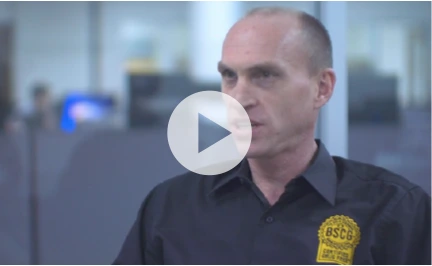
BSCG President and co-founder Oliver Catlin, who has spent more than two decades working in sports anti-doping science and dietary supplement safety, provides context for understanding Olympic drug testing by examining testing volume, estimated costs, and the realistic scope of coverage. Evaluating these figures alongside the overall Olympic budget offers a clearer picture of how much is invested in protecting fair competition.
Winter Olympic Budget Overview
The total projected budget for the Milan Cortina 2026 Winter Olympics is approximately $1.7 billion, an increase from early estimates of $1.3 billion. By Olympic standards, this is relatively modest. The Beijing 2022 Winter Games cost roughly $2.29 billion, while the 2014 Sochi Games remain the most expensive Winter Olympics in history at an estimated $55 billion.
Winter Olympic Drug Testing: Estimated Costs and Scale
Drug testing forms the foundation of credible Olympic sport. During the Beijing 2022 Winter Olympics, approximately 3,100 samples were collected and analyzed. A conservative estimate places the cost of laboratory analysis at around $1,000 per sample, resulting in an approximate in-Games testing cost of $3.1 million.
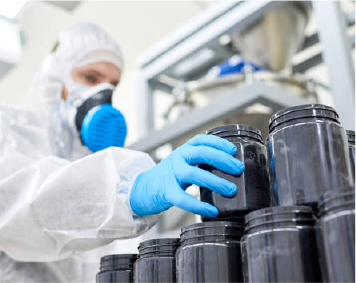
Sample collection represents a substantial additional expense. In-competition and out-of-competition collections require trained personnel, logistics, and secure handling. Assuming collection costs represent roughly 50% of total testing expenditures, overall in-Games drug testing costs likely reached $6.2 million.
In the six months prior to the Milan Cortina Games, more than 7,100 samples were collected from approximately 2,900 athletes, representing 92% of competitors. Pre-Games testing alone may therefore approach $6 million, bringing the combined pre-Games and in-Games drug testing budget to an estimated $12 million.
Drug Testing Costs in Context of the Olympic Budget
When viewed against the total $1.7 billion Olympic budget, an estimated $12 million spent on drug testing represents approximately 0.7% of overall expenditures. If pre-Games testing costs are accounted for outside the official Olympic Games budget, that percentage may be closer to 0.35%.Given public expectations that Olympic competition is comprehensively protected from doping, these percentages highlight the financial limitations within which anti-doping programs must operate.
Scope and Complexity of Olympic Drug Testing
At the Beijing Winter Olympics, 3,100 athletes were tested, with 55% of athletes tested, and at least one from all 91 countries tested. The 2026 WADA Prohibited List includes more than 430 explicitly named substances, along with numerous related compounds and analogues. This creates substantial analytical complexity. Certain high-priority tests—such as those for erythropoietin (EPO), human growth hormone (HGH), and blood manipulation methods—are significantly more expensive and technically demanding than standard screening panels. As a result, not every sample can be analyzed for every prohibited substance or method, leaving inevitable gaps in coverage. Historical cases demonstrate how these gaps can be exploited. Cross-country skier Johan Mühlegg won three Olympic gold medals before testing positive for the blood-boosting drug darbepoetin only after his third race.
Positive Test Rates and Their Limitations
At the Beijing 2022 Winter Olympics, 4 positive tests were reported from approximately 3,100 samples, resulting in a positive rate of 0.129%. While often cited as evidence of clean sport, such figures are unlikely to reflect true doping prevalence.
Retrospective Testing Reveals a Different Picture
Olympic samples are now stored for up to 10 years, enabling retrospective testing as analytical methods advance. This approach has led to substantial numbers of delayed positives and medal reallocations. From retrospective testing done from the London 2012 Olympics, 116 positive cases were ultimately identified from 6,250 samples, a positive rate of approximately 1.86%. Similarly, 86 positives were later reported from the Beijing 2008 Games. These findings suggest that initial testing results often underestimate the extent of doping requiring science and resources for anti-doping authorities to fill the gaps.
Why Resources Matter in Anti-Doping
Anti-doping outcomes are shaped by funding levels, scientific capabilities, and strategic decisions about what laboratories can realistically test for at any given time. When resources are limited, difficult choices must be made about test selection, frequency, and timing. While no testing system can be perfect, increased investment improves detection capability, reduces blind spots, and strengthens confidence in the integrity of Olympic sport. Clean competition depends not on assumptions, but on informed oversight, long-term commitment, and reliance on experienced experts who understand both the science and the evolving tactics used to evade detection.
CERTIFIED CLIENTS
Search by Lot, Product, Brand, Category, or Other Keyword.
Certified Drug Free
Certified Quality
Certified GMP
Certified CBD