What Does “NSF Certified” Mean and Why Is It Important?
Jan 02, 2026
Third-party certifications provide structured, independent evaluation of dietary supplements and other products. A certification mark on a label indicates that an independent organization has assessed the product based on established standards. The term NSF Certified denotes that NSF International has evaluated the product or facility against specific criteria related to quality, safety, or banned substances, as defined by the relevant program.
NSF Certified status represents third-party verification that a product or facility meets designated standards. This certification is prevalent in dietary supplements, food, and sport sectors to mitigate risk and increase transparency within the supply chain.
NSF Certification Importance and Application
The dietary supplement industry has documented challenges related to label inaccuracies, contamination, and undeclared ingredients. Published research confirms these risks, which can affect consumer safety and result in unintentional doping violations for athletes.
Third-party certification addresses these gaps through verified testing protocols, facility audits, and confirmation that products meet a recognized standard. For athletes, certification reduces doping risks. For brands, it demonstrates adherence to industry standards. For consumers, it provides an additional layer of assurance based on independent evaluation.
Founded as the National Sanitation Foundation in 1944, NSF International has developed standards and testing protocols for dietary supplements, water treatment, and food safety. The NSF mark signifies that evaluation has occurred under a defined program, each with specific scope and testing requirements.
Certification reduces risk but does not ensure absolute absence of contaminants or safety for all users. Each program operates within established scopes and defined limitations, and structured testing lowers but does not eliminate risk.
NSF Certified: Scope and Methodology
NSF operates multiple certification programs with distinct objectives, testing requirements, and scopes. As a result, the meaning of “NSF Certified” depends on the specific program applied to a product or facility. Accurate interpretation requires identification of the applicable NSF program and review of its defined testing parameters.
The primary NSF programs relevant to dietary supplements are NSF GMP Certified, NSF Contents Certifed, and NSF Certified for Sport. Each program defines its own testing protocols, targeted concerns, and intended users. NSF GMP Certified denotes certification to the NSF/ANSI 455-2 manufacturing standard for dietary supplements, while NSF Contents Certified uses the NSF/ANSI 173 supplement product standard.
NSF/ANSI 173 is one of the American National Standard Institute standards, this one is specifically for dietary supplements. The technical requirements for NSF/ANSI 173 include tests for label claims and nutritional markers as well as heavy metals (arsenic, lead, mercury), pesticides, aflatoxins, microbiological contaminants, and compliance with federal Good Manufacturing Practice regulations (21 CFR § 111).
The certification consists of product claim review, toxicology assessment of formulations, and facility inspection for GMP compliance. NSF executes annual facility audits and periodic product retesting to sustain certification status.
Testing for substances banned in sport is not part of NSF/ANSI 173 and is covered solely under NSF Certified for Sport, which does not have a standard. A product can only participate in NSF Certified for Sport if it is also NSF Contents Certified and made in an NSF Certified GMP facility.
The Scope of the Program Defines what an NSF Certificate Means
An NSF certificate means confirmation that a product or facility met the requirements of a specific NSF program at the time of evaluation. NSF Certified GMP involves manufacturing audits with no testing. NSF Contents Certified involves testing to NSF/ANSI 173 that covers contaminants and label accuracy but does not include testing for substances banned in sport. Products certified under NSF Certified for Sport undergo additional testing for 290 prohibited drugs as outlined by that program's defined panel, with the protection applying only to the specific lots certified.
Evaluation of certification documents requires identification of the program, its scope, and applicability to the specific product lot or batch. The general term "NSF Certified" does not convey sufficient information. Examination of the associated program and scope is necessary for accurate interpretation.
Overview: NSF Certified for Sport
The NSF Certified for Sport program addresses banned substance risks in dietary supplements used by athletes and sports organizations. NSF International screens supplements for 290 substances prohibited by most major athletic organizations including stimulants, narcotics, steroids, diuretics, and masking agents.
This program includes facility audits, annual verification of label claims and testing for contaminants such as heavy metals and pesticides, with individual lots certified for banned substances. Certified products receive the NSF Certified for Sport mark, which is recognized by professional sports organizations including the NFL, MLB, PGA, and LPGA.
NSF Certified for Sport applies to the individual lots tested. The frequency of testing varies from one or two lots for some products, to lot by lot testing at client discretion, to every lot being tested. Lots that are not tested may still display the certification mark. Verification of lot numbers in the NSF database is recommended prior to use by athletes or other drug tested professionals.
NSF Certified for Sport is limited by the defined scope of its banned substance panel, which currently includes 290 substances. Compounds not specified within the panel, including newly identified designer drugs or emerging pharmacological agents, may not be detected until formally incorporated into the program following periodic review. Certification therefore reduces risk within its defined parameters but does not eliminate all potential exposure.
Limitations and Boundaries of NSF Certification
NSF certification provides independent oversight within clearly defined program boundaries. Understanding these boundaries is essential for correct interpretation of certification status, particularly when certification claims are evaluated in regulated or athlete-facing contexts.
Certification for sport applies exclusively to tested and listed products or lots, while GMP certification applies only to participating manufacturers. Products with out-of-scope lot numbers have not been tested, making lot verification a necessary step for users. Products can't display the NSF GMP Certified seal even though many are made in GMP certified facilities.
Testing scope is delineated by the scope and scale of testing. For example, NSF Certified for Sport includes 290 banned substances, while the WADA Prohibited List includes more than 400 drugs. So some substances banned in sport are out of the scope of testing. NSF Contents Certified does not include testing for banned substances in sport and does not provide anti-doping protection on its own.
Certified products may still pose health risks. As referenced by Dr. Pieter Cohen, Harvard Medical School, products with accurate labeling and certification may nonetheless cause adverse effects. Certification evaluates label conformity and presence of contamination or banned substances, not the pharmacological safety or effectiveness of ingredients.
Certification reflects the product or facility status at the most recent audit or test. Subsequent changes in formulation, sourcing, or manufacturing between audits or tests may not be immediately reflected. Continued compliance audits and ongoing testing for banned substances and quality control are essential components of certification.
Distinctions among Supplement Testing Programs
Third-party supplement certification programs vary in their testing methodology, scope of banned substance panels, approach to verifying label contents and limits on contaminants or GMP audits, batch testing requirements, and transparency of program details. These structural differences directly affect the degree and type of risk mitigation provided by a certification, especially in the realm of banned substance certification.
Certification programs concentrate on many different elements from gluten free to non-GMO, or kosher, or banned substances in sport. Some are process audits and do not include testing, while others may include testing for label claims and contaminants. A handful of supplement testing programs include testing for banned substances. Frequency of testing can range from testing of every finished product lot, to random monthly sampling, discretionary batch sampling, or annual testing. Certification applicability therefore depends on whether a specific product lot was tested and listed under a program’s defined requirements. It is essential to verify that a lot has been certified for banned substances if you are searching for drug testing protection and risk mitigation.
The scope of banned substance panels varies by program, ranging from panels of 150 banned substances to over 450 substances covered by BSCG, another industry leader in third party certification and testing. Broader panels offer more comprehensive detection of drugs that are banned in professional sport and on the WADA Prohibited List.
Transparency in third-party programs includes public disclosure of testing menus, detection limits, and reporting thresholds, and frequency of testing. Lack of transparency prevents users from assessing the actual protection afforded by a program.
Maintaining a broad testing menu that accounts for new or emerging compounds is critical, given recurring introduction of novel substances. Programs focused on anti-doping or regulatory protection ensure better protection for brands and consumers with continuous updates to their testing menus.
BSCG Certified Supplement Certification Programs
BSCG is another international leader in third party certification that offers an industry friendly approach while still accomplishing a similar level of protection. BSCG built its supplement certification and testing programs around anti-doping scientific expertise and regulatory risk management principles. Program design emphasizes broad banned substance coverage, program transparency, and multi faceted programs that include a focus on GMP audits and compliance and product label claim, contents and contaminant testing. BSCG allows GMP audits and label claim testing from other reputable third parties to satisfy certification program requirements enabling brands to showcase their own quality control processes or testing from other leading independent labs, or build a quality testing system with certification and testing provided by BSCG.
BSCG Certified offers 5 different certification programs.
The flagship Certified Drug Free program designed for anti-doping protection tests each finished product lot for over 450 substances, including 400 drugs on the WADA Prohibited List and 50 plus additional prescription, over-the-counter, and illicit drugs. The extra scope addresses findings that approximately 75% of drugs detected in FDA-contaminated supplement investigations fall outside sports-banned lists, yet still create risk for consumers. The program also requires GMP audits for manufacturers and annual verification of product specification testing for nutrient markers and contaminants. Testing for quality and contaminants, as well as GMP audits, can be done by BSCG or other qualified providers.
The BSCG Certified Quality program is an annual program built for consumer and retail protection and compliance. It includes annual testing for nutritional markers, environmental contaminants, banned substances and verification of GMP audit for manufacturers.
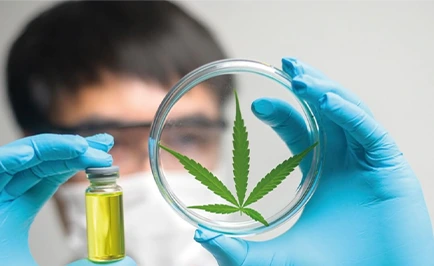
BSCG Certified CBD was custom built for the hemp and CBD product industry. It includes initial GMP quality control and compliance review followed by every lot testing for cannabinoids and banned substances with surveillance testing for environmental contaminants. BSCG applies a proprietary THC limit designed to ensure CBD products will not lead to positive drug tests from residual THC.
BSCG Certified Facility is made for manufacturers and involves onsite auditing for the requirements of GMP. The approach goes beyond a standard checklist audit to ensure sound quality systems are in place that meet FDA audit expectations and priorities.
BSCG Certified GMP is one of a kind program in the industry that is an audit only program for brands that verifies that own label distributors and brands comply with brand and product specific GMP requirements including review of supplier qualification, raw material specifications and testing, finished product specifications and testing, adverse event reporting, recall procedures, brand registration and licensing and more.
BSCG publicly discloses the testing menu, frequency of testing, detection levels, and reporting thresholds for its programs. Public documentation of program parameters allows independent assessment and enhances trust in certified status.
Testing is conducted in ISO 17025 accredited laboratories using validated methods. The integrated programs combine banned substance screening, GMP auditing and compliance, and label accuracy verification and testing for limits on contaminants.
The BSCG Dietary Supplement Ingredient Advisory List identifies ingredients classified as investigational new drugs or drug-like compounds deemed illegal to include in dietary supplements. BSCG provides this as a reference to formulators and brand owners for ingredients that can't be included in certified supplements.
BSCG Certified Drug Free is globally recognized by professional sports, anti-doping, military, nutrition, and regulatory organizations. Certification and testing services are provided to brands, ingredient suppliers, and facilities while adhering to the highest standards of neutrality and scientific rigor.
Conclusion and Key Points of What "NSF Certified" Means
1. NSF Certified status documents compliance with designated standards for quality, safety, or banned substances as independently verified by NSF International.
2. The meaning and scope of NSF certification is contingent on the designated program. NSF GMP Certified uses NSF/ ANSI 455-2 and pertains to manufacturers, NSF Contents Certified uses NSF/ANSI 173 to address contaminants and label conformity; NSF Certified for Sport evaluates banned substances specific to athletic use. An NSF certificate means that a product or manufacturer has met the program requirements.
3. Competitors include BSCG Certified, which offers a Certified Drug Free, Certified Quality, Certified CBD, Certified Facility, and Certified GMP programs that use industry standard methods and BSCG's industry leading banned substance testing menu coupled with GMP compliance evaluations to ensure product quality for dietary supplements, food and drinks, and other consumer products.
4 No third-party certification fully eliminates risk; programs are limited by their defined scope and testing methodology.
5. Evaluating a certification program requires understanding of the scope and scale of the program, its testing panel if relevant, batch testing frequency, public disclosure practices, and program specific details.
6. Product-specific verification, including lot number confirmation, is mandatory for athletes, military personnel, and consumers subject to drug testing protocols.
Frequently Asked Questions
What an NSF Certificate Means
NSF Certified means that NSF International has evaluated a product or facility against defined standards for quality, safety, or prohibited substances so the scope is defined by the program specifics. Certification only applies to listed manufacturers and products or lots explicitly tested or audited and included in the NSF database. An NSF certificate means that a manufacturing facility has met GMP requirements, or that a product has had contents tested and certified, or to a product that has been analyzed for banned substances in sport. NSF also certifies other categories of products like water pipes and infrastructure, hand dryers, and food service equipment.
Is NSF Certified the same as NSF Certified for Sport?
No. NSF offers different certifications in the dietary supplement realm that focus on GMP compliance for manufacturers, NSF GMP Certified, and label claims and content testing to the NSF/ANSI 173 standard, NSF Contents Certified. NSF Certified for Sport adds additional testing for banned substances in sport. So only the NSF Certified for Sport program addresses substances prohibited in athletic competition.
Does NSF certification guarantee a supplement is drug-free?
No. While NSF Certified for Sport covers 290 specified banned substances, it is not a guarantee that a product is free of banned substances, nor is any certification program. The WADA Prohibited List includes more than 400 drugs. Certification significantly reduces risk within its defined parameters as long as the batch has been tested and is included in the program database.
Do all NSF Certified products undergo the same testing?
No. Test frequency and protocol vary according to the specific NSF program and product category. GMP certification does not include any testing, while product testing for Contents Certified includes nutritional markers and contaminants annually. Certified for Sport is lot specific testing for banned substances.
How does NSF certification compare to other testing programs?
Programs differ in banned substance panel breadth, lot testing frequency, transparency, and approach to GMP audits and label claim, contents and contaminant testing. Detailed comparison using publicly disclosed program documentation supports informed evaluation of scope and limitations. Refer to program comparison resources for specifics on what an NSF certificate means when it comes to banned substance protection.
Recommendations for Staying Informed
Understanding what an NSF certificate means requires examination of the certification program, specific tests performed, and lot-specific certification records. While certification provides independent oversight, it does not remove all risks. No certification program can guarantee that a supplement is definitively 100% free from risk, and athletes remain responsible for what they choose to use.
Athletes, military personnel, and users regulated by drug testing standards must verify both the program and product lot number certification. Brands and facilities must consider scope, transparency, and compliance fit when choosing among certification programs. Consumers should use certification marks as evidence of independent evaluation, but also apply diligence when making supplement use decisions and ensure the certification program offers the protection they are seeking.
Certification mitigates but does not eradicate challenges surrounding contamination, mislabeling, and emergent compound introduction in dietary supplements. The efficacy of any third-party program depends on the underlying standards, transparency, and program rigor.
CERTIFIED CLIENTS
Search by Lot, Product, Brand, Category, or Other Keyword.
Certified Drug Free
Certified Quality
Certified GMP
Certified CBD