What Makes a Recovery Gummy Effective After Training
Apr 14, 2026
Recovery gummies are dietary supplements formulated to deliver nutrients associated with post-exercise recovery. Product quality, formulation, and verification practices vary widely across the category. For athletes and drug-tested individuals, recovery gummies must demonstrate safety, label accuracy, and regulatory compliance through documented manufacturing and independent testing practices.
What Are Recovery Gummies?
Recovery gummies are chewable supplements designed to deliver a precise dose of designated nutrients in a gelatin or pectin-based format. Companies market these gummies to athletes and individuals who prefer a convenient alternative to powders or capsules, eliminating the need for measuring or mixing.
Manufacturers frequently include carbohydrates (glucose syrup, maltodextrin), electrolytes (sodium, potassium), and amino acids (BCAAs) in recovery gummies. Additional components might include creatine, botanical extracts (ashwagandha, tart cherry), and select micronutrients. The product's design emphasizes convenience and taste to support adherence.
Compared to powders and capsules, gummies require sugars or sugar substitutes, gelling agents, flavorings, colorings, and stabilizers. These ingredients reduce the proportion of active content and increase both ingredient complexity and overall cost.
Gummies present unique stability challenges. Elevated moisture content and manufacturing heat degrade certain nutrients. Studies in pharmaceutical journals report that gummy vitamins lose 20 to 40 percent of potency within six to twelve months of storage under recommended conditions. In contrast, capsules retain approximately 90 to 95 percent potency over two to three years under similar storage parameters.
What Makes a Recovery Gummy Effective After Training?
Established performance nutrition guidelines define the criteria required for suitable post-exercise replenishment. A recovery gummy functions effectively after training by addressing physiological demands alongside strict quality controls. Five primary factors determine post-exercise efficacy:
- Rapid carbohydrate delivery for glycogen replenishment
- Electrolyte content aligned with sweat loss
- Clinically relevant dosing of actives
- Stability and accurate label claims
- Third-party testing and lot verification
Rapid intake of high-glycemic carbohydrates optimally restores depleted muscle glycogen stores during the immediate post-exercise anabolism window. Replenishing electrolytes replaces elements lost through sweat and sustains fluid balance. Efficacy also depends on delivering appropriate doses of amino acids for muscle repair and specific botanicals for documented anti-inflammatory support. Finally, manufacturing protocols and rigorous independent testing guarantee label accuracy, safety, and product stability over time.
Why Gummy Supplements Require Extra Scrutiny
Manufacturers encounter increased complexity and control variability when producing gummies instead of powders or capsules. Gummy formulations expose nutrients to moisture, varying pH, and elevated temperatures. These constraints affect the uniform distribution of active ingredients and product stability.
Processing conditions during gummy manufacture accelerate the degradation of moisture-sensitive, temperature-sensitive, or pH-sensitive compounds. Excessive heat can degrade nutrients such as vitamin C by 20 to 30 percent during manufacturing.
Independent investigations document recurring quality issues in gummy supplements. Analyses confirm that creatine content found in gummies may not meet label claims, and significant discrepancies exist regularly in active content. These findings underscore the necessity for rigorous product verification regardless of novel delivery formats.
Scrutiny of excipients remains necessary. Added sugars, sweeteners, and stabilizers may not suit every user. Individuals must examine ingredient lists thoroughly to determine product suitability. Documented risks include formulation errors, microbial contamination, losses of active ingredients, and instability under normal storage conditions.
What Defines a Recovery Gummy Suitable for Athletes
A recommended recovery gummy meets strict safety and quality criteria:
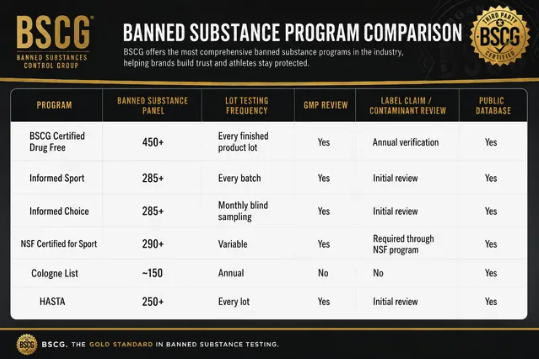
- Accurate ingredient identification and truthful label claims are fundamental. Certified Quality programs involve verifying ingredient identity and content, checking for environmental contaminants, and screening for banned substances. Certified products undergo quantification of active contents and assessment for heavy metals, microbes, and over 450 substances banned in sport and pharmaceuticals.
- Manufacturing under Good Manufacturing Practices (GMP) is essential. GMP provides a documented, systematic approach to maintaining product consistency, quality, and regulatory adherence at all stages, including purchasing, manipulating materials, and establishing operating procedures affecting product safety and purity.
- Independent, comprehensive screening for banned substances and adulterants is required. Finished product lots are tested for over 450 drugs, covering the World Anti-Doping Agency Prohibited List and additional prescription, over-the-counter, and illicit drugs not referenced in sport-specific standards.
- Lot-specific testing and verification databases are critical. Reliable certification depends upon the assessment of the specific lot available to the end user. Consumers should cross-check lot numbers via third-party certification databases prior to use.
- Continuous quality controls, beyond banned substance testing, form an integral part of robust certification protocols. These include ongoing GMP audits and annual product quality verifications, encompassing reviews of raw ingredient sourcing, claims, safety records, and recall preparedness.
These criteria function collectively to reduce risk but do not eliminate all potential sources of contamination or variability.
Recovery Gummies and Tested Sport Considerations
Athletes bear full responsibility for all ingested substances, consistently following sport testing standards. Authoritative sources urge caution with dietary supplements. High vigilance remains necessary because inadvertent ingestion of banned substances via contaminated supplements causes positive drug tests.
The case review "Recovery Gummies Allegedly Lead to a Doping Violation" details the complexities of assigning attribution for positive tests caused by supplement contaminants. Findings indicated GW1516 and its metabolite on inside and outside surfaces of recovery gummies purchased under an established sports nutrition brand. Package testing revealed considerable differences in detected GW1516 content among products. The review process did not definitively assign responsibility for the positive test to the product, illustrating the complex nature of doping investigations and the high evidentiary burden required to establish product culpability.
Published meta-analyses indicate that between 10 and 30 percent of supplements contain prohibited substances. Studies show 14.8 percent of non-hormonal supplements analyzed for anabolic agents tested positive for at least one prohibited compound. Undeclared substances have been documented in supplement categories such as weight loss, muscle building, and sexual enhancement. These findings apply to all supplement formats, including recovery gummies.
The Role of Third-Party Testing for Post-Exercise Gummies
Independent supplement testing utilizes rigorous laboratory analysis by knowledgeable third parties. These professionals verify the absence of banned substances, undeclared ingredients, and contaminants within dietary supplements.
Regulatory oversight from agencies such as the FDA remains limited, focusing on post-market spot checks rather than mandatory pre-market approval. This regulatory environment allows for variability, potential cross-contamination, and inconsistency between products and lots. Third-party testing and certification provide a documented risk mitigation strategy that verifies product contents prior to use.
Gummy formats require robust, lot-specific third-party testing due to formulation complexity. Documentation of independent laboratory analysis enables users to establish confidence in supplement integrity. Third-party certified, lot-verified products align with recognized industry practices for safety in drug-tested populations.
No analytical program guarantees the detection of all adulterants or contaminants. However, broad-spectrum third-party testing by established programs significantly reduces the risk of banned substance exposure for athletes, military personnel, and first responders subject to anti-doping protocols.
Current expert consensus recommends that athletes, military personnel, and other professionals subject to drug testing utilize only dietary supplements demonstrating third-party certification. Such certification confirms freedom from banned substances and ensures quality controls comply with industry and regulatory benchmarks.
How BSCG Approaches Recovery Gummy Verification
BSCG applies methodologies developed during 25 years in sport drug testing. Institutional leadership and advisory experience at the Olympic level inform program design and analytical rigor. BSCG-developed programs provide certification and audit services for dietary supplements, natural products, and nutraceuticals, combining extensive drug screening, label verification, and GMP compliance.
For gummy-based recovery products, the Certified Drug Free program evaluates each lot for a documented panel of over 450 substances. This panel includes all drugs on the World Anti-Doping Agency Prohibited List, as well as prescription, over-the-counter, and illicit drugs not covered by typical anti-doping panels.
Certified Quality annual testing confirms label accuracy, assesses compliance with current GMP requirements, and provides additional screening for environmental and chemical contaminants. Testing protocols for creatine gummies include the assay of creatine content, heavy metal screening, microbiological safety assessment, and verification against the comprehensive banned substances panel. This testing approach extends to all recovery gummy types assessed through BSCG programs.
Documented evidence supports that novel supplement formats, including gummies, require robust, validated, and independent testing to mitigate variation and provide a basis for informed decision-making.
Moving Forward with Post-Competition Safety
Supplement contamination risk exists across all delivery formats, including gummies, due to variable supply chains and diverse manufacturing conditions. Effective risk mitigation depends on transparent formulation, validated third-party testing, and confirmation of certification at the lot level. For athletes and organizations, these practices support informed actions and alignment with anti-doping expectations.
Sporting authorities support athlete safety by providing education outlining supplement certification protocols, independent testing procedures, and the necessity of lot verification for dietary supplements. For athletes and organizations selecting recovery gummies or other supplements, third-party certification supplies an essential resource for verifying screening against banned substances. Verification of the specific lot serves as a required step in ensuring intended protections are in place.
Athletes utilizing recovery gummies require products documented by credible, independently verified third-party certification programs. Such documentation supports the conclusion that specific supplements do not contain undeclared substances at levels relevant to drug testing. Institutional programs including Certified Drug Free and Certified Quality provide established frameworks for supplement testing, verification, and ongoing compliance with recognized practices for athletes and drug-tested professionals.
Frequently Asked Questions
Are Recovery Gummies Effective?
Properly formulated recovery gummies effectively support post-exercise physiological restoration. Efficacy requires specific design elements. An effective gummy delivers rapid carbohydrates, provides electrolytes aligned with sweat loss, and contains clinically relevant dosing of active ingredients. Products must maintain strict stability controls during manufacturing to ensure accurate label claims.
Are Recovery Gummies Safe for Athletes?
No dietary supplement presents zero risk for athletes. However, utilizing independently certified supplements provides substantive assurance against banned substance contamination. Gummies require augmented testing protocols owing to manufacturing complexity and degraded heat stability. Athletes mitigate testing risks by utilizing products verified at the lot level by recognized third-party analytical programs.
Do Recovery Gummies Need Third-Party Testing?
Rigorous third-party testing detects undeclared ingredients, contaminants, and banned substances. Independent, lot-specific certification utilizing broad-spectrum banned substance screening constitutes a required risk mitigation strategy for individuals subject to drug-testing protocols.
CERTIFIED CLIENTS
Search by Lot, Product, Brand, Category, or Other Keyword.
Certified Drug Free
Certified Quality
Certified GMP
Certified CBD