Winter Olympics Drug Testing: How You Can Trust the Games
Feb 03, 2026
Consistent enforcement of anti-doping rules underpins fair competition. At the Winter Olympic Games, testing programs follow international standards to detect prohibited substances and methods. Oversight applies before, during, and after competition with participation from multiple organizations as part of a defined regulatory framework.
This article provides a detailed explanation of winter Olympics drug testing operations, including the organizational structure and laboratory processes involved in sample analysis.
What Is Winter Olympics Drug Testing?
Winter Olympics drug testing comprises anti-doping procedures designed to detect prohibited substances and methods among Olympic athletes. Testing occurs before, during, and after competition, following international anti-doping regulations established by the World Anti-Doping Agency (WADA). These regulations are enforced through structured sample collection and laboratory analysis processes.
Who Runs Drug Testing at the Winter Olympics
The World Anti-Doping Agency (WADA) sets the global anti-doping framework by creating the World Anti-Doping Code and issuing the annual Prohibited List of substances and methods. WADA, established in 1999 through collaboration between sports organizations and governments, functions as the regulatory authority for anti-doping.
The International Olympic Committee (IOC) retains overarching responsibility for anti-doping at the Olympic Games, while operational responsibilities have been assigned to the International Testing Agency (ITA) since 2019. The ITA, founded in 2018, operates independently and manages testing programs for international sports federations and major sporting events.
For Milano Cortina 2026, the ITA conducts anti-doping operations in partnership with WADA. Trained Doping Control Officers manage sample collection processes, and WADA-accredited laboratories conduct analysis that complies with international analytical and chain of custody standards.
The Court of Arbitration for Sport Anti-Doping Division has taken responsibility for adjudicating alleged anti-doping rule violations during Olympic Games since March 2016, thereby assuming the role previously handled by the IOC Disciplinary Commission.
When Athletes Are Tested
In-competition testing extends from 11:59 pm the day preceding competition through the conclusion of the competition period and subsequent sample collection. Athletes are subject to testing at any time within this period without advance notification.
Out-of-competition testing refers to all periods outside in-competition windows. Athletes under Olympic jurisdiction may be tested 365 days per year, including at training camps, home, or any location, as there are no designated off-seasons or cutoff periods.
Pre-Games testing has increased in significance. In preparation for Beijing 2022, the ITA formed a Pre-Games Expert Group who conducted comprehensive risk assessments that generated over 5,000 testing recommendations to winter International Federations and National Anti-Doping Organizations, achieving an 80% implementation rate.
Testing protocols may require random or targeted assessments based on risk factors. Specific event protocols are enforced for certain sports where there are heightened risks associated with particular substances or methods. Follow-up testing is conducted whenever initial results warrant confirmation or biological profiles indicate atypical patterns.
How the Drug Testing Process Works
Doping Control Officers or chaperones inform athletes of the requirement to submit to testing, and athletes must report promptly to a Doping Control Station. Notifications can occur at competition venues, training locations, homes, or other sites without prior notice.
Sample collection procedures require athletes to select sealed equipment and allocate samples between A and B bottles. For urine testing, the B sample must contain at least 30 milliliters, with any remainder placed in the A sample.
Chain of custody protocols commence immediately, requiring fully documented forms signed by all parties with custody of samples from initial collection through laboratory receipt. Samples are securely transported to WADA-accredited laboratories for analysis.
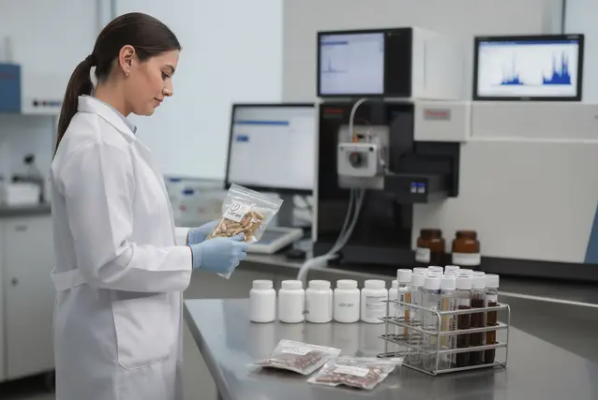
Upon arrival, laboratories inspect sample integrity for tampering, leakage, pH, and specific gravity. The A sample undergoes analytical testing, while the B sample remains stored securely for up to 10 years. Accredited laboratories utilize techniques including liquid chromatography, gas chromatography, and mass spectrometry to identify prohibited substances or metabolites at concentrations as low as 5 parts per trillion.
The ITA manages results on behalf of the IOC. Adverse Analytical Findings prompt simultaneous notifications to the athlete, National Olympic Committee, International Federation, National Anti-Doping Organization, IOC, and WADA.
Athletes possess the right to appeal a provisional suspension and request analysis of the B sample. Case management can involve National Anti-Doping Organizations and, if necessary, escalation to the Court of Arbitration for Sport, which may prolong proceedings due to case complexity and appeal volume.
What Substances and Methods Are Tested For
The WADA 2026 Prohibited List became effective on January 1, 2026, ahead of Milano Cortina 2026. The list includes anabolic agents, peptide hormones and growth factors, hormone and metabolic modulators, diuretics and masking agents, stimulants, narcotics, cannabinoids, glucocorticoids, and beta-blockers.
Regulations specify that some substances are prohibited solely in competition, while others are banned at all times. Beta-blockers and alcohol are restricted only in sports where their effects confer a specific competitive advantage.
Prohibited methods include manipulation of blood and blood components, chemical or physical tampering with samples, and gene and cell doping. Use of carbon monoxide for non-diagnostic purposes was added as a prohibited method for 2026.
WADA maintains a Monitoring Program for substances not currently prohibited but tracked to identify misuse patterns. Substances observed in this program may be added to the Prohibited List if substantiated by evidence.
Why Failures and Delays Sometimes Occur
Laboratory backlogs can prolong result reporting timelines. For instance, laboratory congestion due to the COVID-19 pandemic delayed analysis at Beijing 2022, with some December 2021 samples not reported until after competitions in February 2022.
International shipping of samples requires coordination among several organizations, and involvement from customs, border agencies, and security personnel can lengthen the sequence from collection through analysis. These logistical factors do not affect result validity but may extend analysis timelines. During the Olympics a local laboratory is setup to conduct testing, which minimizes testing delays during the Games.
Legal confidentiality provisions safeguard athlete privacy during results management. Disclosure of potential violations remains confidential until established procedural milestones are met, occasionally resulting in public perception of delay while the process advances.
Appeal rights entitle athletes to request B sample analyses, submit evidence, and seek review through multiple channels, with each stage requiring time for thorough due process.
Pandemic-related constraints, travel limitations, and logistical disruptions may impact testing or sample transport feasibility. Adjustments to procedures have maintained program integrity despite these challenges.
FAQ
How does drug testing work at the Winter Olympics?
Doping Control Officers or chaperones notify athletes without advance warning, after which athletes provide urine or blood samples under observation. Samples are divided into A and B bottles, then transported to a local WADA-accredited laboratory that utilizes advanced detection methods to identify prohibited substances and metabolites.
Who conducts drug testing at the Olympics?
The International Testing Agency implements drug testing on behalf of the International Olympic Committee, and WADA-accredited laboratories analyze the samples. WADA sets regulations and maintains the Prohibited List of substances and methods.
Are athletes tested before competition?
Yes. Out-of-competition testing occurs throughout the year without advance notice. Pre-Games testing initiatives produce testing recommendations directed to International Federations and National Anti-Doping Organizations in advance of the Games.
What happens if an athlete fails a drug test?
An Adverse Analytical Finding prompts notification of the athlete, who may then request B sample analysis. Provisional suspensions are possible, and results management processes incorporate opportunities for appeal to the Court of Arbitration for Sport. If a confirmed positive drug test is reported and adjudicated the athlete would be removed from the Games.
Can drug testing results be delayed?
Yes. Delays can arise from laboratory backlogs, sample transport across international borders, confidentiality requirements, and the multi-stage appeals process, all of which can extend the timeframe from sample collection to case resolution. During the Olympics results are generally reported within several days.
How often are Olympic athletes tested?
Testing frequency depends on individual sport, risk factors, and athlete profiles. Athletes may be tested repeatedly before, during, and after the Olympic Games, with no maximum limit on the number of annual tests.
Is drug testing different at the Winter Olympics vs Summer Olympics?
The World Anti-Doping Code and Prohibited List govern both Winter and Summer Olympics uniformly. Specific substance restrictions may differ by sport, while overall standards and enforcement mechanisms remain identical across both events.
Long-Term Outlook on Winter Olympics Drug Testing
Anti-doping programs continue to evolve in response to advancements in detection technologies and emerging substances. Artificial intelligence models are under development to analyze metabolic pathways and compare findings against each athlete's biochemical profile.
Sample retention periods of up to 10 years enable retrospective analysis as new detection methods become available, enhancing deterrence and minimizing opportunities for rule violations. This is important as a drug that may not be detectable today may be detectable a year or two from now and the new test can be retroactively applied. The introduction of bioconjugates and other advanced methodologies is raising sensitivity and specificity in detection processes.
Organizations with extensive experience in Olympic drug testing regularly update testing protocols and analytical techniques. The winter Olympics drug testing system operates within a framework of international collaboration among WADA, the IOC, ITA, and accredited laboratories to uphold competition integrity.
CERTIFIED CLIENTS
Search by Lot, Product, Brand, Category, or Other Keyword.
Certified Drug Free
Certified Quality
Certified GMP
Certified CBD