NSF Certified for Sport® vs BSCG Certified Drug Free: Key Testing Differences
Jun 26, 2026
NSF Certified for Sport® and BSCG Certified Drug Free are two of the leading international third-party certification programs that test dietary supplements for banned substances. Both programs started in 2004 representing the foundation of dietary supplement certification for banned substances. These programs are distinct, and their differences have implications for users, distribution channels, and required documentation. This comparison provides a factual overview of their testing scope, program structure, transparency, and recognition, enabling brands, athletes, teams, and retailers to make informed decisions about certification based on specific program features.
NSF Certified for Sport® Overview
NSF Certified for Sport® is a third-party certification program for dietary supplements and sports nutrition products. This program screens products for substances prohibited by major athletic organizations, includes label and formulation review, and requires a GMP facility audit. All services must be provided by NSF. Several professional sports leagues in North America, including the NFL, MLB, PGA, and NHL, recognize this certification.
Summary Comparison: NSF Certified for Sport® vs BSCG Certified Drug Free
Both programs reduce the risk of supplement contamination for athletes, military service members, and first responders by testing for banned substances. They differ in the number of substances they screen, public access to testing menus, frequency of testing, and additional quality checks.
BSCG Certified Drug Free draws on more than 30 years of sport drug-testing expertise and screens every product lot for more than 450 substances, including over 400 from the WADA Prohibited List. The program also covers prescription, OTC, and illicit drugs that are not banned in sport, and includes substances required under Amazon’s dietary supplement compliance policies. The full testing menu and reporting thresholds are accessible to the public providing full transparency. A GMP facility audit and verification of label claims and contaminant testing is required but BSCG allows those elements to be fulfilled by other providers making the program network friendly. The program is globally recognized by anti-doping, sport, and dietitian groups including the UFC, NFL, the U.S. Department of Defense Operation Supplement Safety (OPSS), International Testing Agency, Academy of Nutrition and Dietetics, and others.
NSF Certified for Sport® is widely used in North America, with recognition from several major professional leagues. It screens for approximately 290 banned substances, but does not make the testing menu or reporting thresholds available to the public. Frequency of testing is variable with some products testing every lot, and others testing at the brand or NSF discretion. This means that some product lots that carry the seal have not been tested. The program also requires GMP facility audits and label claim and contaminant testing by NSF.
Criteria for Evaluating Sport Supplement Certification
Banned substance certification programs like NSF Certified for Sport® and BSCG Certified Drug Free offer more than just banned substance testing. They also include GMP compliance and assessment of quality control testing and processes. An accurate comparison should consider the following criteria.
Banned Substance Testing Scope
Sport supplement certifications are designed to detect compounds that could result in a positive drug test. This includes analysis for anabolic agents, stimulants, SARMs, beta-2 agonists, masking agents, peptide hormones, and other substances prohibited by relevant regulations. The alignment of the program’s banned substance testing menu with the World Anti-Doping Agency (WADA) Prohibited List and other applicable sport organizations is a critical factor.
Panel size impacts the overall protection provided. As indicated in BSCG's program comparison, differences in testing menus can result in meaningful differences in coverage. the BSCG Certified Drug Free program covers more than 450 substances while the NSF Certified for Sport® program screens for more than 290 substances. This difference in the scope of banned substance testing is a key element to consider as the broader the testing the better the protection.
Quality and Label Claim Review
Banned substance testing and quality verification are separate processes. A supplement may clear banned substance screening but still lack verification of label accuracy, correct ingredient identification, or contaminant screening for heavy metals and pesticides. Brands requiring multiple assurances should verify which checks are part of the base certification and which require additional certification.
Transparency and Documentation
Compliance and quality teams need detailed information, including the testing menu, thresholds, and lot-level data. Publicly available documentation assists teams in understanding what is tested and how findings are managed. Transparency in program details is essential for athletes, dietitians, and consumers as it enables a complete review of the testing and protection provided.
Recognition and Market Suitability
Recognition by sports leagues, military programs, retailers, and healthcare professionals influences the practical value of a certification mark. No certification is universally recognized. Brands should confirm recognition status and verify requirements of specific organizations or buyers.
BSCG Certified Drug Free Program Structure
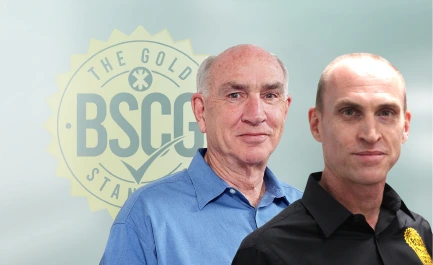
BSCG Certified Drug Free is a third party certification program for dietary supplements and natural products. Founded in 2004 by Dr. Don H. Catlin, Oliver Catlin, and Ryan Connolly, the program builds on more than three decades of sport drug-testing experience at the Olympic and professional level.
The program tests every production lot for over 450 substances, including more than 400 on the WADA Prohibited List and more than 50 prescription, OTC, and illicit drugs not banned in sport. Testing takes place in ISO 17025 accredited laboratories using validated analytical methods.
The program also requires annual review of label claim and contaminant testing and verification of GMP facility certification. The program is network friendly allowing quality testing and GMP audits to be conducted by other qualified laboratories or audit providers.
Testing Emphasis
The testing menu includes substances prohibited by WADA and major sport organizations such as the NFL, UFC, NCAA, MLB, NHL, NBA, CrossFit, and military programs. Including non-sport drugs addresses documented contamination risks. FDA data indicates that around 75% of drugs detected in tainted supplements are not banned in sport, meaning a sport-only panel would not identify these risks. BSCG's broad testing menu addresses both sport drug testing and consumer concerns.
Published Menus and Thresholds
BSCG makes its full banned-substance testing menu available, listing WADA categories, method detection levels, and reporting thresholds. Detection levels for most compounds fall between 2 and 100 ng/g.
Public availability of this detailed information assists quality and regulatory teams in understanding program assessment and findings. BSCG is the only major third-party certification provider to publish this level of information on its website at this time. Transparency allows for public review of testing scope and the protection offered.
Issue Review and Investigation Procedure
If a finding is detected, BSCG's program includes initial screening and confirmation within its standard 10 to 15 business day turnaround. This all inclusive testing process is more efficient and cost effective for certified clients.
NSF Certified for Sport Program Details
NSF Certified for Sport® has longstanding recognition in the North American sports supplement market. This mark has been in use since 2004 and is required or recommended by several leading professional leagues. Brands select this program to meet criteria associated with NSF's standards infrastructure and recognized mark.
Participation in NSF Certified for Sport® requires compliance with NSF Contents Certified and NSF Certified GMP requirements, thereby incorporating label claim and contaminant testing and facility audits along with banned substance screening. For current program scope and substance details, organizations should consult NSF’s official materials.
NSF Banned Substance Testing Scope and Frequency of Testing
NSF Certified for Sport covers more than 290 drugs. This includes substances banned by WADA and other professional leagues or military drug testing programs. Frequency of testing is variable with some certified products testing every lot while other test at the discretion of brands or NSF. This means that some certified product lots that carry the seal have not been tested.
Principal Differences for Brands, Athletes and Consumers
Both certification programs operate as established third-party options. Their methods, scope, and deliverables vary, which affects program suitability for specific brands or use cases.
Anti-Doping Background and Technical Focus
BSCG's foundation is rooted in leadership from the U.S. sport drug-testing laboratory community. Dr. Don Catlin established the UCLA Olympic Analytical Laboratory in 1982 and developed many key methods for detecting performance-enhancing drugs. This expertise and foundation brought the Olympic standard in drug testing to third party certification in 2004.
NSF has been operating as a standard and certification provider since 1944. Originally know as the National Sanitation Foundation the company changed to NSF International in 1990. NSF offers standards and certification for many different types of products and areas including water, plumbing products, restaurant equipment and more. NSF began testing for banned substances in supplement products in 2004, but does not have a background in anti-doping or sport drug testing.
Substance Coverage and Reporting Details
BSCG tests for more than 450 substances, including over 400 WADA-listed compounds, with the full menu and detection thresholds publicly available. No other major provider currently covers more than 290 substances. NSF Certified for Sport® covers more than 290 banned substances, but does not publish full details.
Brand, Retailer, and Athlete Application
Brands serving elite athletes or military personnel may require the broadest substance coverage and documentation that aligns with WADA and comparable policies. Both programs are recognized internationally. Brands focused on online retail should verify compliance with marketplace requirements. The BSCG Certified Drug Free and NSF Certified for Sport® programs are part of Amazon's Compliance Fast Track program.
Considerations for Athletes, Teams, Military Personnel, and Practitioners
End users should confirm both product and lot certification status in the official third party certification program database. Certification reduces, but does not eliminate, risk under anti-doping or military policy frameworks. Only lots that have been tested provide protection against banned substance contamination.
Common Misconceptions About Certification
Certain assumptions about certification programs can lead to suboptimal decisions. The following issues clarify common misunderstandings:
Certification Status and FDA Approval
Third-party certification involves independent testing and evaluation. The FDA does not pre-approve dietary supplements before market entry. Certification provides evidence that a supplement met defined standards at the time of testing but does not constitute FDA review or approval.
Diversity of Clean Sport Certification Methods
Certification programs vary in the substances tested, analytical methods used, detection limits, sampling frequency, renewal protocols, and documentation provided. Certification marks indicate program application but do not detail every aspect of testing or lot coverage.
Limits of Risk Reduction Through Certification
Certification decreases risk but does not eradicate it. WADA FAQs on dietary supplements state that quality assurance schemes help reduce, but cannot eliminate, the risk of inadvertent doping. Formula updates, supplier changes, or emerging substances can alter risk between certifications. Ongoing lot testing and regular certification renewal support sustained risk management.
Key Questions for Certification Evaluation
Testing Scope and Content
- What substances are included in the standard test panel?
- Does the test panel align with WADA and all relevant sports organizations?
- Are all Amazon-required substances included?
- Does the program test for common contaminants such as heavy metals and pesticides?
- Are cannabinoids and THC levels measured where relevant?
Documentation and Compliance
- Is the complete testing menu, including thresholds, accessible to the public?
- Are certified lot numbers available in a public database?
- What type and format of certificates are provided?
- How are findings communicated and documented?
Operations and Timing
- What is the typical turnaround time from sample submission to certification?
- How are changes in formula or packaging managed?
- What is the process and timeline for investigating findings?
- What are the renewal frequency and ongoing requirements?
- What sample quantities are required for each lot?
Frequently Asked Questions
BSCG Certified Drug Free vs NSF Certified for Sport®?
These programs are not identical. Both represent third-party options for supplement certification, but differ in substance coverage, testing menu access, lot management, documentation, and program background. BSCG screens for more than 450 substances and publishes detection thresholds and reporting limits. NSF Certified for Sport® covers more than 290 substances but does not publish its full testing menu so transparency is limited. Both programs include verification of label claim and contaminant testing and GMP facility certification, but BSCG allows those elements to be fulfilled by other reputable industry providers while NSF requires all elements to be done by NSF.
Does certification ensure an athlete will pass a drug test?
Certification significantly reduces the risk of inadvertent doping from supplement contamination but cannot guarantee specific drug-test results. Most anti-doping rules impose strict liability, making the athlete responsible for any substance found in samples. Certification serves as a risk control measure rather than a guarantee of outcome.
How can athletes verify product certification?
Athletes should confirm the product and lot number are listed in the certification provider's database. Only lots that have been tested and are listed offer protection against banned substance contamination. Certification status should be checked to confirm validity.
Certification Selection and Risk Management
Evaluating sport supplement certification should focus on testing scope, transparency, documentation, recognition, and the specific requirements of intended users. NSF Certified for Sport® and BSCG Certified Drug Free differ in banned substance testing scope, frequency of testing, and approach to GMP audits and quality control testing.
Key criteria are the number of substances tested, public availability of testing information, lot management, and the presence of additional quality checks. Brands serving drug tested populations or regulated sales channels should compare both programs thoroughly using the latest available documentation and program specifications.
BSCG offers a program comparison to help athletes, dietitians, military service members, consumers and retailers determine suitability for their risk management objectives.



CERTIFIED CLIENTS
Search by Lot, Product, Brand, Category, or Other Keyword.
Certified Drug Free
Certified Quality
Certified GMP
Certified CBD