BPC-157 Peptide: Benefits, Safety, Legal Status, and Research
Jul 23, 2026
BPC-157 is a synthetic peptide frequently discussed in recovery and biohacking settings, but its popularity does not indicate regulatory approval, demonstrated safety, or permission for use by drug-tested athletes. The compound is promoted online for injury recovery, gut health, inflammation, joint pain, and tissue repair.
BPC-157 is not FDA approved and is classified as an unapproved drug. WADA prohibits BPC-157 under its S0 Non-Approved Substances category. The OPSS lists it on the Department of Defense Prohibited Dietary Supplement Ingredients List.
This review provides educational information. Individuals experiencing injuries, pain, inflammation, or gastrointestinal issues should consult licensed healthcare professionals. The discussion below provides an evidence-based overview of BPC-157, relevant research, and considerations for athletes, military personnel, supplement brands, and consumers regarding its use.
What Is BPC-157 and History of BPC-157
BPC-157 is a synthetic chain of 15 amino acids promoted for recovery and healing benefits. The compound lacks FDA approval and is not considered a lawful dietary supplement ingredient. Products labeled as "research use only" are not sanctioned for human use.
BPC-157 stands for Body Protection Compound 157. According to a published review of the history of BPC-157, the original Croatian scientist who discovered it in 1989 claims that it was derived from a protein present in human gastric juice, however follow up researchers have noted that the amino acid sequence for BPC-157 does not appear in the human genome or gut microbiome, so the natural derivation of it is somewhat in question.
BPC-157 was identified in Croatia in 1989 by Predrag Sikiric. In 1993 the pharmaceutical company PLIVA began research on BPC-157 in concert with Sikiric. Two early stage clinical trials were registered by PLIVA in 2000 but the results were never published. In 2006 PLIVA research was sold to GSX, but GSX abandoned research on the substance. Research from 2006 evaluating the healing potential of the substance in diabetic foot ulcers compared the performance of BPC-157 to Platelet Derived Growth Factor (PDGF-BB) and the approved drug Becaplermin gel (Regranex) did not demonstrate a marked difference between the two therapies. In 2009 marketing rights to BPC were returned to Sikiric. Another clinical trial began in Tijuana in 2015 but it was canceled and there was no published data. Meanwhile the bodybuilding community had become aware of the substance and started to use it around 2010, and it's popularity has skyrocketed since then. In the published review noted above, the American Peptide Society noted that the full protein sequence for the gastric juice protein that BPC 157 derives from was never published by Sikiric and so the work to verify the nature and derivation of BPC-157 was not reproducible.
Markets position BPC-157 for tendon and ligament support, gut health, inflammation, and injury repair. Market availability does not equate to regulatory approval. BPC-157 does not appear in the FDA's database of approved drugs and does not qualify as a lawful dietary ingredient in foods or supplements. Since it was investigated as a pharmaceutical drug previously it would not meet the definition of a dietary supplement as outlined in DSHEA based on the prior drug exclusion restriction.
Online Popularity of BPC-157
Online promotion of BPC-157 stems from its association with recovery, pain, gut health, and tissue support. These claims are not substantiated by robust human clinical evidence. Market demand is predominantly driven by marketing, not verified clinical results.
Peptide clinics, wellness influencers, biohacking communities, and recovery-focused retailers promote BPC-157 for several overlapping health categories. The typical marketing points address muscle, tendon, ligament, joint, gut, inflammation, and pain support.
The target demographic includes athletes seeking faster recovery, gym-goers aiming to train through discomfort, and individuals managing chronic pain or digestive issues. Marketing often capitalizes on these interests.
Significant disparity exists between promotional language and established human research. Online sale and promotion of BPC-157 do not validate its safety, legality, or approval status.
Peptide Classification
BPC-157 is a synthetic peptide by structure; this classification is a chemical description and does not confer FDA approval, lawful supplement status, or acceptability for drug-tested athletes.
Peptides consist of short amino acid chains and vary in medical use, regulatory status, safety profile, and anti-doping designation.
Some peptides have attained FDA approval following clinical trials, like GLP-1 drugs. Others, such as BPC-157, remain unapproved and are distributed outside regulated drug-approval processes. Peptide classification alone does not define legality or appropriate application.
Claims Regarding BPC-157 Benefits
BPC-157 is claimed to support recovery, tendon and ligament repair, gut health, inflammation reduction, and pain relief. These claims lack substantiation from FDA-approved use in humans. Most supporting data originate from animal studies, lab research, anecdotal reporting, or marketing materials.
It is critical to distinguish between animal-based findings and validated human outcomes. Study models in animals do not equate to proven efficacy in people.
Injury Recovery
Promotion of BPC-157 for muscle strain, soft tissue injury, and overall recovery cites animal-model research, including rat studies that report accelerated tissue healing.
Animal results do not equate to demonstrated human benefit. Injury management should rely on medical diagnosis and professional care.
Tendon and Ligament Recovery
Online sources frequently reference animal studies, such as rat models of Achilles tendon injury, to support claims regarding BPC-157 and tissue repair.
There is no evidence supporting use of BPC-157 as a replacement for medical imaging, physical therapy, surgical intervention, or clinician-directed management. No data confirm tendon or ligament healing in humans.
Gut Health
Interest in gut protection arises from preclinical gastrointestinal research, including animal ulcer models. These findings are not accepted as evidence for efficacy against Crohn's disease, ulcerative colitis, IBS, gastritis, ulcers, or "leaky gut" in humans.
Persistent digestive symptoms require medical evaluation and may indicate underlying conditions necessitating evidence-based treatment.
Inflammation
Claims of anti-inflammatory benefits for BPC-157 are broad and largely unsupported. Inflammation is multifactorial and complex.
There is insufficient human evidence to establish BPC-157 as an approved anti-inflammatory agent. Broad marketing claims should be viewed cautiously.
Pain
BPC-157 is discussed in the context of pain management, but no regulatory approvals exist designating it as a pain medication.
Pain often signals a disease process or injury. Masking pain with an unapproved peptide may delay appropriate medical intervention.
Available Research on BPC-157
Research into BPC-157 includes laboratory and animal studies, but reliable human clinical evidence is limited. The lack of controlled human trials distinguishes the marketed claims from the scientific support currently available.
According to OPSS, most promoted benefits of BPC-157 derive from laboratory or animal studies, not from robust evidence of safety or efficacy in humans.
Laboratory Research
Laboratory studies have explored blood vessel formation and signaling pathways in tendon cells, presenting hypotheses about potential mechanisms.
Laboratory findings identify avenues for further inquiry, but do not establish safety or effectiveness in humans.
Animal Studies
Rodent studies constitute the primary data supporting BPC-157, with some research indicating accelerated healing in certain models. Preclinical safety evaluations in animals have reported no lethal dose or significant toxicity at studied concentrations.
Rodent studies cannot be reliably extrapolated to humans due to physiological differences. These studies serve as preliminary research, not as evidence of effectiveness for human use.
Human Evidence on BPC-157 Efficacy
A systematic review (2025) covering 36 studies found no completed controlled human efficacy trials and no comprehensive human clinical safety data. One small human case report documented that 7 of 12 individuals with chronic knee pain reported symptom relief following a single injection, but this does not establish efficacy or safety.
No large, randomized, placebo-controlled trials demonstrate BPC-157's safety or efficacy in humans. Anecdotal evidence and pilot reports do not meet the criteria for robust clinical validation.
Regulatory and Safety Framework
The paucity of human evidence influences BPC-157's regulatory classification. The compound is not FDA approved, is designated by OPSS as an unapproved drug, is banned in sport and included on the WADA Prohibited List Category S0, and is on the Department of Defense Prohibited Dietary Supplement Ingredients List.
FDA Approval Status
BPC-157 is not FDA approved as a drug. Online sale or mention within compounding discussions does not alter this status. The FDA has granted BPC-157 no indication, and it does not appear in the database of approved drugs.
FDA approval requires documented review of safety, efficacy, labeling, manufacturing quality, and proposed use. BPC-157 has not met these criteria.
In September 2023, the FDA placed BPC-157 in Category 2, designating bulk substances that may present significant safety risks if used in compounding. FDA cited immunogenicity concerns, peptide-related impurities, and complexities in active pharmaceutical ingredient characterization as risk factors.
Policy discussions concerning compounding and nomination have continued through 2026. Reference within compounding contexts does not constitute approval. BPC-157 currently has no FDA-approved indication.
BPC-157 is up for review in July 2026 by the FDA Pharmacy Compounding Advisory Committee. On July 23, 2026 the PCAC voted 8 to 6 to place BPC-157 on the 503A Bulk list for compounding pharmacies. It is now up to the FDA to review the recommendation of the PCAC and make a final decision. If placed on the 503A Bulk list it could be legal to compound BPC-157 by licensed compounding pharmacies but interstate commerce would still be limited by the language in the Food Drug and Cosmetic Act, which states that no person or entity shall place an unapproved drug into interstate commerce.
Legal Status in Sale and Use
BPC-157's legal status remains tenuous; availability through online sources or clinics does not indicate safety or regulatory acceptability. Relevant authorities state the following:
- BPC-157 has not been approved by the FDA.
- OPSS defines BPC-157 as an unapproved drug.
- OPSS states it is not legal for use as an ingredient in dietary supplements or related products.
- `Research use only` and `not for human consumption` labels do not sanction human use; these labels are often utilized to facilitate distribution of unapproved chemicals.
Legal status depends on multiple factors including product type, claims, marketing practices, distribution, compounding rules, and jurisdiction. Website listings or clinic menus do not guarantee legal compliance.
Status for Athletes and Military Personnel
BPC-157 is explicitly prohibited for athletes regulated by WADA and appears on the OPSS DoD Prohibited Dietary Supplement Ingredients List.
OPSS lists BPC-157 under WADA S0: Non-Approved Substances. WADA included BPC-157 by name in 2022. The S0 category encompasses pharmacological substances not covered elsewhere and lacking approval from any government health authority for therapeutic use. The substance is prohibited at all times for athletes under WADA governance.
With no approved therapeutic use, BPC-157 is not eligible for a Therapeutic Use Exemption. Major sport organizations, including the NFL and UFC, also prohibit BPC-157.
BPC-157 represents a clear prohibited-substance risk due to its regulatory classification. Drug-tested athletes, tactical professionals, and military service members assume strict liability for its presence irrespective of intent.
Athletes seeking to manage inadvertent exposure risk should preferentially select products verified through independent banned substance testing programs. These certifications offer added risk mitigation, though they do not provide absolute guarantees.
Lack of Standardized Dosage
No standard FDA-approved dosage exists for BPC-157 because the substance is not approved for any medical use. Online dosing charts do not represent medical guidelines.
No clinically validated dosing regimens are available. Preclinical research protocols vary in dosing, species, and target tissue. Unreviewed human doses often extrapolate from animal studies and lack pharmacokinetic or pharmacodynamic validation.
Dosage claims differ by route of administration, including oral, injectable, capsule, nasal, and topical products. These products are unregulated, and it is not possible to verify concentration, purity, labeling accuracy, or sterility for injectable preparations.
Risk Profiles for Various Dosage Forms
Each BPC-157 formulation presents distinct risks. No dosage form obtains regulatory approval by method of administration. BPC-157 is available as injections, oral liquids, capsules, nasal sprays, topical creams, and "research use only" vials.
Injectable Forms
BPC-157 preparations for injection present the greatest risk. Non-sterile manufacturing may introduce contaminants and increase infection risk, and improper concentration can result in dosing errors.
Oral and Capsule Forms
Oral forms may mitigate some injection-specific risks but do not remedy concerns such as legal status, labeling accuracy, purity, or risk for anti-doping violations. Labeling as a dietary supplement does not confer lawful status. Perhaps most importantly to consumers, BPC-157 has poor oral bioavailability and is broken up into amino acids in the gut compromising the effectiveness of oral forms of the substance. Liposomal versions are described as being the most beneficial oral form as they are designed to protect the substance and improve oral bioavailability.
Research-Use Products
Labels such as "research use only" or "not for human consumption" signify unapproved status for human application. These vials are nevertheless marketed to consumers and represent one of the most common forms of the drug. OPSS recommends that Service Members avoid products containing prohibited research chemicals regardless of administration route.
Side Effects and Safety Considerations
BPC-157 is characterized by limited reliable human safety data, and no systematic long-term studies are available. Some sources suggest low risk, but current data do not meet the standards required for approved medications.
Potential and known concerns include:
- Insufficient long-term human safety data
- Undefined dose-response relationship
- Potential immunogenicity risks, particularly for injectable and nasal forms
- Complexities related to peptide impurities and active pharmaceutical ingredient identification
- Contamination and undisclosed or substituted ingredients
- Injection-related risks including infection from non-sterile products
- Unknown interactions with other medications or medical conditions
- Lack of data on use during pregnancy or breastfeeding, which indicates a need for caution
- Theoretical cancer risk due to possible angiogenesis-promotion, though no clinical studies have evaluated this effect
Regulatory databases, including the FDA's FAERS (2021 and 2023) and CAERS, have logged two serious adverse events and one life-threatening event involving BPC-157. Reliance on unapproved compounds may delay appropriate treatment for injuries, pain, or gastrointestinal symptoms. There are more adverse effects noted in online material that are not registered in adverse event databases.
Product Risks
Online BPC-157 products can present significant quality and safety risks, including mislabeling, incorrect concentration, contamination, and non-sterile manufacturing. Such products often lack identity, purity, and contaminant testing. These deficiencies increase risk for end users.
Common risks of online BPC-157 products:
- Inaccurate labeling regarding identity and concentration
- HPLC testing is not able to verify amino acid sequence and are ineffective in verifying the quality of BPC-157
- Contamination with unintended substances
- Impurities and risks due to non-sterile manufacturing
- Lack of batch testing and unreliable certificates of analysis
- Poor storage and handling practices
- Promotional claims inconsistent with regulatory requirements
- Use of "not for human consumption" labels despite consumer-focused marketing
OPSS recommends that Service Members refrain from using research chemicals or any product containing prohibited ingredients. Consumers reviewing dietary supplements may benefit from consulting independent supplement certification and ingredient advisory resources to identify potential contamination and unapproved substances.
BPC-157 and Dietary Supplements
OPSS clearly states BPC-157 is not legal for inclusion in dietary supplements or any finished product. BPC-157 does not meet the DSHEA definition of a dietary ingredient and cannot be marketed as such.
Despite ongoing online sales of BPC-157 in supplement-type packaging, these products do not comply with U.S. regulatory standards. This poses risks for consumers, brands, retailers, and athletes. Visual presentation as a supplement does not alter its regulatory status.
Phrasing That May Obscure Regulatory Status
Labeling language that may mislead includes:
- "Recovery peptide"
- "Wellness peptide"
- "Research peptide"
- "Research use only"
- "Not for human consumption"
Compliance Risks for Brands and Retailers
Products containing BPC-157 generally do not comply with FDA standards and may expose brands to regulatory action, including warning letters. Use of unapproved substances creates compliance, safety, and trust challenges.
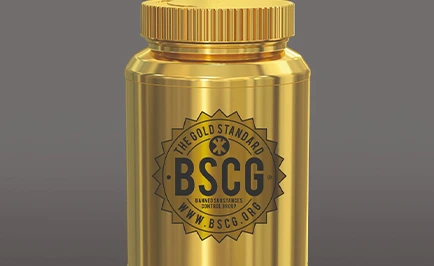
Third-party testing and certification assist in risk management but do not authorize use of unlawful ingredients. For example, BSCG Certified Drug Free screens products for over 450 banned substances, with recognition from major sports and governmental bodies as a tool to limit inadvertent exposures, but does not accept unapproved peptides for certification due to the unregulated status of the substance.
Comparison with Other Peptides
BPC-157 differs from other peptides in its evidence base, legal standing, safety profile, and anti-doping status. Classification as a peptide does not create a uniform regulatory or safety situation across compounds. The following comparisons serve informational purposes.
TB-500 Comparison
BPC-157 and TB-500 are both marketed for recovery and injury repair, but each raises separate regulatory and anti-doping issues. TB-500 is classified under growth factors by WADA, while BPC-157 falls under S0. Neither is FDA approved or permitted as a dietary ingredient.
KPV Comparison
KPV is associated with gut and inflammation research, while BPC-157 is more frequently highlighted for recovery and soft tissue applications. Both have been discussed in regulatory compounding contexts. Neither holds FDA approval. KPV is confirmed to be natural present as a component of a-MSH, while the natural derivation of BPC-157 is unconfirmed.
Collagen Peptides Comparison
Collagen peptides are lawful dietary ingredients. BPC-157 is an unapproved drug and prohibited peptide. The presence of letter/number designations in a peptide name may indicate an experimental, non-approved compound.
Use Recommendations for Consumers and Athletes
BPC-157 is not recommended for drug-tested athletes, military service members, or safety-conscious consumers because it is unapproved, prohibited under WADA S0, and associated with product quality concerns. Its activity claims are not supported by equivalent human evidence.
Individuals seeking care for injury, pain, inflammation, or gastrointestinal symptoms should work with licensed healthcare professionals and should consider quality and regulatory concerns when considering unapproved experimental compounds.
Summary for Athletes, Military Personnel, and Consumers
- BPC-157 is a synthetic peptide promoted for recovery, gut health, inflammation, and injury-related use.
- BPC-157 is not FDA approved.
- The OPSS classifies BPC-157 as an unapproved drug.
- WADA prohibits BPC-157 under S0 Non-Approved Substances.
- The compound is on the Department of Defense Prohibited Dietary Supplement Ingredients List.
- BPC-157 is not a lawful dietary supplement ingredient.
- Most claims regarding benefit rely on animal or laboratory research.
- No FDA-approved dosage exists.
- All forms of BPC-157 (injection, oral, encapsulated, research-use) pose potential safety and compliance risks due to quality inconsistency and lack of regulation.
- Drug-tested athletes and Service Members are advised to avoid BPC-157.
Frequently Asked Questions
What is BPC-157?
BPC-157 is a synthetic peptide, 15 amino acids in length, promoted for recovery and healing-related claims. It is not FDA approved and has not been proven to occur naturally in the body.
Is BPC-157 a peptide?
BPC-157 is a synthetic peptide. Chemical classification as a peptide does not determine legal, safety, or approval status.
What are the claimed benefits of BPC-157?
Claims involve recovery, tendon and ligament support, gut health, inflammation reduction, and pain management. These are not FDA-approved indications and generally rely on animal or laboratory studies.
Is BPC-157 FDA approved?
BPC-157 is not approved by the FDA; no approved indications are recognized, and the compound does not appear in the FDA's drugs database.
Is BPC-157 an unapproved drug?
BPC-157 is classified as an unapproved drug, not authorized for prescription or over-the-counter sale.
Is BPC-157 banned by WADA?
BPC-157 is designated as prohibited under WADA S0 Non-Approved Substances and is banned for athletes under WADA jurisdiction at all times.
Can athletes use BPC-157?
BPC-157 is not eligible for athlete use under WADA or major league rules and does not qualify for a Therapeutic Use Exemption.
Is BPC-157 legal in supplements?
The OPSS states that BPC-157 is not legally permitted for use as an ingredient in dietary supplements or related products.
What is the standard BPC-157 dosage?
No standard, FDA-approved dosage exists. Dosing information from unregulated sources lacks clinical validation.
Are BPC-157 injections safe?
Injectable BPC-157 products present risk factors, including concerns related to sterility, contamination, dosing error, and lack of regulatory oversight.
Are oral BPC-157 capsules safer than injections?
Oral capsules mitigate some injection-specific risks but remain subject to regulatory, labeling, purity, and anti-doping concerns. Packaging as a supplement does not confer lawful status.
Where can athletes check whether an ingredient is prohibited?
Athletes should reference the WADA Prohibited List, Global DRO, and reputable third-party certification or advisory resources to confirm the status of ingredients or products.
Contextual Summary
BPC-157 is an unapproved peptide with no recognized therapeutic indication, regulatory approval, or established human evidence for efficacy or safety. Its popularity does not correlate with scientific validation or legal status. WADA and OPSS prohibit its use for athletes and military populations. No standardized dosage exists, and various product forms present regulatory and quality risks. Oral forms are generally not bioavailable according to established knowledge on the substance, liposomal formats may improve oral bioavailability.
When evaluating dietary supplements, athletes, consumers, and brands should reference reputable sources for ingredient safety, prohibited status, and product verification. Clinical concerns relating to injury, pain, inflammation, or gastrointestinal symptoms are best addressed by qualified healthcare providers.
CERTIFIED CLIENTS
Search by Lot, Product, Brand, Category, or Other Keyword.
Certified Drug Free
Certified Quality
Certified GMP
Certified CBD