How to Read a Supplement COA: Results and Red Flags
Sep 14, 2026
Reviewing a supplement Certificate of Analysis (COA) objectively determines product quality and transparency. While the document may appear technical, a limited set of fields establishes whether a COA provides relevant information for quality assessment.
To confirm COA validity, verify these items:
- Specific product, ingredient, or lot covered by the report
- Lot or batch number matching the product
- Test results presented alongside their respective specifications
- Test methods used
- Identity of the laboratory and the requesting entity
- Report date and any listed expiration or retest dates
A supplement COA specifies what was tested and documents the findings. A COA complements, but does not replace, a full quality system, GMP compliance, or third-party certification. Treat the COA as one form of documented evidence among several required for comprehensive quality assurance.
Supplement COA Definition
A supplement COA documents laboratory test results for a dietary supplement, ingredient, or lot. The COA matches tested items with required specifications. It commonly reports results for identity, purity, strength and potency, composition, label claims and contaminants such as heavy metals, pesticides, or microbial agents, alongside methods and limits applied in each case.
Relevance of a COA for Dietary Supplements
A COA offers documented test results that confirm both what was tested and the measured outcome. Connecting a specific lot or sample to quantitative evidence of quality is an established practice for quality assurance.
A COA addresses these core needs:
- Identity verification of ingredients
- Label claim verification concerning active ingredient amounts
- Contaminant review for heavy metals, microbes, pesticides, or other residues
- Lot tracking associating results with batch-specific production
A COA informs, but does not guarantee, safety or regulatory compliance. According to BSCG, a specification sheet lists what ought to be in a product, while laboratory testing documents what is present. Comprehensive quality management relies on supplier controls, compliance with current Good Manufacturing Practices (GMP), and representative product testing.
Critical Information to Verify on a COA
Begin evaluation by confirming product and lot identity before interpreting test results. Reliable COAs directly link the report to the product, ingredient, batch, or lot in question. Missing identification details undermine COA relevance, even with favorable results.
Product Name and Lot Number
Locate the product name, (SKU if available), batch number, lot number, and sample description. Ensure that the COA refers specifically to the lot or batch under review. Finished product COAs and raw material COAs differ; raw material reports concern ingredients prior to manufacturing, not the final product.
Company and Laboratory Information
Identify the name and address of the testing laboratory. Note the manufacturer, brand, or supplier if provided. The distinction between independent, in-house, supplier, or manufacturer-conducted testing should be noted, as this influences interpretation of results.
Report and Sample Dates
Confirm the sample received date, test completion date, report date, and any expiration or retest date. Outdated COAs may not reliably indicate the status of current inventory. Products or ingredients prone to degradation require special attention. COAs older than six months may merit additional review.
Authorized Signature or Report Status
A completed COA should display an authorized signature, certificate or report number, approved status, or electronic approval. Draft or incomplete reports are subject to revision and should not be deemed final. Reports that are altered, cropped, incomplete, or missing pages may obscure critical details.
Interpreting COA Results and Specifications
Convert COA information into actionable conclusions by comparing each result to its specified acceptance criteria. Ensure test methods, units, and sample identification correspond to the product in question. A reported "pass" only holds meaning if aligned with appropriate testing and legitimate specifications.
Result Versus Specification
The stated result reflects laboratory findings. The specification defines the acceptable range, minimum, maximum, or limit for compliance. Results may be numerical, qualitative, or presented as pass/fail. For example, a potency test may compare a measured value to a minimum specification. BSCG’s Certified Quality Program includes annual testing for label claims in relation to established specifications.
Units and Abbreviations
Carefully review units such as mg, mcg, ppm, ppb, CFU/g, percent, or mg/serving. Variations in serving size, dose, or sample mass can affect interpretation. Always compare values within the context of their units; numeric results alone lack context.
Result Indicators: Pass, Fail, Not Detected, Below Limit
- Pass results satisfy the stated specification
- Fail results do not meet specifications
- Not detected (ND) indicates the analyte was not present above the detection limit
- Below limit or "less than" refers to analytes measured below a specified reporting threshold
Detection limits depend on laboratory sensitivity; a result of "not detected" reflects the lab’s detection capability, not absolute absence.
Test Method and Method Suitability
Assess the provided method name, laboratory method number, compendial reference, or analytical instrument. Test methodology should be appropriate for the ingredient or finished product. Testing complex formulations is more challenging than single ingredients. BSCG applies methods and limits from AHPA, AOAC, USP, and others, using techniques such as LCMS, GCMS, ICPMS, and HPLC, executed in ISO/IEC 17025 accredited laboratories.
Common Tests in Dietary Supplement COAs
Dietary supplement COAs routinely include tests for identity, potency, label claim, microbial load, heavy metals, pesticides, residual solvents, and, in certain contexts, banned substances. Sampling and testing should align with the product type, ingredient risk, serving form, and intended market. Brands may conduct different test panels for raw materials and finished products.
Identity Testing
Identity testing confirms ingredient authenticity, using methods specific to botanicals, amino acids, vitamins, or minerals. This is crucial for raw material verification and higher-risk ingredients. FDA's cGMP rules, under 21 CFR Part 111, require at least one identity test for each dietary ingredient.
Potency and Label Claim Testing
Potency testing determines if active or marker compounds are at expected levels. This applies to vitamins, minerals, amino acids, botanicals, cannabinoids, and other compounds. The validity of label claim testing is highest when performed on the finished product lot, not solely raw materials.
Microbial Testing
Microbial analysis may include total aerobic count, yeast and mold, E. coli, Salmonella, and other organisms. Products containing botanicals, powders, or moisture-sensitive ingredients may require enhanced scrutiny. Specification limits should be referenced directly when interpreting microbial test results.
Heavy Metals Testing
Heavy metals testing commonly covers lead, arsenic, cadmium, and mercury. As outlined in USP General Chapter <2232>, these four elements are focal points. Compliance thresholds differ by product type, serving size, and regulatory region. Plant, mineral, and marine ingredients are more likely to require closer review, as these elements occur naturally.
Pesticides and Residual Solvents
Pesticide analysis is essential for botanical, agricultural, hemp, and plant-based ingredients. Testing for residual solvents is necessary following extraction or chemical processing. Acceptable limits vary by substance, product form, and applicable standard.
Banned Substance Testing
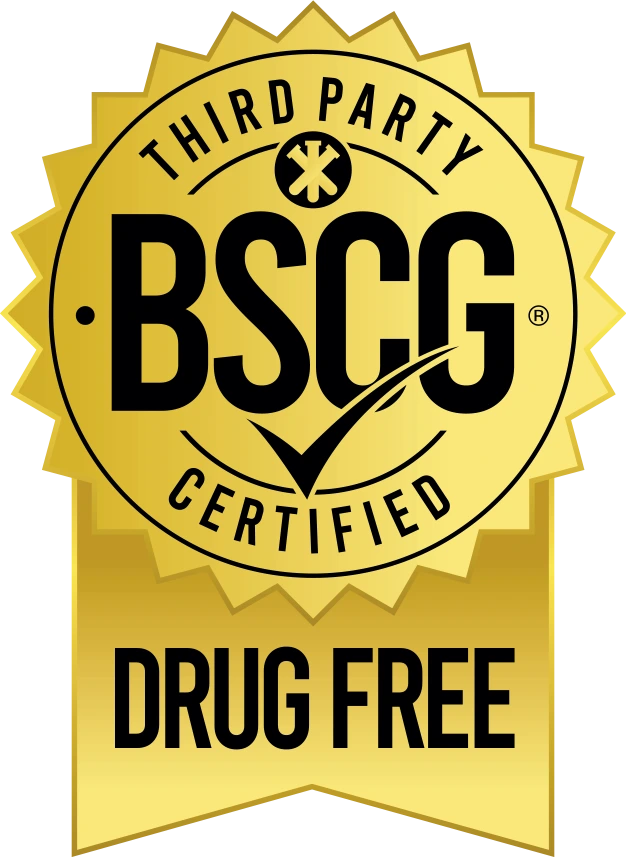
Banned substance screening is applicable for products intended for athletes, military personnel, tactical users, or drug-tested consumers. Standard supplement COAs do not cover substances prohibited in sport. The WADA Prohibited List and similar sports organization lists define these banned substances. BSCG’s Certified Drug Free program screens for approximately 450 substances, including about 400 that are prohibited in sport, meeting athlete-specific requirements.
Red Flags When Reviewing a COA
Inadequate or incomplete COAs demonstrate several warning signs, including missing lot or batch details, ambiguous or missing test methods, outdated documentation, unclear laboratory identity, incomplete result pages, or reports inconsistent with the product being sold. The presence of red flags does not inherently indicate product risk but does necessitate additional review.
Missing or Mismatched Lot Details
The COA lot number must align with the product, ingredient, or production record under review. Supplier COAs may not represent finished products, and each COA pertains only to the specific lot for which it was issued.
Unclear Test Methods
Statements such as "tested," "verified," or "approved" require supporting methodological detail. Effective COAs disclose both the items tested and the analytical methods used, allowing sound interpretation of the results.
Summary-Only Results
Summary findings, such as pass/fail indicators, should be accompanied by detailed specifications, units, methods, and detection limits. Summarized COAs benefit from supporting laboratory reports to facilitate comprehensive review.
Internal-Only Testing
In-house laboratory analysis contributes to an internal quality system. Independent, third-party testing supplies additional verification. The appropriate approach depends on the product’s risk profile and specific buyer or regulatory requirements.
Distinction Between COA and Third-Party Certification
A COA serves as a test report for a defined sample or lot, whereas third-party certification encompasses a broader program involving predetermined standards, structured testing, and certification requirements.
COAs as Evidence for Specific Lots
COAs provide empirical data verifying the characteristics of particular ingredients, products, or batches. This supports traceability for production records, supplier approval, customer documentation, and release decisions. However, COAs do not independently confirm adherence to every manufacturing control. BSCG notes that while testing assesses the outcome of a process, process quality itself depends on strict manufacturing standards.
Certification as Comprehensive Review
Certification may encompass test panels, label review, documentation audit, and facility inspection, depending on program specifics. For example, BSCG’s Certified Quality program reviews identity, label claims, and contaminants, while Certified Drug Free addresses banned substance risks for drug-tested users. BSCG also includes COA analysis in its Certified GMP program for brands.
Combined Use Cases for COAs and Certification
Brands often deploy COAs for lot release and certification for third-party assurance. Athletes may seek certification programs addressing banned substances. Retailers and large buyers may require both COA documentation and certification status as a condition for purchase.
Practical Guidance for Brands, Athletes, and Consumers
Brands, athletes, and consumers use COAs to verify product identity, review test outcomes, determine gaps, and evaluate the need for additional testing or certification, matching the test coverage to their defined risk profile.
Brands and Quality Assurance Teams
Compare COA findings to established product specifications and requirements. Periodically corroborate supplier COAs with independent laboratory testing where warranted. Maintain COAs as integral components of batch records, supplier approval processes, and release decisions. U.S. FDA cGMPs under 21 CFR Part 111 require maintenance of receiving records and test documentation for quality record keeping.
Athletes and Military Personnel
Standard COAs may not address banned substances. Athletes and military professionals should rely on programs specifically aligned with WADA and comparable sports-related prohibited lists. BSCG's Certified Drug Free provides such testing, but no certification confers absolute assurance; certification mitigates rather than eliminates risk.
Consumers and Healthcare Practitioners
Ensure that COAs correlate with the specific product and lot under consideration. When feasible, request finished product testing in addition to raw material testing. Seek clarification from the brand if COAs are missing product, lot, result, laboratory, or date information. Set realistic expectations for COA scope and detail, as available documentation may vary.
Frequently Asked Questions
Is a COA required for every dietary supplement?
Manufacturers are required to maintain appropriate quality records and testing documentation under FDA dietary supplement cGMPs, but public COA disclosure on every product page is not mandated. Internal record keeping and public transparency are separate considerations.
Does a COA validate supplement safety?
A COA contributes to product review by detailing test scope, sample identification, and specification limits. However, it cannot fully establish product safety in isolation.
Can a COA be counterfeit or altered?
COA documents may be incomplete or altered. Confirm report numbers, laboratory identity, authorized signatures, and dates. Laboratories should be able to validate any questionable reports.
Should consumers request a COA from a supplement brand?
Requesting a COA is appropriate, especially for higher-risk product categories. Some brands may provide summarized or certification records as alternatives to full laboratory reports; these may still support informed review.
Difference between a COA and a specification sheet
A specification sheet lists established acceptance criteria and limits. A COA documents actual test results for a lot, sample, or ingredient relative to those criteria.
Summary: Informed COA Interpretation Enhances Supplement Quality Decisions
Accurate evaluation of supplement COAs begins by verifying the report’s relevance to specific products and lots. Once confirmed, comparison of test results with specifications, as well as review of methods, dates, and laboratory identification, forms the basis for acceptance. COAs are valuable tools but remain limited by their scope and the direct relevance of the tested sample. Consistency of information, inclusion of methods and units, and current documentation status all influence the reliability of the COA. Where COA review is deemed insufficient, independent testing or third-party certification may be warranted. For reference material on independent testing and certification, detailed information is available through BSCG’s supplement certification, Certified Quality, and Certified Drug Free resources.
CERTIFIED CLIENTS
Search by Lot, Product, Brand, Category, or Other Keyword.
Certified Drug Free
Certified Quality
Certified GMP
Certified CBD