Is It Safe to Buy Supplements from Amazon? A Clear Guide for Customers
Jan 26, 2026
Purchasing supplements from Amazon presents a balance between platform convenience and exposure to documented instances of counterfeit products, adulterated formulas, and inaccurate labeling. Amazon has established compliance requirements in response to quality concerns, but investigations continue to identify illegal drugs, experimental compounds, and mislabeled supplements available for sale. The platform represents a substantial portion of online supplement sales and has received repeated FDA warning letters regarding adulterated supplements, especially in the weight loss, sexual enhancement, and sports nutrition categories. They represent the broader issues in the industry in a nutshell.
Analysis of Amazon’s compliance infrastructure and independent investigations provides evidence of both consumer protections and existing gaps. Determining the safety of purchasing supplements from Amazon depends on product vetting rigor and the presence of verifiable third-party certification and testing that address the safety concerns.
Amazon Supplement Safety: Key Considerations
The central concern regarding Amazon supplement safety involves verification of lawful ingredients and labeling, testing for contaminants and hidden drugs, and compliance with FDA regulations like current Good Manufacturing Practices (GMP) and Amazon policies. The ongoing risk relates to past cases of steroids, SARMs, peptides, and other doping agents being sold as supplements as well as series of FDA warning letters highlighting the concerns. Amazon has responded by enforcing more stringent but variably applied quality and compliance requirements for dietary supplements and has started to require informed third-party verification for improved consumer safety as well as adding testing requirements in high risk categories.
Common Risks Associated with Online Supplement Purchases
Certain risks recur across large online marketplaces like Amazon. Illegal and unapproved drugs continue to masquerade as supplements and sellers constantly find new ways to categorize products to avoid scrutiny and compliance checks. Various reports and studies have noted the presence of steroids, designer steroids, SARMs, unapproved peptides and other concerning substances available on Amazon, that are not legal to sell as dietary supplements and are also banned in sport, military and other drug testing programs. These substances have been sold often without transparent identification as banned substances.
Research chemicals and unapproved peptides now marketed for human use pose additional risks. Many of these are still developmental drugs, not legal dietary supplements, but appear on Amazon as research chemicals, lab reagents, capsules, and powders closely resembling legitimate supplements while operating outside GMP and supplement quality-control requirements.
Instances of contamination, mislabeling, and counterfeiting remain significant. A JAMA Network Open study found inaccurate labels on 17 of 30 immune-supporting supplements purchased on Amazon, with 13 misbranded and 9 containing undisclosed components. Research from the University of Mississippi and Uniformed Services University indicated that only 13 of 30 supplements tested matched their labels, revealing a 57% inaccuracy rate.
Amazon’s commingled inventory system pools goods from multiple sellers wholesale in shared warehouse bins. As a result, consumers may receive a counterfeit item despite ordering from a verified seller due to fulfillment proximity practices. Counterfeit supplements are a huge problem now in the industry as shady sellers try to capitalize on the success of brands and products by selling knockoff products in similar packaging.
Misleading marketing and unsupported health claims complicate product assessment. Products are sometimes positioned to imply controlled or psychedelic effects despite differing compositions. This marketing style may obscure actual ingredients and credibly documented effects. Misleading advertising remains a persistent issue in the supplement sector.
Regulatory authorities, including the FDA, do not require pre-market approval for dietary supplements and instead perform post-market surveillance as resources allow. This structure places the burden of quality and safety on supplement manufacturers. From 2007 to 2016, the FDA documented 776 adulterated dietary supplements from 146 companies, mainly targeting sexual enhancement, weight loss, and muscle building.
Assessing Quality Indicators in Amazon Listings
Certain product and listing attributes provide key insights when evaluating Amazon-purchased supplements. Clear and compliant dietary supplement labeling with a Supplement Facts panel and defined identity statement is an essential compliance standard. Product listings employing drug-like or psychedelic framing, failing to clearly represent supplement identity, or relying on proprietary blend terminology without disclosure of key ingredients demand careful scrutiny.
Avoiding product names and claims associated with controlled substances aligns with Amazon’s own compliance checklist. Labels should not directly or indirectly claim effects parallel to controlled substances or prescription drugs, nor use branding likely to cause confusion with controlled substances. Naming conventions and taglines mirroring drug identities indicate compliance risk within Amazon’s defined rules.
Manufacturing in GMP-audited environments and evidence of contaminant testing represent supplementary assurance of quality. As of December 2025, Amazon requires dietary supplement sellers to provide verification that products are manufactured in facilities that have been audited and hold third-party certification for GMP compliance.
Third-party certification, confirmed by public database entries, provides a transparent barometer of quality. Independent third-parties verify GMP compliance and also may conduct additional testing for banned substances, environmental contaminants, and label claims. Each certification program maintains a public database to verify certification status.
Verification of Third-Party Testing Credentials
Independent certification functions as a substantive mechanism for supplement verification. Some programs focus only on GMP compliance while other programs including testing finished product lots to confirm the absence of banned substances, environmental contaminants and label claims. Third party certification may include one, two, or three of these elements.
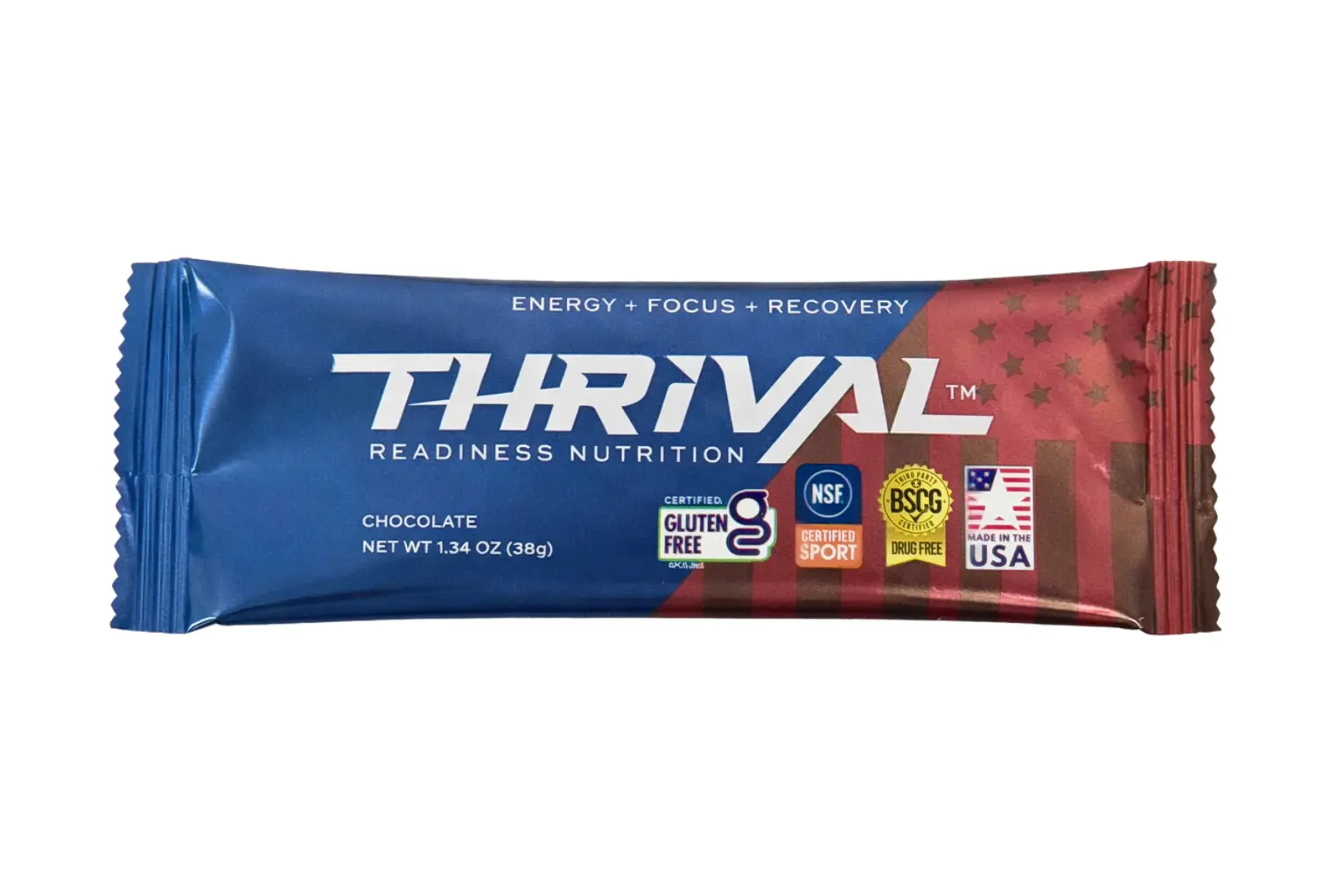
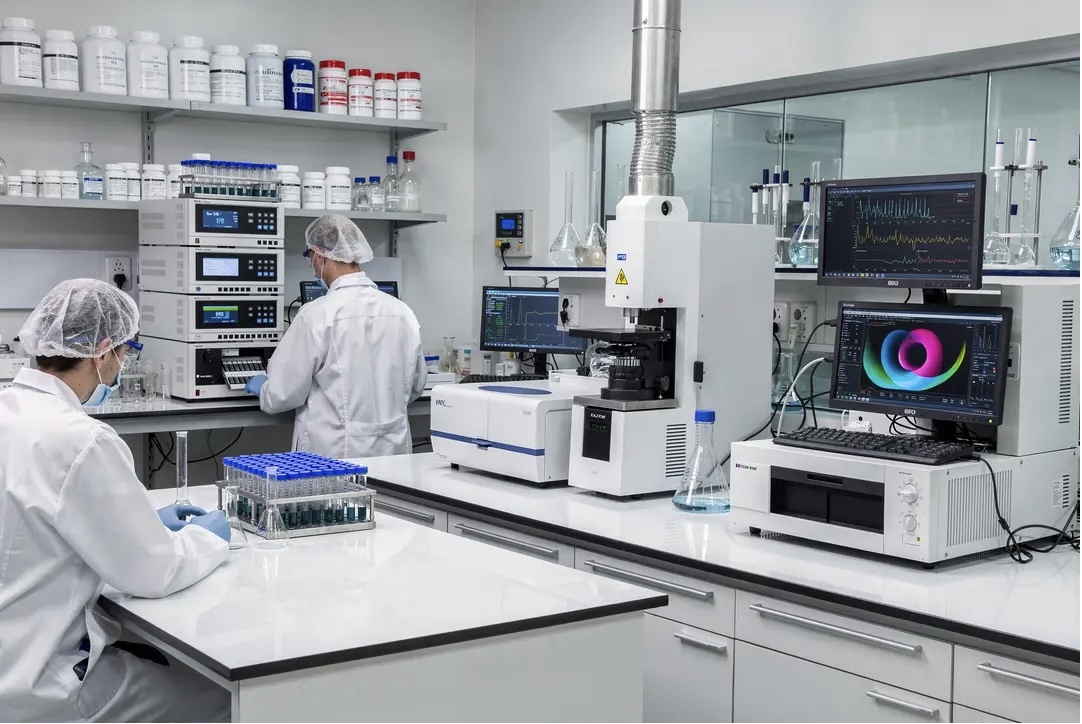
Programs including BSCG Certified Drug Free analyze product lots for an extensive array of over 450 banned substances, encompassing all active pharmaceutical ingredients required to be tested by Amazon in the high risk categories of sports nutrition, weight loss, joint health, and sexual enhancement supplements. These tests use sensitive mass spectrometry and encompass substances posing consumer and risk to athletes from banned substances on the WADA Prohibited List. The program also includes a requirement for manufacturers to be GMP certified and annual review of testing to verify product specifications and quality.
The BSCG Certified Quality program was built for retail compliance. It combines verification of GMP certification for manufacturers with annual testing for banned substances, label claims, and contaminants. An initial review process evaluates ingredient compliance, product claims, and FDA labeling requirements.
BSCG's comprehensive certifications align with Amazon’s heightened scrutiny of supplement product compliance and testing. Program test menus cover the substances required under Amazon policy in high-risk categories, serving both compliance and consumer safety objectives. Both programs are also part of Amazon's Compliance Fast Track enabling certified products to be expedited through Amazon compliance.
Transparency, including published testing menus, detection limits, and test frequency, supports credible certification. Major programs like BSCG maintain public databases for certified products and specific lots to facilitate direct verification by stakeholders, including athletes, military service members, and first responders.
The BSCG Certified product database catalogues four years of lot-specific results and includes warnings that lots not listed have not undergone testing. Listing absence for a brand indicates non-participation or possible removal for non-compliance. This level of detail provides direct consumer verification of certification.
No independent certification program can guarantee complete absence of banned substances. Certification substantially reduces risk but applies exclusively to tested products and lots; consumption of untested lots involves unmitigated risk. Third party certification can help verify is it safe to buy supplements from Amazon.
Regulatory Structures and Amazon Seller Compliance
Regulatory limitations primarily set the foundation for supplement safety. Agencies including the FDA do not conduct pre-market review for supplements, relying predominantly on post-market interventions focused on unlisted drugs or contamination. This situation places most responsibility with manufacturers and brands, and conventional quality control testing is not designed to detect undisclosed pharmaceutical adulterants.
Amazon’s compliance framework has changed incrementally in response to identified safety incidents. The platform’s history of adulterated supplement sales has prompted FDA warning letters and led to expanded requirements for GMP audits and contaminant and label claim testing, with additional testing for known pharmaceutical adulterants in high-risk categories.
Amazon's compliance policy for high risk products covers sports nutrition, joint health, weight management, sexual enhancement, and bodybuilding supplements. Policy requirements include GMP-audited manufacturing, contaminant screening for heavy metals, microbiological agents, pesticides when relevant, content verification within federal regulatory tolerances, and targeted testing for adulterants as described in NSF/ANSI 173-2024. Approved Testing, Inspection, and Certification entities conduct compliance verification.
Despite the presence of defined platform rules, consistency of enforcement remains uneven. Non-compliant and high-risk products persist in reaching consumers by work arounds. Media-driven audits have resulted in the removal of certain non-compliant products, such as peptides; however, algorithmic controls are not universally implemented to prevent relisting. Peptides marketed as research chemicals fall outside established FDA categories and supplement GMP requirements, presenting ongoing quality assurance limitations.
This regulatory and enforcement environment produces improved safety in high-focus categories, with persistent risks that remain despite best efforts.
Scrutinizing Seller Credibility and Product Claims
Several recurrent themes support more rigorous scrutiny of sellers and the legitimacy of marketing claims. Substances presented as dietary supplements that in fact comprise designer steroids, SARMs, or other doping agents are not aligned with regulatory definitions. Documented cases show these products can be obtained through Amazon under benign branding, or through alternative categories like laboratory chemicals, and even hairspray.
Extravagant or non-specific claims merit rigorous evaluation. Products whose branding, formulas, and dosage directions suggest implausible effects should be regarded with skepticism consistent with best regulatory and scientific practices. Responsible supplement marketing necessitates accuracy, transparency, and established evidence.
Accurate and transparent labeling provides a primary compliance marker. Low-cost or low-quality supplements sometimes feature false label claims, excess non-nutrient additives, or lack the stated active ingredients outright. Failure to present clear dietary supplement identification, reliance on generic proprietary blend terminology, or inclusion of drug-comparison claims, which Amazon policy prohibits, signal additional compliance risks.
Verification of claimed third-party certification against public databases remains fundamental. Legitimate third-party certification—whether by BSCG, NSF, Informed Sport, or similar programs—requires product and lot documentation in the program’s official public database. By definition, independent testing enables such third-party verification.
Limitations of Amazon Supplement Purchases
Amazon’s present quality control measures have improved, especially for high-risk supplement categories, but coverage remains incomplete and workarounds are common. The newer policies promote improved control over sports nutrition, weight loss, bodybuilding, and sexual enhancement products, requiring GMP production, label accuracy, and screening for designated adulterants.
Experimental peptides continue to be sold as research chemicals, injectables, capsules, and powders outside supplement GMP compliance frameworks. Products in regulatory gray areas and those with marketing or labeling misaligned with FDA and Amazon requirements continue to be listed and sold on the platform.
Observations confirm ongoing presence of high-risk products, indicating enforcement challenges. Amazon has previously served as a supply source for performance-enhancing substances, such as prohormones and designer stimulants, resulting in FDA enforcement actions. Current trends involve wider distribution of peptides lacking approval, comprehensive safety data, and manufacturing quality control.
Storage and distribution practices at Amazon introduce additional considerations. Fulfillment centers are commonly not climate-controlled, and temperature fluctuations during storage and shipment can compromise supplement integrity and bioavailability. Many formulations require stable, climate-controlled conditions to maintain potency and quality.
Certification significantly reduces risk in tested lots but does not confer absolute safety. Coverage applies only to screened product lots. No certification program guarantees complete elimination of banned substance or contaminant risks.
Conclusion on is it Safe to Buy Supplements from Amazon
Purchasing supplements from Amazon is safest when compliance requirements are corroborated by independent, lot-specific third-party certification. Supplement safety has been improved by recent compliance efforts. Nonetheless, risks persist in the absence of rigorous product verification and documentation.
Amazon mandates GMP audit, contaminant and label-claim testing, and targeted screening for pharmaceutical adulterants in defined high-risk categories. Certification programs such as BSCG Certified Drug Free and Certified Quality formally align with these compliance standards and may facilitate streamlined fulfillment of Amazon’s requirements while broadening the scope of testing.
Investigation results and compliance constraints indicate that illegal steroids, SARMs, peptides, and unspecified products have been and, in some cases, remain available on Amazon as dietary supplements or research chemicals. The combination of absent FDA pre-market approval and limited retailer enforcement precludes a wholly risk-free supplement purchasing environment.
The responsibility for safety rests on product vetting and verifiable third-party certification rather than reliance on the retail platform alone. Products should display legal dietary supplement labeling, avoid drug-resembling names and excessive claims, and support credible third-party certification with accessible lot-level documentation. Determinations regarding Amazon supplement safety benefit from procedures grounded in verification and compliance evidence. Consumers should be aware of the risks and look to third-party certification for added security.
FAQ
Does Amazon test all supplements it sells?
Amazon has implemented a dietary supplement compliance policy that requires supplements in high-risk categories to be manufactured in GMP-audited facilities and tested for label conformity, contaminants, and listed adulterants by third-party Testing, Inspection, and Certification providers. Amazon does not serve as a universal testing facility for all supplements on its platform.
Are all supplements on Amazon legal dietary supplements?
Investigations indicate that not all supplements offered are lawful dietary supplements. Examples include availability of steroids, designer steroids, SARMs, and unapproved peptides labeled as dietary supplements or research chemicals that fall outside permitted ingredient scopes. Many of these are sold in categories like laboratory chemicals to avoid scrutiny.
How is independent testing verification confirmed?
Independent testing is demonstrated by a third-party certification seal and verification in the certification provider’s public database. Searchable databases provide confirmation of certified products and lots. Absence from the database means a product lot has not been tested.
Do Amazon’s new policies eliminate the risk of tainted supplements?
Amazon’s dietary supplement policies significantly reduce risk within regulated categories but do not entirely eliminate it. Research chemicals, peptides, and products with misleading claims remain present, and independent certification programs cannot guarantee quality or the complete absence of banned substances.
Why is third-party certification relevant for non-athletes purchasing supplements on Amazon?
Hidden drugs and adulterants affect broader consumer safety, not solely athletic anti-doping concerns. Comprehensive certification includes screening for prescription, over-the-counter, and illicit drugs not necessarily banned in sport, providing relevant protection across consumer groups. Such programs also include key element like GMP compliance and verification of quality control testing adding additional safeguards for consumers.
If a supplement is third-party certified on Amazon, is it completely safe?
Third-party certification involves verification of GMP compliance or testing finished products for banned substances, or quality specifications. Consumers need to evaluate the certification program details to ensure they are getting the protection they expect. Certification substantially reduces, but does not eliminate, the likelihood of banned substances or contaminant presence. No certification program can guarantee total product safety but they do substantially reduce the risks.
CERTIFIED CLIENTS
Search by Lot, Product, Brand, Category, or Other Keyword.
Certified Drug Free
Certified Quality
Certified GMP
Certified CBD