Lactose Free Bodybuilding Supplements: Athlete & Brand Guide
Feb 10, 2026
Athletes and brands increasingly select dairy-free and lactose-free alternatives within performance nutrition to address digestive comfort requirements and meet varying dietary preferences. For athletes managing anti-doping obligations and brands responsible for allergen labeling, detailed knowledge of both the technical definitions and compliance standards associated with lactose free bodybuilding supplements mitigates risk and supports quality assurance initiatives.
What Are Lactose-Free Bodybuilding Supplements?
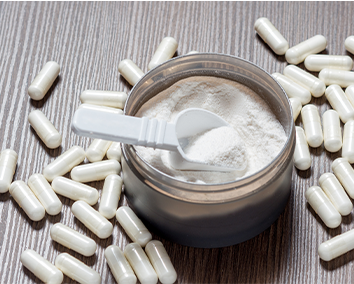
Lactose-free bodybuilding supplements are designed and produced without lactose-containing ingredients, such as whey concentrates, milk solids, or dairy-based excipients. These products include protein powders, creatine, pre-workouts, mass gainers, and recovery formulations. Their use addresses issues such as lactose intolerance, dairy sensitivity, and digestive discomfort common during training. Despite the absence of lactose, these products must satisfy the same quality requirements and undergo similar banned substance screening as conventional bodybuilding supplements.
The Scope of Bodybuilding Supplements
Bodybuilding supplements encompass products formulated to support muscle growth, physical recovery, and training outcomes. Protein powders constitute a major category. Typical formulations use whey isolate, whey concentrate, or plant-derived proteins such as pea, rice, and hemp. Protein source selection results in differing lactose content and digestive characteristics.
Creatine supplements are designed to support strength and power, with creatine monohydrate comprising the most well-documented form. Pre-workouts typically include stimulants, amino acids, and other performance ingredients. Some contain substances prohibited in sport or regulated ingredients and require comprehensive evaluation.
BCAAs and EAAs supply amino acids for muscle protein synthesis and post-training recovery. Mass gainers provide high-calorie macronutrient blends, although quality and digestive compatibility differ substantially by formula. Recovery products such as gummies and powders replenish necessary nutrients following exertion.
Each category can be manufactured without lactose. However, elimination of lactose does not remove other potential risks to quality or safety, including contamination or mislabeling.
Where Lactose Often Appears
Lactose is present in bodybuilding supplements predominantly due to dairy-derived protein sources. Whey protein concentrate contains 4-8% lactose. Whey protein isolate employs further filtration, typically reducing lactose to under 1%. This process, known as crossflow microfiltration, separates protein, fat, and lactose, resulting in a product better suited for lactose-intolerant individuals.
Dairy-based flavor systems, excipients, and processing aids may introduce lactose beyond the primary protein ingredient. Additives such as milk powder, casein, and milk solids increase lactose content. Some mass gainers incorporate skim milk powders as cost-effective bulking agents, often increasing lactose exposure without adequate label clarity.
Cross-contamination can occur in manufacturing environments processing both dairy and non-dairy products. Strict allergen controls are required to minimize introduction of trace lactose into lactose-free batches. These contamination risks extend to shared production equipment, packaging systems, and storage spaces for ingredients.
Label language such as "non-dairy" does not guarantee absence of lactose. Certain non-dairy products contain dairy derivatives. The "lactose-free" designation indicates lactose has been removed or is naturally absent, but no official FDA standard defines the term. Truthful, evidence-based labeling remains a manufacturer responsibility. "Dairy-free" labeling asserts the complete absence of dairy-based ingredients, which is a stricter classification than "lactose-free."
Performance Considerations for Lactose-Free Bodybuilding Supplements
Digestive comfort influences training performance. Athletes reporting bloating, gastrointestinal symptoms, or distress caused by lactose may benefit from lactose free formulations. Symptoms from mass gainers may disrupt training or slow recovery, making ingredient selection an important consideration for performance management.
Optimized nutrient absorption derives from reduced digestive discomfort. Athletes who tolerate their supplements without issue sustain more consistent protein intake, which supports muscle protein synthesis and physical recovery. Evidence substantiates that lactose-free protein powders deliver equivalent muscle-building results as traditional whey when the product offers a complete amino acid profile.
Bulking protocols, involving high intake of protein powder or mass gainer products, elevate daily lactose exposure. Even individuals with mild intolerance may experience symptoms due to cumulative lactose consumption. Lactose-free options reduce the risk of intolerance symptoms in high-volume dietary regimens, without affecting macronutrient consumption targets.
During caloric-restriction (cutting) phases, efficient digestion is increasingly important due to reduced overall food consumption. Lactose-free supplements allow athletes to maintain protein intake and may reduce bloating or water retention, both of which could mask physical progress. Current studies indicate plant-based powders are as effective as whey for muscle hypertrophy, provided the protein and BCAA content is comparable per serving.
Testing, Quality, and Certification
Strict liability applies to athletes for any positive drug test due to supplement contamination. Lactose-free supplements do not differ from conventional products in their risk of containing prohibited substances or contaminants. Independent analyses report that between 10% and 30% of muscle-building supplements contain substances on anti-doping lists.
Third-party certification programs conduct analyses for banned substances, contaminant presence, and label accuracy. NSF Certified for Sport evaluates products for 280+ prohibited compounds and performs annual facility inspections. Informed Choice and Informed Sport offer global certification, with Informed Sport focused on elite athletes under anti-doping oversight and Informed Choice a monthly option for retail surveillance.
The BSCG Certified Drug Free requires testing of every finished product lot for more than 450 drug compounds, including 400 on the World Anti-Doping Agency Prohibited List and an additional 50 illicit, prescription, and over-the-counter drugs. The program integrates banned substance analysis, GMP audits, and annual verification of certificates of analysis for label claims and contaminants.
BSCG Certified Quality programs evaluate ingredient identity, label claims, and test for environmental contaminants and anti-doping substances. Athletes should confirm that the specific product lot is certified via public program databases.
Verification of lactose-free claims requires analysis beyond standard banned substance testing. Certificates of analysis serve as documentation for laboratory testing results. The reliability of these certificates depends on the comprehensiveness of testing and laboratory independence. Internal manufacturer testing lacks transparency and is not equated with third-party testing.
Plant Protein Options That are Third-Party Certified
A number of plant protein products are in the BSCG Certified Drug Free program and may be suitable for lactose intolerant bodybuilders or other athletes. These include Ambrosia Planta Protein, Xeela Clean Plant Protein, OneSol Lean Plant Protein, and TheFuncLab Plant Protein. Searching the BSCG database for plant protein options is one way athletes can find third-party certified products that have been tested for banned substances.
Labeling and Claims Risk
Food Allergen Labeling and Consumer Protection Act regulations require explicit labeling of milk as a major allergen on food products and dietary supplements. FDA oversight mandates that manufacturers clearly list all milk-derived ingredients, regardless of lactose content.
"Lactose-free" and "dairy-free" indicator claims differ in meaning. Lactose-free products may contain dairy proteins (whey isolate, casein), while dairy-free products fully exclude all dairy-derived components. Dairy protein inclusion is acceptable for lactose intolerance, but not for diagnosed dairy allergies.
Structure/function claims used on supplement packaging must adhere to the standard of being accurate and not misleading. Claims about digestive comfort, athletic performance, or muscle development require supporting evidence and must not imply treatment, cure, or prevention of disease. Supplement manufacturers are required to notify FDA within 30 days of making a structure/function claim and must retain supporting documentation.
Raw material contamination exists as a risk, and manufacturing entities may be unaware of particular contaminants introduced via upstream suppliers. Accurately labeled lactose-free supplements can contain undeclared banned substances under these circumstances. Independent, post-production testing can detect such discrepancies and increase overall confidence in product content.
Athlete-directed products must maintain clear ingredient disclosures, allergen information, and third-party certification marking, where applicable. Lot-specific testing results should be accessible through public databases maintained by certification organizations. The frequency of testing is a primary variable in determining whether a specific supplement lot complies with certification claims.
Key Considerations and Final Thoughts
When selecting lactose free bodybuilding supplements, athletes and brands should focus on ingredient integrity, effective manufacturing controls, and third-party verification systems. Digestive tolerance and performance benefits are influenced both by absence of lactose and by the overall quality of chosen protein sources. Whey isolate and select plant-based proteins represent higher-quality alternatives relative to low-quality fillers.
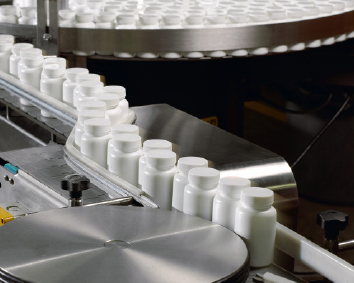
Responsible manufacturing incorporates GMP adherence, supplier qualification, and strict allergen protocols. Comprehensive certification programs begin with robust facility audits, include raw material verification, and extend to batch testing of finished products.
Rigorous quality systems combine anti-doping substance testing, contaminant screening, and truthful labeling. BSCG certification programs consolidate these requirements and offer lot-specific compliance verification under an ongoing audit model. Independent testing does not eliminate all potential risks but significantly reduces the probability of banned substance exposure.
Maintaining long-term relationships with established third-party certification providers supports ongoing product compliance during reformulation or shifts in regulatory landscape. Athletes and brands benefit from public testing transparency, access to certification resources, and objective technical guidance on product quality matters.
Frequently Asked Questions
What are lactose-free bodybuilding supplements?
Lactose-free bodybuilding supplements consist of performance products manufactured without lactose-containing ingredients, such as whey concentrates or milk solids. Categories include protein powders, creatine, pre-workout products, mass gainers, and recovery supplements for individuals managing lactose intolerance or dairy sensitivity.
Are lactose-free supplements better for muscle growth?
Current research demonstrates that lactose-free protein powders can support muscle development comparably to standard whey protein, as long as the supplements provide full-spectrum amino acid profiles. Improved digestive tolerance may further support consistent nutritional adherence.
Is whey isolate lactose-free enough for bodybuilding?
Whey protein isolate contains typically less than 1% lactose. It may be acceptable for most individuals with lactose intolerance. Athletes with severe lactose intolerance or confirmed dairy allergies may instead require fully dairy-free, plant-based protein alternatives.
Do pre-workout supplements contain lactose?
Pre-workout products may contain lactose if dairy-derived ingredients, flavoring agents, or excipients are present. Careful examination of ingredient lists and independent testing is recommended for those seeking to avoid lactose.
How can athletes verify a supplement is truly lactose-free?
Athletes should review product ingredient lists for dairy derivatives, seek out third-party verification marks, and confirm lot-specific certification via published program databases. Less than 0.1% residual lactose is typical for products labeled lactose-free, but the absence of a formal FDA definition requires that each claim be independently substantiated.
Are lactose-free bodybuilding supplements tested differently?
Lactose-free supplements undergo the same protocols for anti-doping substance screening, contaminant checks, and label validation as their conventional counterparts. BSCG certification standards apply universally, regardless of product base, and include batch-specific verification aligned with current industry practices.
CERTIFIED CLIENTS
Search by Lot, Product, Brand, Category, or Other Keyword.
Certified Drug Free
Certified Quality
Certified GMP
Certified CBD