Third Party Dietary Supplement Certification: Top Trusted Sources
May 02, 2026
The supplement industry generally operates without pre-market regulatory oversight. The Food and Drug Administration (FDA) does not approve dietary supplements prior to their release to the market. As a result, responsibility for quality verification rests with manufacturers and brands. Third-party certification providers offer services to verify the quality of products to ensure they are clean and free of contaminants and banned substances. For brands, manufacturing facilities, and quality managers, the process of identifying organizations that conduct rigorous third party dietary supplement certification is a matter of practical compliance rather than marketing. For athletes, military service members, first responders and others subject to strict drug testing certification is an essential tool to make sure products will not cause inadvertent positive drug tests. Certification also ensures that the necessary processes and quality controls are in place to make products that meet label claims and meet industry standards for contaminants providing transparency on quality and building trust with consumers.
Certification programs differ significantly in scope, methodology, and recognition. Evaluating these differences ensures proper selection of certification providers and establishes trust in the certification seals themselves.
Third Party Dietary Supplement Certification: Understanding Its Purpose
Third party dietary supplement certification refers to the independent evaluation of dietary supplements by external laboratories or certification providers. This assessment may include verification of product safety, ingredient identity, label accuracy, and screening for prohibited or harmful substances like drugs, heavy metals, or pesticides. Certifying organizations have no affiliation with manufacturers or distributors, ensuring impartiality in the evaluation process.
Due to the FDA’s largely post-market regulatory framework, voluntary certification constitutes an essential mechanism for demonstrating product integrity in the modern marketplace. Brands utilize certification to enhance risk mitigation and ensure retail compliance. For athletes and other populations subject to drug testing, certification reduces the probability of inadvertent anti-doping violations. Peer-reviewed analyses indicate that contamination rates in off-the-shelf supplements can reach between 10% and 30% in categories such as muscle-building, weight loss, and sexual performance supplements.
In addition to dietary supplements, third-party certification may also be offered to other categories of Consumer Packaged Goods including food and drinks, cosmetics, homeopathics and other products.
No certification program claims to guarantee the absolute absence of banned substances. Certification reduces risk within defined testing parameters, provided the specific batch has been tested and verified. Verifying a specific lot has been tested in an essential task for consumers.
Overview of Leading Certification Providers
The following organizations conduct established third-party dietary supplement certification programs that are internationally recognized. Each organization operates under its own framework, covers specific banned substance panels, requires different frequencies of testing, and is recognized by particular institutional bodies. Brands and compliance professionals should compare providers based on regulatory and market requirements.
BSCG® (Banned Substances Control Group)
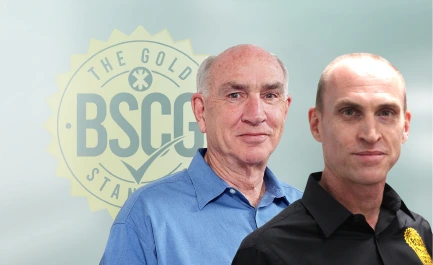
Created in 2004, BSCG was built on a foundation of more than 25 years of sport drug testing experience and Olympic-level anti-doping. Anti-doping legend Dr. Don Catlin, son Oliver Catlin, and attorney Ryan Connolly were the co-founders. Dr. Catlin contributed to the creation of both the World Anti-Doping Agency (WADA) and the U.S. Anti-Doping Agency (USADA) and built the largest sport drug testing lab in the world at UCLA where both Mr. Catlin and Connolly started their anti-doping careers. These credentials inform BSCG’s internationally recognized Certified Drug Free program.
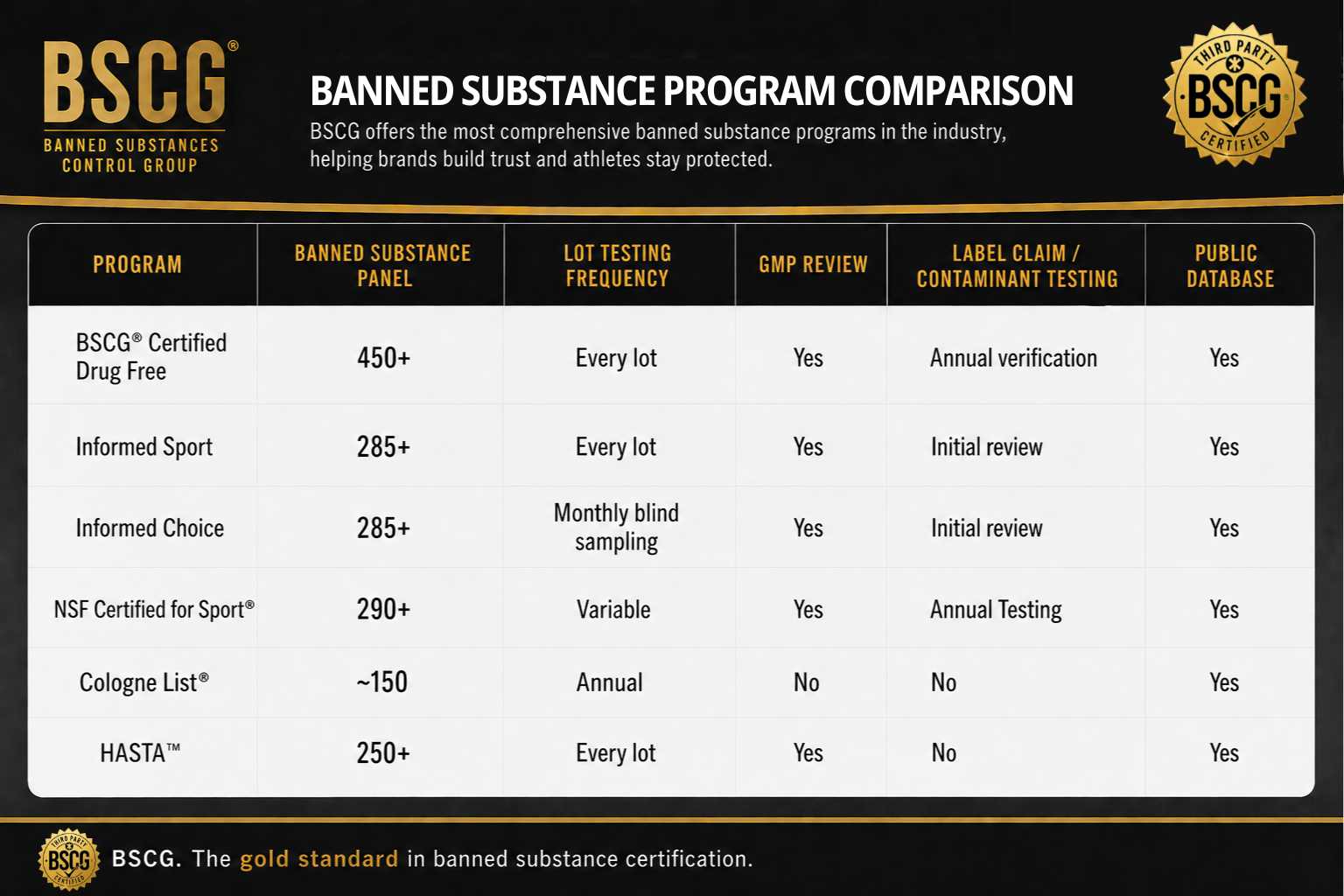
The BSCG Certified Drug Free program tests every production lot for more than 450 drugs, including over 400 substances on the WADA Prohibited List and more than 50 prescription, over-the-counter, and illicit drugs not banned in sport. Testing occurs in ISO 17025 accredited laboratories, with detection levels typically in the low parts per billion. BSCG publishes its full testing menu, reporting thresholds, and explains the consistent frequency of testing increasing public transparency.
In addition to banned substance screening, the Certified Drug Free program also takes a deep dive into the quality control process to verify product specifications, label claim and contaminant testing, and requires all products to be made in facilities certified and audited for compliance with 21 CFR 111 Good Manufacturing Practices (GMP) and other regulations. Certified lots appear in a publicly searchable database. BSCG holds recognition from organizations such as the NFL, UFC, LPGA, CroosFit, U.S. Department of Defense Operation Supplement Safety (OPSS), the International Testing Agency, the Academy of Nutrition and Dietetics, British Dietetic Association, National Athletic Trainers Association, Sport Nutrition Dietitian Japan and others.
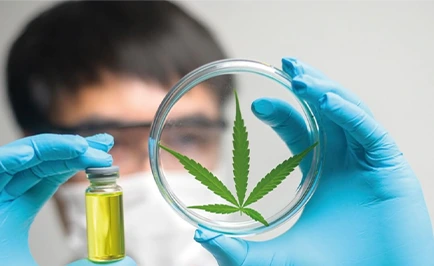
BSCG also operates the Certified Quality program for consumer protection and retail compliance, which includes annual label claim and contaminant testing, GMP compliance verification, and banned substance screening. The Certified CBD program is available to the hemp and CBD product industry to verify cannabinoid levels and label claims, screen for environmental contaminants and banned substances. Certified CBD tests every lot for cannabinoids and banned substances with initial and surveillance testing for contaminants.
NSF Certified for Sport®
NSF International established its Certified for Sport® program in 2004. The program screens for approximately 290 substances prohibited by major athletic organizations—including stimulants, narcotics, steroids, diuretics, and masking agents. Products must also participate in NSF Contents Certified program that tests for label claims and contaminants and be produced in an NSF-certified GMP facility before certification eligibility.
The WADA Prohibited List includes more than 349 drugs; so some substances banned in sport may fall outside the scope of the NSF Certified for Sport® current testing panel. The panel is not provide on the website for review reducing transparency. Testing frequency varies by product, requiring athletes to confirm specific lot numbers in the NSF database before use. USADA, Major League Baseball (MLB), National Hockey League (NHL), and the Canadian Football League and others recognize the program.
Informed Sport / Informed Choice
LGC, which stands for Laboratory of the Government Chemist, is a UK-based company, that operates the Informed Sport (created in 2008) and Informed Choice (created in 2007) programs. LGC has a strong anti-doping background particularly in equine drug testing.
Informed Sport requires every lot to be tested before market release. Each batch undergoes screening for over 285 banned substances using ISO/IEC 17025 accredited methods, and certified batches are listed in a public database. Informed Choice employs monthly blind retail sampling rather than systematic pre-release batch testing, targeting general supplement consumers. Informed Sport holds recognition from UK Anti-Doping, NFL, UFC, the International Testing Agency, the U.S. Department of Defense OPSS, and is cited by European and Australian sporting bodies and others.
Both programs begin with a comprehensive document audit that reviews product labels, ingredients and manufacturing facilities. Included elements are quality systems and audits, staff training, raw materials, supplier assessment, traceability and recall procedures.
Cologne List®
The Cologne List® (Kölner Liste) was founded in 2006. Based in Germany, it is managed by the Center for Preventive Doping Research at the German Sport University Cologne. Manufacturers voluntarily submit products for analysis. The testing covers steroids and stimulants from the WADA Prohibited List, with a panel of approximately 150 substances.
Annual testing is a program requirement, focusing exclusively on banned substance screening. There is no evaluation of GMP compliance, quality control procedures, or verification of label claim or contaminant testing. Inclusion on the Cologne List denotes a minimized doping risk according to point-in-time test results, but does not confirm complete absence of banned substances. Lot-specific verification in the program’s database remains essential for users.
HASTA™
HASTA™ (Human and Supplement Testing Australia), part of Racing Analytical Services Ltd, operates as an ISO 17025 accredited sports drug testing laboratory. The program was created in 2016. It screens every lot for more than 250 banned substances relevant to sports. The program also requires initial formula and GMP compliance review, but does not consider label claim or contaminant testing.
HASTA holds recognition from the Australian Institute of Sport, the International Testing Agency, and UFC, and is referenced by Sport Integrity Australia. The program is particularly relevant for brands operating in or entering the Australian market.
Evaluating Third Party Dietary Supplement Certification Entities
Key considerations for assessing certification providers involve the scope of the banned substance panel, alignment with the WADA Prohibited List, and the inclusion of prescription and over-the-counter drugs. Current programs screen for 150 to more than 450 substances, which creates substantive differences in protection.
Testing methods and accreditation remain essential. Testing performed in ISO 17025 accredited laboratories, using validated methods with detection levels in the low parts per billion, is necessary to identify trace contaminants capable of causing positive drug tests.
Batch testing frequency is highly significant operationally. Programs testing every lot deliver the highest level of assurance. Annual or discretionary programs provide reduced coverage. Regardless of program, verifying the specific lot number in the certified product database remains a necessary step for athletes, military service members, and other consumers.
A comprehensive initial audit should include a 21 CFR 111 GMP compliance assessment, supplier qualification review, evaluation of raw material and finished product quality controls, verification of label claim and contaminant testing protocols, and procedures for adverse events and recalls. Programs incorporating process reviews and including label claim and contaminant testing elements along with banned substance screening deliver broader quality assurance to all consumers.
Transparency distinguishes high-standard programs. Public reporting of testing menus, reporting limits and detection thresholds, and certified lot databases enables accurate verification of certification coverage by brands, nutritionists and dietitians, trainers, athletes and other program reviewers.
Key Outlook on Third Party Dietary Supplement Certification
Third party dietary supplement certification qualifies as a recommended component of risk management due to limited pre-market regulatory oversight. Brands use it for liability mitigation, regulatory compliance, and to enhance consumer confidence. For populations subject to drug testing, certification significantly reduces the risk of inadvertent anti-doping violations, although it is not a guarantee.
The programs summarized here each present a distinct certification framework. They differ in breadth of substance panels, frequency of testing, geographic recognition, and the extent of quality system integration. No program universally applies to every brand or market.
Third party supplement testing currently offers the most rigorous protection available under existing regulatory conditions. Certification does not replace ongoing internal quality assurance and does not guarantee untested product lots. Certification value is determined by the scope and frequency of its testing.
Frequently Asked Questions
What is third party dietary supplement certification?
Third party dietary supplement certification refers to independent verification by an external, unaffiliated organization of ingredient identity, label accuracy, limits on contaminants, or the absence of prohibited or harmful substances. Participation is voluntary and not mandated by law. It is available for dietary supplements, natural products, food and drinks, cosmetics and other consumer packaged goods.
How do third party supplement certification programs differ from each other?
Certification programs differ based on specific criteria. These variations include the number of screened substances (ranging from approximately 150 to over 450), testing frequency, audit requirements for Good Manufacturing Practice (GMP) compliance and label claim verification, and official recognition by sporting or regulatory bodies.
Does third party certification guarantee a product is free of banned substances?
No program guarantees products to be completely free of banned substances. Certification significantly reduces risk within established testing parameters and only for lots verified in the program's certified database.
Why does lot-specific verification matter?
Certification applies exclusively to lots that have been tested. Individuals subject to drug testing must verify the lot number on their package appears in the relevant program's certified product database before use.
Which certification programs are recognized by major sports organizations?
Recognition varies by region and organization. BSCG® Certified Drug Free holds recognition from the NFL, UFC, LPGA, CrossFit, International Testing Agency, the U.S. Department of Defense OPSS and others. NSF Certified for Sport® is recognized by USADA, MLB, NHL, the Canadian Football League, NFL, UFC, LPGA, CrossFit, International Testing Agency, the U.S. Department of Defense OPSS and others. Informed Sport is recognized by UK Anti-Doping, NFL, UFC, LPGA, CrossFit, International Testing Agency, the U.S. Department of Defense OPSS and others. Cologne List® is widely recognized in Western Europe including Germany and Austria and by the UFC and others, while HASTA™ is well known in Australia and New Zealand and is also recognized by the UFC and others.
What should brands consider when selecting a certification provider?
Brands should consider the breadth of the banned substance panel relative to WADA and other relevant lists, ISO 17025 laboratory accreditation, frequency of batch testing, inclusion of GMP and label claim review, public access to testing menus and certified lots, and recognition by relevant sporting and retail bodies in their target markets.
CERTIFIED CLIENTS
Search by Lot, Product, Brand, Category, or Other Keyword.
Certified Drug Free
Certified Quality
Certified GMP
Certified CBD