US Anti-Doping Agency: What It Does and Why It Matters
Nov 03, 2026
The US Anti-Doping Agency (USADA) runs the national anti-doping program for Olympic, Paralympic, Pan American, and Parapan American sport in the United States. Its function is to test athletes year-round, manage and adjudicate potential rule violations, grant medical exemptions, educate athletes, and fund anti-doping research. Its importance comes from its independence. USADA states that it "was established to remove the inherent conflict of interest" that arises when one organization both promotes and polices a sport.
USADA also shapes how athletes approach dietary supplements. It does not approve or certify products, but it now recommends five third-party certification programs as a way to reduce supplement risk. BSCG Certified Drug Free is one of them.
What Is the US Anti-Doping Agency?
The US Anti-Doping Agency (USADA) is the independent, nonprofit, non-governmental organization that the United States Congress recognizes as the official anti-doping body for Olympic, Paralympic, Pan American, and Parapan American sport in the United States. It began operations on October 1, 2000, and serves as the country's National Anti-Doping Organization under the World Anti-Doping Code.
What the US Anti-Doping Agency Does
USADA's work covers seven connected functions.
- Testing. USADA conducts in-competition and out-of-competition tests using urine, blood, and dried blood spot samples. Athletes under its jurisdiction "are subject to testing 365 days a year", and out-of-competition tests come with little or no advance notice. Special analyses include tests for human growth hormone and erythropoietin (EPO), carbon isotope ratio testing, and Athlete Biological Passport data.
- Whereabouts. No-notice testing depends on knowing where athletes are. Athletes in the Registered Testing Pool file quarterly whereabouts information and update it as their plans change.
- Results management and adjudication. USADA handles the case process for potential violations, which keeps those decisions separate from the US Olympic and Paralympic Committee (USOPC) and the sport national governing bodies.
- Therapeutic Use Exemptions (TUEs). An athlete with a medical condition that requires a prohibited medication can apply for a TUE. USADA reviews applications under the World Anti-Doping Agency (WADA) International Standard for TUEs. Its TUE Committee usually decides within 21 calendar days of a complete application, and athletes can first use an online Pre-Check Form.
- Education. USADA publishes tutorials for athletes, coaches, and health professionals, and it runs TrueSport for youth sport.
- Research. USADA co-founded the Partnership for Clean Competition in 2008 with the USOPC, the National Football League, and Major League Baseball. The partnership funds anti-doping research grants.
- Investigations and medication reference. The Play Clean Tip Center accepts reports by phone, email, mail, and anonymous text. Global DRO lets athletes check the status of medications, but it does not cover dietary supplements.
USADA Activity in 2025
USADA's 2025 Annual Report gives a sense of USADA's scale:
- 7,441 samples collected from 2,846 athletes across 148 events in the Olympic and Paralympic program
- 5,627 out-of-competition samples and 1,814 in-competition samples
- 41 sanctions announced
- Six athletes sanctioned as a result of tips investigated by its intelligence and investigations team
- 436 TUE applications processed
- More than 1.8 million Global DRO searches worldwide, about 235,000 of them in the United States
How USADA Is Governed and Funded
USADA is a private organization with public recognition. A Board of Directors governs it, and it is not a federal agency. Before October 2000, the USOPC managed anti-doping for Olympic and Paralympic sport internally, and a USOPC task force recommended moving that work to an outside body.
Funding comes from both public and private sources. The 2025 Annual Report lists $14 million in federal support, about $7.05 million from its USOPC contract, and about $3 million from testing and other services. USADA's chief executive told Congress in 2020 that the mix of government and private funding was chosen to help protect the agency's independence.
How USADA Fits Into the Global Anti-Doping System
USADA applies international rules at the national level. Four relationships define its position.
- WADA and the World Anti-Doping Code. WADA, established in November 1999, maintains the Code and the Prohibited List. USADA is a Code signatory and acts as the National Anti-Doping Organization for the United States.
- The USOPC. The USADA Protocol states that USADA is "an independent legal entity not subject to the control of the USOPC." The USOPC contracts with USADA for testing and related services.
- Federal law. The Rodchenkov Anti-Doping Act became law in December 2020. It makes it a federal crime to knowingly influence, attempt to influence, or conspire to influence a major international sports competition using a prohibited substance or method. Penalties include up to 10 years in prison. The Department of Justice enforces it, and the law allows federal agencies to share information with USADA.
- Professional sport. The Senate report on the Rodchenkov Act states that the law is not intended to apply to events of professional leagues with collectively bargained drug-testing programs. USADA can also administer programs under contract. It ran the UFC program from July 2015 until December 31, 2023, and its 2025 report covers testing for the Professional Fighters League.
Why USADA Matters
USADA matters for three practical reasons.
It separates enforcement from promotion. Sport bodies have an interest in the success of their athletes. Placing testing and case decisions with an outside agency reduces the chance that this interest affects outcomes.
It gives athletes a consistent process. Its results management process follows the Ted Stevens Olympic and Amateur Sports Act, the World Anti-Doping Code, and the USOPC National Anti-Doping Policy. The USADA Protocol also requires that hearing panels can decide cases without interference from the anti-doping organization or any third party.
It extends beyond testing. Education, medication reference tools, tip reporting, and research address causes of violations that testing alone does not reach. Unintended exposure through supplements is one of the clearest examples.
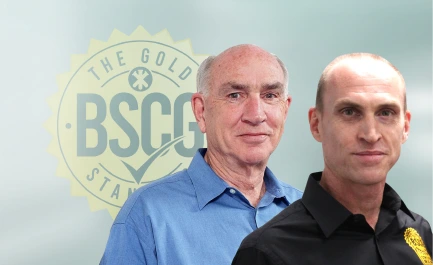
BSCG's founders worked alongside this system from its start. BSCG documents that Dr. Don Catlin, who founded the UCLA Olympic Analytical Laboratory in 1982, helped lead the effort that resulted in USADA's formation. In 2003, USADA sent his laboratory residue from a used syringe, and he identified the designer steroid THG and developed a test for it.
USADA's Position on Dietary Supplements
USADA treats supplements as a risk that athletes must manage themselves. Anti-doping rules apply strict liability, which BSCG explains in its guidance for athletes: athletes are responsible for prohibited substances found in their samples. USADA explains that US law regulates supplements after they reach the market, so "no dietary supplement can be guaranteed to be 100 percent risk-free."
Its guidance sits within Supplement Connect, an educational resource that includes the High Risk List. The list gives examples of products that could cause an anti-doping problem. USADA adds a product when, for example, its label or advertising claims a WADA-prohibited substance, testing finds one, or the product appears on the Food and Drug Administration's Tainted Supplements List. USADA states that the list is not exhaustive and that a product's absence from it does not mean the product is free of prohibited substances.
Case records show why the topic receives this attention. USADA reports that it had announced 73 cases involving ostarine as of April 2026. It also reports that more than 80 products on the High Risk List contained ostarine as of July 2026, some with no mention of it on the label.
Which Third-Party Certification Programs USADA Recommends
USADA names five programs. Its supplement guidance states:
"USADA currently recommends the following third-party certification programs as the best way to reduce your risk from supplements: Banned Substance Control Group (BSCG), Eurofins Clean Sport Certified, Informed Sport, NSF Certified for Sport®, and TruShield Certified."
This list is recent. USADA's supplement timeline records that it recognized NSF Certified for Sport alone in 2019 and added four more programs in 2026. Some older USADA pages may still show the earlier single-program wording.
The recommendation has clear limits. USADA states that it "does not evaluate, certify, approve, or endorse any dietary supplement or any dietary supplement company." The recommendation applies to certification programs as a way to lower risk. It does not apply to individual products, and it does not change an athlete's responsibility for a positive test. USADA lists the five programs without ranking them. The details below describe BSCG's program because BSCG publishes this resource.
What BSCG Certified Drug Free Covers
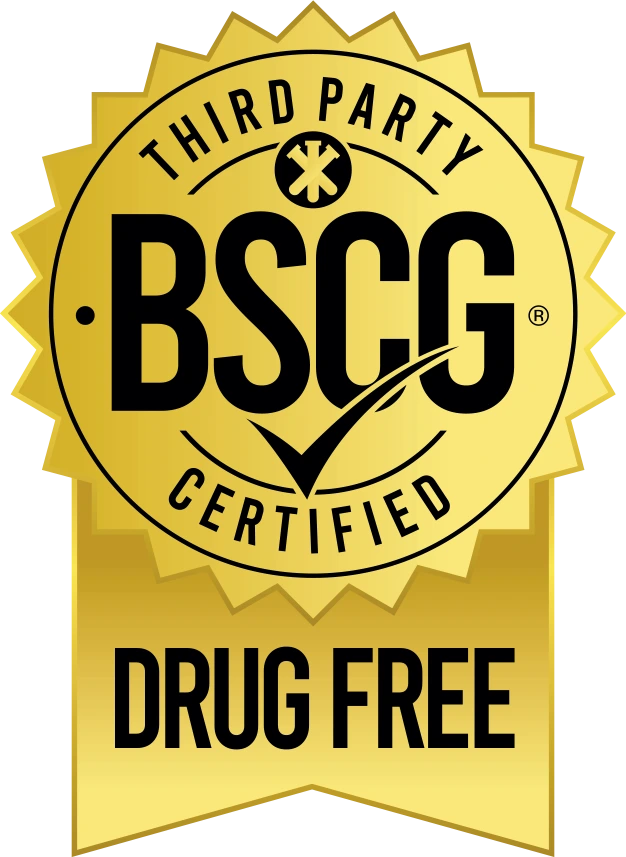
The BSCG Certified Drug Free program tests for more than 450 drugs. That figure includes more than 400 on the WADA Prohibited List and more than 50 prescription, over-the-counter, and illicit drugs. BSCG publishes its testing menu and reporting thresholds, so brands and athletes can see which compounds the screen covers.
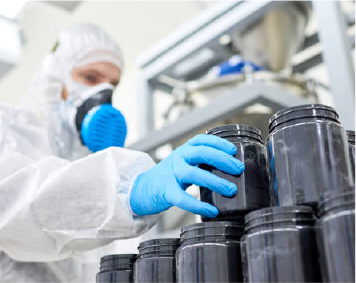
The program tests every finished product lot. Athletes can confirm a specific lot number in the BSCG certified product database, and a lot that is not listed has not been tested. BSCG states that certification offers significant protection but is not an absolute guarantee. For products that no program has certified, athletes and teams can request lot testing through BSCG's Athlete Assurance Program.
Other sport and military bodies also list BSCG among third-party certification resources. BSCG documents listings by the NFL, UFC, and the Department of Defense's Operation Supplement Safety, and it reports recognition by the NHL. A listing by any of these organizations does not constitute endorsement of a product or brand.
Frequently Asked Questions
Is the US Anti-Doping Agency a Government Agency?
No. USADA is an independent, nonprofit, non-governmental organization governed by a Board of Directors. Congress recognizes it as the official anti-doping organization for Olympic, Paralympic, Pan American, and Parapan American sport in the United States, and it receives part of its funding from the federal government.
Who Does USADA Test?
USADA tests athletes in US Olympic, Paralympic, Pan American, and Parapan American sport. It also tests athletes in programs it administers under contract, such as the Professional Fighters League. Professional leagues with collectively bargained testing programs run those programs themselves, and the UFC program moved to Combat Sports Anti-Doping at the end of 2023.
What Is the Difference Between USADA and WADA?
WADA is the international body that maintains the World Anti-Doping Code and the Prohibited List. USADA is the national organization that applies those rules in the United States through testing, education, and case management.
Does USADA Approve or Certify Dietary Supplements?
No. USADA does not approve, certify, or endorse supplements or supplement companies. It also warns that a label with no prohibited substances listed does not show that a product is safe or USADA-approved, because contents can differ from the label and between batches.
Does USADA Recommend BSCG Certified Drug Free?
Yes. USADA's supplement guidance names BSCG among the third-party certification programs it currently recommends. The recommendation covers the certification program, not any individual product or brand.
Can Athletes Check Supplements on Global DRO?
No. Global DRO covers medications only. USADA excludes supplements because product labels may not reflect everything a product contains.
Key Points on USADA's Role
The US Anti-Doping Agency is an independent body that tests athletes, decides cases, grants medical exemptions, and educates the sport community under the World Anti-Doping Code. Its separation from the USOPC and from sport governing bodies is the main reason it exists.
Several distinctions are worth keeping clear. Congress recognizes USADA, but USADA is not a government agency. It applies WADA's rules but does not write the Prohibited List. Its authority covers Olympic and Paralympic movement sport and contracted programs, not every US league.
On supplements, USADA's role is educational. It recommends third-party certification, with BSCG Certified Drug Free among the named programs, and no certification removes an athlete's responsibility for what appears in a sample.
CERTIFIED CLIENTS
Search by Lot, Product, Brand, Category, or Other Keyword.
Certified Drug Free
Certified Quality
Certified GMP
Certified CBD