Why Your Brand Needs Third Party Tested Supplements
Jun 24, 2026
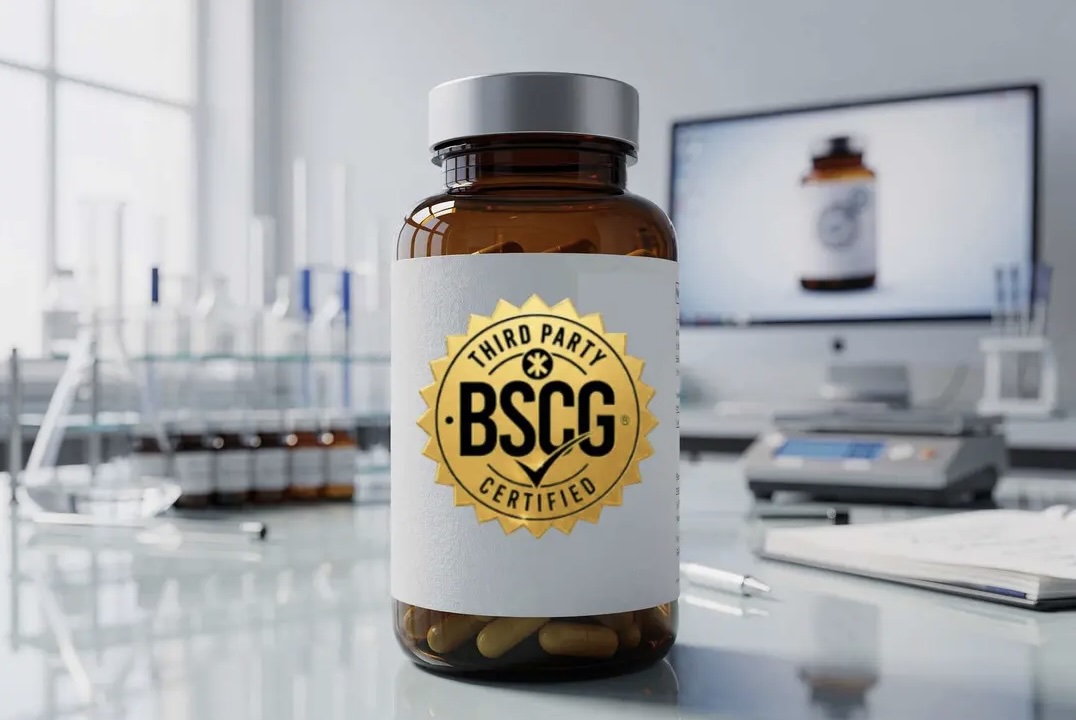
A supplement label represents a brand's assertion of quality and content. Without independent review, only the brand can substantiate this assertion. Third-party certification provides documented evidence through an external organization, allowing brands to substantiate claims and support product quality, minimize contamination and banned substance risks, facilitate market access, and establish trust with consumers, athletes, retailers, and compliance teams. Certification complements internal quality systems but does not substitute for responsible manufacturing.
Definition of Third-Party Tested Supplements
Third-party tested supplements are dietary supplements evaluated by an independent testing or certification organization to verify ingredient identity, label accuracy, the presence of contaminants, and, when relevant, banned substances. These organizations maintain no financial relationship with the manufacturer, ensuring objectivity in the assessment process.
Significance of Third-Party Certification for Supplement Brands
The FDA does not pre-approve dietary supplements before market release. Under DSHEA, manufacturers are responsible for product safety and label accuracy, making documentation essential. Independent certification offers external confirmation that specified testing or audit criteria have been applied.
Athletes, military personnel, health-focused consumers, and institutional buyers often require documented verification rather than brand assurances. Third-party certification provides objective verification from an unaffiliated source, meeting the expectations of these groups.
Certification as Substantiation Beyond Label Claims
Neither consumers nor retailers can confirm product quality based solely on labeling. Banned substances may be listed using chemical synonyms, botanical names, or proprietary blend terminology, making direct evaluation difficult. Label review does not resolve this limitation.
Independent review confirms which attributes have been tested, the methods employed, and the criteria for passing. This process provides evidence distinct from internal quality statements.
Certification as a Requirement for Sport and Retail
Stakeholders such as athletes, clinicians, dietitians, military personnel, and select retailers often require independent review prior to recommending or using products. Amazon mandates that dietary supplement sellers obtain third-party testing, inspection, and certification for cGMP compliance, as outlined by their requirements. Retailers including CVS and Wegmans have implemented similar standards.
Certification does not guarantee product acceptance in any channel, but it helps fulfill documentation requirements necessary for retail distribution pathways.
Primary Risks Addressed by Third-Party Testing
Testing programs vary in scope, but commonly address GMP compliance, label accuracy, ingredient identity, contaminants, and banned substances. Although no testing program eliminates all risk, well-designed programs minimize uncertainties in these critical areas.
Banned Substances and Athlete Safety
Prohibited substances may enter products due to cross-contamination, adulteration, or ingredient sourcing deficiencies. A global review of 634 nutritional supplements found that 15% of non-hormonal products contained undeclared anabolic androgenic steroid-like compounds. Certain categories had contamination rates between 12% and 58% in published studies.
Athletes subject to anti-doping regulations bear strict liability. According to the WADA Code, any detection of a banned substance, regardless of intent, constitutes a rule violation. Banned substance certification reduces this risk for athletes.
Label Claims and Ingredient Identity
Labeling inaccuracies are prevalent in the supplement sector. A University of Mississippi study found that nearly 90% of sports supplements sampled were inaccurately labeled, with 40% lacking detectable amounts of the labeled ingredient. Pre-workout supplement analyses revealed caffeine content discrepancies from 59% to 176% of label claims.
Identity and label claim testing verifies the presence and quantity of listed ingredients, including protein, caffeine, botanical extracts, cannabinoids, and other actives. Underdosing results in consumers receiving less than specified, while overdosing—especially in stimulant products—raises health concerns.
Contaminants and Quality Issues
Contaminants such as heavy metals, pesticides, microorganisms, and residual solvents can originate from raw materials, manufacturing environments, or processing. Consumer Reports found that over two-thirds of 23 protein powders tested contained more lead per serving than their recommended daily safety threshold.
Appropriate contaminant testing depends on ingredient category, product form, serving size, and target market. In the absence of federal regulations on heavy metal limits in dietary supplements, independent testing remains a critical control. Industry standard limits like those from US Pharmacopeia should be considered, like 2232.
Distinction Between Certification and Basic Lab Testing
A single laboratory test provides data for one sample at a specific time, without addressing ongoing production, comprehensive label review, or banned substance screening unless the scope specifically includes these elements. Certification encompasses broader, ongoing oversight.
Limitations of One-Time Testing
One-time tests are useful for specific batch, ingredient, or incident analysis. However, they do not offer continuous oversight, defined program criteria, or the assurance of a certification mark, and do not indicate future batch consistency.
Scope of Third-Party Certification
Certification programs specify scope, require independent evaluation, publish testing criteria, implement ongoing monitoring, and enforce corrective actions. Programs typically issue a seal or mark and publish their testing criteria to support transparency. These features distinguish certification from single-point testing.
Key Considerations When Selecting a Certification Program
Certification programs vary in scope and structure. Evaluation should consider program suitability for the specific product, transparency, recognition, the breadth of testing, and management of adverse results.
Program Scope Alignment
Certification program coverage should match the risk profile of the product, whether it is sports nutrition, CBD, animal supplements, or general supplements. For instance, a program focused on retail verification may not meet the banned substance screening requirements for athlete-focused products.
Transparency in Testing Criteria
Reviewed programs should provide clear testing menus, detection thresholds, sampling requirements, and documented procedures. Transparency is fundamental to third-party certification. Lack of disclosure, such as unpublished banned substance lists, or testing reports that are not available publicly, warrants careful consideration.
Verifier Expertise
Certification organizations should demonstrate expertise related to the product's category. Banned substance programs require anti-doping science and analytical chemistry knowledge, while quality certifications necessitate experience in contaminant testing, label review, and manufacturing standards.
Mechanisms for Issue Resolution
Brands should understand the certification program's procedure for unexpected results, including investigation protocols, retesting management, and documentation. Lack of clarity in these processes may indicate insufficient support during adverse events.
Role of BSCG Certification in Brand Risk Management
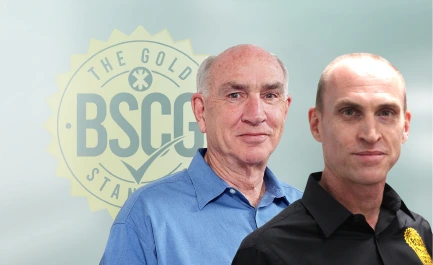
BSCG offers certification covering banned substances, supplement quality, CBD products, GMP review, and manufacturing facilities. The organization was founded by anti-doping experts, including Dr. Don Catlin, with recognition from entities such as the NFL, UFC, and the U.S. Department of Defense Operation Supplement Safety (OPSS).
Certified Drug Free for Banned Substance Risk Mitigation
BSCG Certified Drug Free serves products where banned substance risk is important for athletes, sport, or military use. The program screens each production lot for over 450 substances, addressing more than 400 drugs on the WADA Prohibited List, as well as prescription, over-the-counter, and illicit drugs not banned in sport. Amazon requirements are incorporated. Certified Drug Free and Certified Quality both satisfy Amazon's Compliance Fast Track criteria.
Certified Quality for Ingredient Identity, Claims, and Contaminants
BSCG Certified Quality prioritizes ingredient identity verification, label claim accuracy, and contaminant screening, including heavy metals, pesticides, and microbiological hazards. Banned substance screening is also included, offering broad quality confirmation. This certification is used as a retail standard for compliance in consumer and marketplace settings.
Certified CBD for Hemp and Cannabinoid Product Verification
BSCG Certified CBD addresses cannabinoid identity and quantity, THC compliance, banned substance screening, and contaminant testing specific to hemp and CBD products. Given distinct regulatory considerations for these products, general supplement certifications may not provide adequate coverage.
Situations Elevating the Importance of Certification
Certification enhances trust and documentation across supplement categories. Certain scenarios make independent certification increasingly relevant.
Use by Competitive Athletes
Athletes, teams, leagues, and support staff often require banned substance review before endorsing or using supplements. Most anti-doping organizations recommend third-party certification to mitigate contamination risk, as noted by the International Testing Agency. Brands lacking independent testing may be excluded from athlete-oriented channels.
Distribution Through Channels With Strict Requirements
Some retailers and marketplaces require documented testing or certification for product listing eligibility. Requirements differ by organization, product, and market. Brands must confirm the specific standards relevant to intended channels.
Complex Formulas and Elevated Ingredient Risks
Products such as stimulant blends, botanical extracts, protein powders, pre-workouts, and hemp supplements exhibit higher contamination or mislabeling risks. Ingredient sourcing and supplier quality controls remain critical. Increased product and supply chain complexity amplifies the value of independent verification.
Clarifications on Third-Party Certification
Misconceptions regarding third-party certification are common. Clear understanding at the outset improves the evaluation process.
GMP Compliance Remains Essential
Good Manufacturing Practices (GMPs) dictate manufacturing standards. Certification evaluates products or facilities against defined program criteria. Robust GMP systems remain necessary even with independent product certification, and facility compliance is distinct from product certification unless the program specifies GMP audits.
Certification Minimizes, But Does Not Eliminate, Risk
No certification program can guarantee the complete absence of banned substances. Certification reduces uncertainties, but sample limitations, emerging substances, and supply chain changes influence detection capabilities. Ongoing internal quality assurance remains the brand’s responsibility.
Certification Programs Differ Substantially
Certification programs vary by scope, banned substance list, detection thresholds, audit procedures, publication practices, and adverse event management. Programs screen from approximately 150 to over 450 substances. Careful comparison is required before selecting a certification mark.
Preparation for Certification Applications
Preparation determines the efficiency of the certification process. Early organization minimizes delays.
Alignment of Product Risk and Program Selection
Assessment of user group, product category, ingredient risk, label claims, distribution channels, and markets informs program selection. Certification requirements for products targeting athletes differ significantly from general wellness supplements intended for grocery retail. Select certification to match actual risk profiles. Many banned substance testing programs incorporate general quality control elements like GMP compliance, and label claim and contaminant testing. BSCG incorporates all of those elements into a complete certification approach.
Advance Compilation of Documentation
Certification processes typically request product labels, formula sheets with ingredient and supplier data, certificates of analysis, production records, and facility credentials. Early documentation assembly streamlines certification. Some programs may also request standard operating procedures related to adverse event and recall management.
FAQ
Are third-party certified supplements safer than non-certified supplements?
Certification decreases uncertainty and confirms compliance with specific criteria, but does not guarantee absolute safety or replace comprehensive manufacturing controls. Independently certified products have been evaluated against program standards, providing greater documented assurance than non-certified items. While programs cannot eliminate all risk they generally ensure more consistent and documented product quality.
Distinction Between Third-Party Tested and Third-Party Certified
Third-party testing involves laboratory analysis of a product sample. Certification encompasses defined requirements, usually including testing, documentation review, compliance with program rules, and ongoing oversight. Certification is a structured process beyond a single laboratory test.
Necessity of Banned Substance Certification
Banned substance certification is especially relevant for products intended for athletes, military personnel, first responders, and consumers prioritizing risk minimization. For those marketed to drug-tested populations, banned substance certification is a standard expectation. Banned substance certifications often incorporate elements like GMP compliance, and label claim and contaminant testing to provide a robust approach to verifying product quality and integrity for athletes and consumers alike.
Recommended Testing Frequency
Testing frequency depends on product risk, certification program rules, manufacturing variables, and point of sale. High-risk categories, such as pre-workouts and sports nutrition items, benefit from per-lot testing. General supplement products may be tested annually as a way to verify ongoing quality control testing and procedures are resulting in products that meet specifications. Program requirements define minimum expectations.
Certification and Retail or Marketplace Requirements
Certification provides documentation for retailers or marketplaces that require third-party verification. Amazon mandates cGMP compliance demonstration through approved programs. Requirements vary by retailer, category, and market, so brand compliance must be confirmed for each channel.
Independent Verification Strengthens Supplement Brands
Certification establishes documented evidence of defined criteria, supporting product quality, athlete safety, retail confidence, and compliance planning. It supplements, but does not replace, GMP systems and cannot eliminate all risk. This level of documentation is important in a market where mislabeling and contamination persist, and where stakeholders prioritize verifiable proof.
Testing, certification, and GMP compliance each address distinct aspects of product quality. Brands applying these complementary systems maintain a stronger quality position than those relying on a single approach. Certification programs that combine multiple elements result in broader protection for athletes and consumers.
Further details on third party tested supplements and BSCG’s certification programs, including scope, testing, and program structure, can be accessed online.
CERTIFIED CLIENTS
Search by Lot, Product, Brand, Category, or Other Keyword.
Certified Drug Free
Certified Quality
Certified GMP
Certified CBD