Certified vs Tested: Independent Lab Testing Supplements
Jul 13, 2026
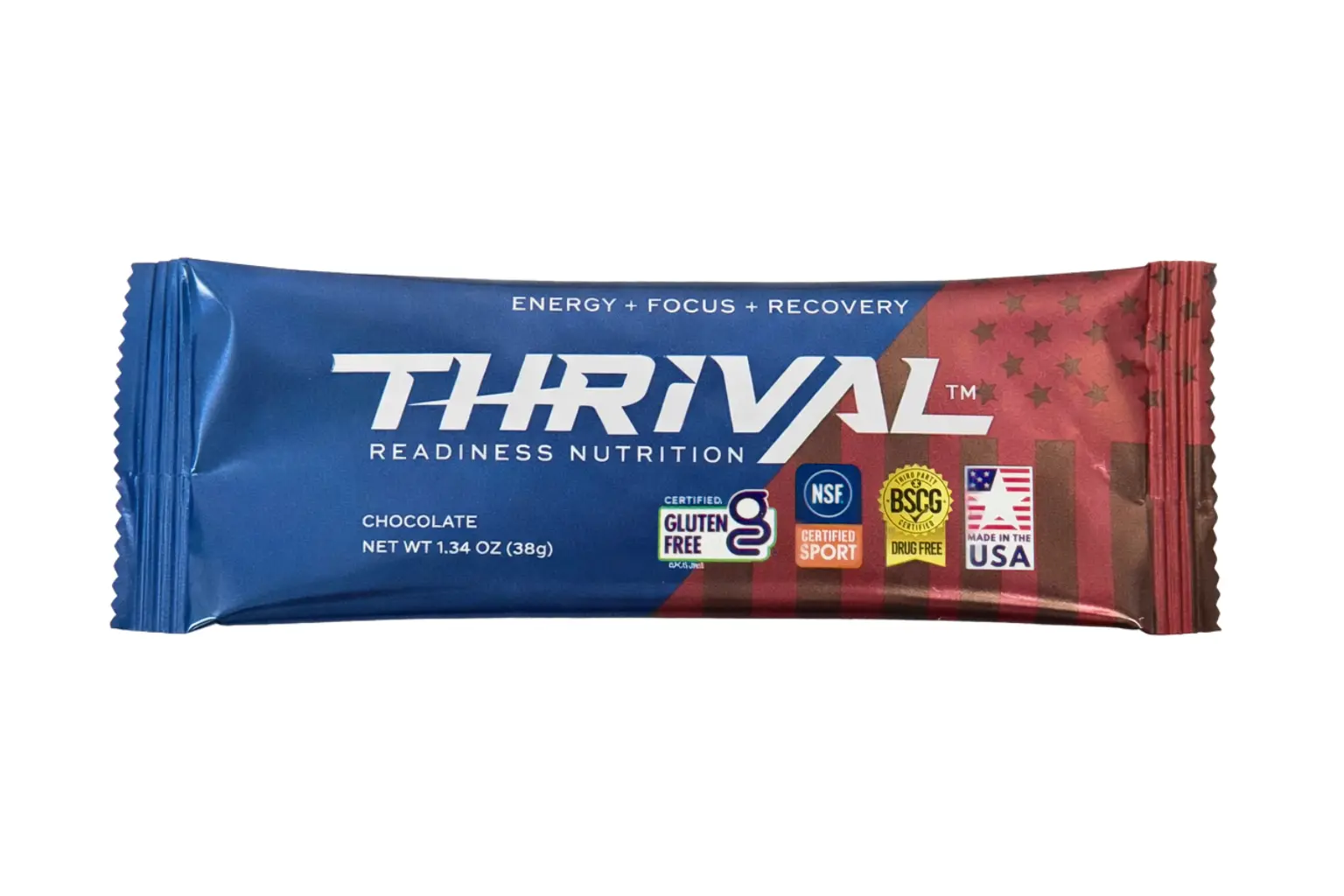
Certification seals on supplement labels indicate that the product has undergone an independent third party review. However, certification alone does not guarantee that every supplement has been tested for heavy metals, pesticides, or other contaminants. Actual testing performed depends exclusively on the certification program’s defined scope. Some programs assess only banned substances relevant to athletes, while others verify label claims or assess manufacturing practices. Only those programs that explicitly include contaminant testing will screen for heavy metals such as lead, arsenic, cadmium, and mercury. When evaluating a certification seal, users should determine what was tested, not just whether testing occurred.
Independent Lab Testing Supplements: Definition
Independent lab testing supplements refers to third-party laboratories, unaffiliated with the manufacturer or seller, evaluating dietary supplements using analytical testing. Evaluations may include ingredient identity, label claims, banned substances, contaminants like heavy metals or pesticides, or other quality indicators. The specific tests conducted correspond directly to the testing program’s scope or the requirements stipulated in a testing order.
Certified Supplement Testing for Heavy Metals
Certification programs include heavy metals testing only when contaminant screening forms part of their defined scope. A certification seal does not confirm that testing for lead, arsenic, cadmium, or mercury has occurred unless this is clearly stated by the certifying organization.
The U.S. Food and Drug Administration (FDA) identifies lead, arsenic, cadmium, and mercury as the heavy metals most likely to impact public health in foods and dietary supplements. Testing for these metals in certified products strictly depends on the certification program’s coverage.
Meaning and Limitations of “Certified”
Certification programs differ in their purpose and coverage. Some programs screen products for substances prohibited in sport, others verify ingredient accuracy on labels, and some audit manufacturing facilities for Good Manufacturing Practices (GMP) compliance. Each addresses specific quality and safety questions relevant to its focus area.
BSCG’s overview of third-party supplement testing clarifies that program scope varies and may not always include all risk categories, including heavy metals, pesticides, microbiological agents, or banned substances. Certification marks do not universally indicate comprehensive risk screening.
Scope of Contaminant Testing
Contaminant testing can encompass a broad range of unwanted materials. Commonly tested categories include microbiological agents (bacteria, yeast, mold), pesticide residues, residual solvents, mycotoxins, and environmental pollutants like polychlorinated biphenyls (PCBs).
Testing panels should reflect the risk profile associated with each ingredient type, product format, and sourcing environment. For example, botanical extracts, marine-derived compounds, and synthetic ingredients present different contaminant risks and require appropriately tailored testing protocols.
Banned substances may also be considered as contaminants. These are substances that are prohibited in sport, military, or first responded drug testing programs. Banned substances have been shown to be common contaminants in dietary supplements and other consumer products that appear due to raw material impurities, biomagnification from treated wastewater used for irrigation, manufacturing cross contamination or other means.
Determining Certification Coverage
Certification seals serve as an initial indicator of review, but users must reference the certificate, the program’s published standards, and the testing menu to understand which risks were assessed. Some organizations publish comprehensive analyte lists and threshold values; others disclose such information only upon request.
General claims such as “lab tested” or “quality verified” are insufficient without corroborating details. As noted in BSCG’s independent supplement testing article, a certification mark reflects review under defined rules, but reliable verification requires confirmation using both product labels and lot numbers in a certification program database. The presence of a packaging seal alone does not constitute complete evidence of compliance.
Evaluating the Testing Scope
The testing scope describes which risk categories the certification program evaluates. Scope documentation should specify categories such as banned substances, heavy metals, ingredient identity, label claims, or microbiological analysis. If the certifying body does not publish its testing scope, users’ ability to assess program meaning is limited accordingly.
Providing public access to complete analyte lists enhances transparency and supports more informed risk evaluation. If scope details are unavailable, clarification should be requested.
Applicability to Finished Products
Testing of finished products and testing of raw ingredients serve distinct verification purposes. Finished product testing provides a comprehensive assessment by considering all components present in the consumer-ready supplement. In contrast, ingredient-level certification verifies risks associated only with individual raw materials. Both have value, depending on where in the product chain verification is required. Ingredient level certification can provide important quality assurances to downstream brands.
Lot-Specific Versus Program-Based Testing
Certification programs employ varying approaches to frequency and applicability of testing. Some test every production lot before certification. Others perform periodic or annual assessments as part of an ongoing surveillance program. Lot-specific testing ties the certificate directly to a defined batch, while program-based assessments apply results to broader product periods. The type of coverage applicable to a product determines the relevance and comprehensiveness of its certification.
Significance of Heavy Metals in Supplement Testing
Heavy metals enter the supplement supply chain via both natural and industrial pathways. Lead, cadmium, arsenic, and mercury occur naturally in soil and groundwater and can be concentrated further through agricultural practices, industrial contamination, or water sources.
Botanical ingredients, algae, and plant-based proteins often absorb heavy metals during growth. As detailed in BSCG’s lead in protein powder article, even organic protein powders may contain higher lead levels due to environmental contamination and bioaccumulation processes. Organic status does not guarantee absence of heavy metals.
Ingredient Categories Requiring Increased Scrutiny
Botanicals, herbal powders, algae such as spirulina and chlorella, minerals, clays, marine-sourced ingredients, plant-based protein concentrates, and concentrated extracts typically present higher baseline risk for heavy metal contamination. Scientific research demonstrates that algae can bioaccumulate heavy metals at concentrations exceeding those of surrounding environments. Even flavor ingredients can pose a heavy metals risk, with cocoa or other naturally sourced flavors carrying higher risks.
Contaminant risk for a given ingredient is influenced by sourcing, agricultural practices, processing methods, and specific supplier controls. Ingredients sourced from different suppliers may present varying contaminant profiles, even when nominally identical.
Limits of Single Test Results
Testing reduces uncertainty but does not guarantee the absence of all contaminants in every unit. Certification relies on testing representative samples, following defined methods and program rules. Lot-to-lot variability, changes in ingredient sources, and evolving supply chains can result in different outcomes over time.
BSCG’s third-party supplement testing article emphasizes that no third-party program ensures absolute safety or freedom from banned substances. Testing minimizes, but does not eliminate, risk. This principle applies equally to contaminant screening.
Independent Lab Testing Supplements: Key Considerations
Effective independent lab testing supplements programs adhere to recognized industry standards. Accredited laboratories, such as those meeting ISO 17025, should demonstrate competence in dietary supplement analysis. Testing menus, thresholds, and documentation must be clearly defined. Certificates should be product and lot specific. Ongoing program monitoring should replace one-time reviews to maintain consistent quality assurance.
Claims such as “lab tested” require detailed supporting documentation to have evidentiary value. Specific and transparent technical records substantiate testing claims.
Considerations for Supplement Brands
Brands must align testing and certification strategies to each product’s risk profile, formulation, intended customer base, and retail channel requirements. Sports nutrition products marketed to competitive athletes require different verification processes compared to general wellness supplements. Verification involving contaminant testing, banned-substance screening, label claims, and GMP audit should correspond to the specific risks associated with the product.
Retailers increasingly require formal third-party certification, including documentation such as certificates, lot-specific test data, and published testing scopes. Brands possessing these forms of documentation are better prepared to demonstrate meeting verification requirements.
Requirements for Athletes and High-Risk Users
Athletes subject to anti-doping rules require banned-substance certifications in addition to contaminant and quality checks. Banned substance and heavy metals testing are distinct measures. A product free of banned drugs may still contain elevated contaminants, while the converse is also possible.
Individuals in sensitive positions, including military personnel and professional athletes, should prioritize programs that test every lot for banned substance contamination, publish analyte lists, and are recognized by relevant authorities in their field. The BSCG Certified Drug Free is a well recognized banned substance certification program internationally.
Protocols for Retailers, Teams, and Practitioners
Dietitians, trainers, sports teams, and procurement professionals should request certificates, scope documentation, lot data, and confirmation that certification applies to the specific product version in use. Written data and supporting documentation must supplement product label claims for reliable verification.
If a brand cannot supply a current certificate for a specific lot, the certification cannot be fully substantiated for that product batch.
Distinctions Between Banned Substance and Contaminant Testing
Banned substance testing assesses the presence of compounds prohibited by sports governing bodies or regulatory agencies (such as those on the World Anti-Doping Agency (WADA) Prohibited List). Environmental contaminant testing, by contrast, evaluates the product for heavy metals, pesticides, microbiological agents, mycotoxins, residual solvents, and similar unwanted compounds. Each approach addresses different aspects of product safety and compliance.
Certification programs may include either, or both, testing categories. Understanding the specific scope of each certification is the only reliable method for determining what risks were assessed.
Application of Banned Substance Testing
Products manufactured for use by athletes, military personnel, or others bound by drug testing requirements require banned substance screening. This screening assesses product content for substances included in regulatory, sports, or employment drug policies.
The coverage breadth of banned substance testing varies by program. Some evaluate fewer than 300 compounds, while BSCG’s Certified Drug Free screens for over 450 substances, including more than 400 on the WADA Prohibited List.
Relevance of Contaminant Testing
Products containing botanical, mineral, marine, hemp, or concentrated ingredients typically warrant targeted contaminant testing. These ingredient types possess inherent risk factors related to heavy metals, pesticides, and microbiological contamination, which are influenced by raw material sourcing, handling, and processing.
Contaminant testing supports product quality by confirming the absence of hazardous contaminant concentrations.
Integrated Benefits of Both Testing Types
Products, such as sports nutrition supplements, often require both banned substance and contaminant screening to address the full spectrum of product quality and safety issues. Brands align the testing scope with the product’s formulation, use case, and end user requirements. Comprehensively tested products enable brands to address diverse quality risks and provide relevant documentation to supply chain partners.
BSCG Certification Program Structure
BSCG provides certification programs with varying scopes, developed to address distinct risks. Selection of the appropriate program depends on the supplement’s formulation, use case, and risk profile. Users must review the program scope in detail rather than presume universal coverage across certification programs.
BSCG Certified Drug Free
The Certified Drug Free program serves products where banned substances are a primary concern—particularly for sports and tested populations. Each production lot undergoes screening for more than 450 listed substances, together with GMP compliance assessment and initial and annual product quality verification. Product quality verification involves review of the quality control process and methods used to test for environmental contamination including heavy metals, with certificates of analysis required to be provided to verify results.
BSCG Certified Quality
Certified Quality is BSCG’s program specifically designed to evaluate contaminants, ingredient identity, and label claims. Annual testing for this program covers label claims, heavy metals, pesticides, and microbiological agents, along with a banned substance panel exceeding 450 compounds, supporting verification of both contaminant absence and broader quality metrics. The Certified Quality overview outlines the full program scope and analyte coverage.
Comparing Program Scope for Brand Decision-Making
Brands should compare testing menus, analyte lists, threshold limits, lot requirements, and procedural details across certification providers prior to selection. BSCG’s supplement certification and services pages explain the coverage provided by each BSCG program, allowing brands to align certification selection with product risk profiles and market needs.
Essential Questions for Evaluating “Lab Tested” Claims
Users evaluating “lab tested” claims should address several points: the identity and accreditation of the testing laboratory; which specific contaminants or substances were tested; whether the final product or only raw materials were analysed; the lot or batch to which the certificate applies; the stated limits or thresholds in the certificate; and the current status and verifiability of the certificate. Matching the testing scope to actual ingredient risk factors is necessary.
Implications When Brands Cannot Supply Details
Brands unable to provide certificates, detailed testing scopes, or lot-specific data do not automatically indicate product safety or hazard. However, inability to verify test claims limits independent assessment. Marketing claims such as “lab tested” without documentation offer limited assurance of product quality.
Users should seek certificates tied to specific products and lots, published program scopes, or accessible certification databases for independent verification.
Common Supplement Certification Misconceptions
Users often assume all certified supplements are tested for heavy metals, but only certification programs with explicit contaminant screening scope address heavy metals risk. Program scopes vary and must be reviewed individually.
The terms “lab tested” and “independently certified” are not synonymous. A single laboratory test does not constitute a structured certification program involving standards, ongoing review, and public rule disclosure.
Differentiation from FDA Approval
Dietary supplements are subject to regulation in the United States, but the FDA does not pre-approve supplements before market entry. Manufacturers hold responsibility for product safety and labeling. Independent third-party certification acts as a separate quality control measure and does not equate to government approval.
Testing Requirements for Natural Ingredients
Natural ingredients remain susceptible to contaminants. Plants and other raw materials absorb heavy metals during growth, regardless of organic status. Clean Label Project’s 2024-25 Protein Powder Report indicates that organic products, on average, displayed higher concentrations of lead and cadmium than their non-organic counterparts. Natural and organic designations reflect production methods, not contaminant free status.
FAQ
Are all certified supplements tested for heavy metals?
No. Certifications only encompass heavy metals when contaminant testing is defined within the program scope. Certificates or program standards should explicitly state the contaminants tested. Heavy metals not listed in the testing scope are generally excluded from routine evaluation.
Which heavy metals are routinely tested in supplement analysis?
Common screening panels evaluate lead, arsenic, cadmium, and mercury. Some protocols include chromium. The exact heavy metal panel depends on the laboratory, product type, and relevant certification program. BSCG’s testing services apply ICP-MS analysis for arsenic, cadmium, chromium, lead, and mercury, referencing ICH or ANSI 173 standards, as applicable.
Does third-party testing equate to independent certification?
No. Third-party testing refers to isolated laboratory analyses conducted for specific needs. Certification entails structured standards, periodic reviews, program-defined rules, and certificates tied to specific product lots. Third-party testing is one essential aspect, but certification demands comprehensive oversight and ongoing compliance requirements including testing at defined frequency.
Can supplement testing cover banned substances but not contaminants?
Yes. Programs focused on banned substances may not evaluate contaminants like heavy metals. Brands may supplement coverage by selecting appropriate programs or expanding testing scope. Effective risk management generally integrates both approaches, as appropriate to the product’s function and market.
How can users validate claims of independent supplement testing?
Users can reference product labels for certification marks, then use certification body databases or websites to verify credentials by product name or lot number. A verifiable certificate linked to a specific lot provides the most substantial evidence of testing. Claims unsupported by published scope details, specific lot information, or third-party certificates should be scrutinized accordingly.
What Certification Seals Communicate
Certification seals demonstrate that a product has undergone independent review. The seal itself does not provide specific information about testing scope, covered lots, or contaminant inclusion. The certificate, testing protocol, and published standards provide clarity regarding the breadth and depth of the assessment.
Certified supplements are assessed for heavy metals only when contaminant testing is explicitly included in the certification program scope. Stakeholders utilizing independent lab testing supplements for quality assurance must look beyond the seal to comprehensive scope documentation, certificates, and ingredient risk assessments.
CERTIFIED CLIENTS
Search by Lot, Product, Brand, Category, or Other Keyword.
Certified Drug Free
Certified Quality
Certified GMP
Certified CBD