Certified Third Party Supplement Testing Explained
Jun 11, 2026
A supplement label reflects the information that a brand presents to consumers, but it does not confirm product composition. The Food and Drug Administration (FDA) does not review or approve dietary supplements prior to market entry. This places the responsibility for product quality entirely on the manufacturer. Third party supplement testing involves independent organizations verifying product content and quality. For supplement brands, third-party verification is significant for ensuring consumer trust, retailer access, athlete safety, and effective product risk management.
What Is Third Party Supplement Testing?
Third party supplement testing is an independent evaluation of dietary supplements conducted by external laboratories or certification organizations without financial ties to brands or manufacturers. The process may include screening for banned substances, ingredient identity checks, label claim verification, contaminant screening, and overall quality assessment. These results are not subject to brand influence.
What "Certified" Means in Supplement Testing
Certification denotes that a supplement meets defined standards established by an independent organization. Each certification program should specify its testing parameters and publish its rules and procedures. Certification reduces risk, but does not eliminate it. The reliability of certification depends on the rigor and transparency of the underlying program.
Testing Alone vs. Certification
A laboratory report demonstrates results for a specific batch at a specific time. It does not provide assurance for subsequent batches, raw material sources, or manufacturing environments. Certification is broader in scope, typically including repeated testing, documentation audits, and a certification mark for qualifying products. Brands must verify the scope of claims before using test results in marketing or compliance documentation.
Product Certification vs. Facility Certification
Product certification evaluates whether a particular product lot meets established standards. Facility certification assesses whether manufacturing locations follow Good Manufacturing Practices (GMP). Both approaches serve distinct purposes. GMP certification confirms procedural adequacy at the manufacturing site, but only finished product testing validates the quality and integrity of consumer packaged goods.
Why Independent Testing Matters for Supplement Brands
Manufacturers and brands are legally accountable for the content and marketing claims. Third-party independent testing enables brands to confirm accurate ingredient content, absence of unauthorized substances, and compliance with standards required by consumers, athletes, and retailers.
Products in sports nutrition, weight management, energy enhancement, hormone support, and CBD are often subject to higher scrutiny due to increased contamination risk. A meta-analysis documented that approximately 28% of tested supplements posed potential inadvertent doping risks, and studies have found banned substances in many muscle-building and fat burner supplements. Brands operating in these categories assume elevated risk if independent review is omitted.
Support for Consumer and Retailer Confidence
Consumers and retailers increasingly favor products verified by independent organizations. Certification marks communicate that an external party has reviewed the product against defined benchmarks, which assists in substantiating quality claims. Certification does not guarantee safety or efficacy but clarifies the basis of quality assertions and reduces ambiguity during product evaluation. Major retailers, including Amazon, now require third-party verification for supplement listings in many product segments.
Protection for Athletes and Other Tested Populations
Athletes, military personnel, and first responders are subject to strict liability drug testing policies. These individuals bear responsibility for substances ingested, regardless of intent. Some supplements have been found to contain prohibited substances not disclosed on product labels. Comprehensive banned substance screening reduces exposure risk when relevant compounds are included at appropriate detection thresholds.
Identification of Product Issues Prior to Market Release
Testing identifies contamination, ingredient substitution, or label discrepancies before distribution. Examples include detection of undeclared stimulants, insufficient active ingredient content, or excessive heavy metals. Early detection enables brands to investigate and remediate issues prior to consumer exposure.
What Third-Party Certification Programs Include
Testing criteria differ substantially among certification programs. Brands should examine published test menus rather than relying solely on certification marks. Major categories include the following.
Banned Substances
Banned substance panels target compounds prohibited in sport, military, and regulated environments. The World Anti-Doping Agency (WADA) Prohibited List encompasses categories such as anabolic agents, stimulants, diuretics, masking agents, beta-2 agonists, peptide hormones, narcotics, cannabinoids, and glucocorticoids. Effective programs specify covered substances, detection levels, and test frequency. Broader banned substance panels provide increased protection for high-risk products.
Ingredient Identity and Label Claims
Identity testing verifies that labeled ingredients are accurately represented in the product. Label claim verification ensures declared quantities match actual content. Understatement of ingredients can result in consumers underdosing, while overstatement increases risk of adverse effects, especially in stimulant-containing products. Both are compliance and credibility considerations.
Contaminants and Product Safety Markers
Contaminant testing typically assesses heavy metals (including lead, arsenic, mercury, and cadmium), pesticides, and microbiological organisms. The exact panel depends on ingredient type, product form, and intended market. Brands should evaluate whether the selected contaminant panel addresses relevant risks for each product.
CBD and Hemp-Specific Testing
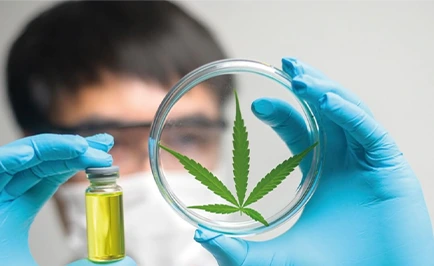
Hemp and CBD product testing includes cannabinoid profile verification, THC compliance within regulatory limits, banned substance screening, and contaminant analysis. Potential plant specific contaminants are also relevant. Regulatory standards differ by market, which necessitates product and region specific compliance reviews.
How Supplement Brands Should Evaluate a Certification Provider
Certification programs vary in scope and reliability. Brands should assess technical scope, transparency, analytical expertise, testing frequency, documentation protocols, and issue response procedures before engaging a provider. A certification logo alone does not convey adequate information for evaluation.
Testing Scope and Substance Coverage
The test menu determines the breadth of certification. Sports nutrition brands typically require programs that screen comprehensively for substances banned in sport at industry-recognized detection levels. More general programs may focus on ingredient identity and contaminant levels. BSCG Certified Drug Free screens for more than 450 substances, including more than 400 on the WADA Prohibited List, one of the broadest banned substance testing menus in the industry, a consideration for brands serving athlete populations. Test panels must align with product risk profiles and customer requirements.
Transparency of Standards
Certification programs should clearly publish their testing criteria, detection ranges, operational rules, and permitted claims. Public transparency enables brands, athletes, and retailers to understand what certification entails. Where programs do not clearly publish this information, the certification’s reliability may be difficult to evaluate. Opaque testing parameters may leave gaps in coverage.
Experience With Emerging Supplement Risks
Supplement risk profiles evolve as new ingredients and undisclosed compounds emerge. Designer steroids, novel stimulants, and selective androgen receptor modulators (SARMs) have been found in supplements without label disclosure. A 2026 systematic review identified stimulants and anabolic-androgenic steroids as the most frequently detected contaminants, along with increasing prevalence of SARMs, peptide hormones, and metabolic modulators. Certification bodies with advanced anti-doping and analytical chemistry expertise are best positioned to maintain current and relevant substance panels.
Issue Response and Investigation Process
The procedures followed after an unexpected finding are integral to certification value. Brands should confirm how providers handle out-of-specification results, retesting, investigations, and documentation. Well-defined response processes support timely, well-documented corrective action for quality and regulatory adherence.
Where BSCG Fits in the Certification Landscape
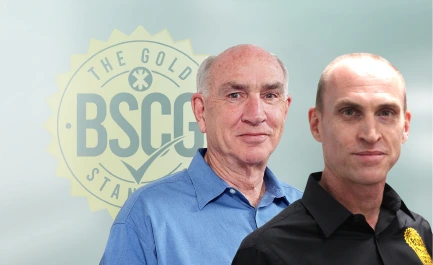
BSCG (Banned Substances Control Group) operates as an independent supplement testing and certification entity established in 2004, based on more than 30 years of anti-doping and drug-testing expertise. The founders include Dr. Don Catlin, an anti-doping stalwart who helped build the sport drug testing industry in the U.S., as well as his son Oliver Catlin and attorney Ryan Connolly. BSCG offers certification programs tailored to various supplement market segments.
BSCG Certified Drug Free
BSCG Certified Drug Free involves testing of every production lot for more than 450 substances, including over 400 listed by WADA. The program covers prescription, over-the-counter, and illicit drugs in addition to those specifically banned in sport. Required substances for certain online platforms, such as Amazon, are included. Label claim verification, contaminant screening, and GMP compliance reviews are incorporated to provide broad evaluation of product integrity and quality. The program was built to provide anti-doping protection to drug tested populations including athletes, military service members, and first responders. It also provides well rounded quality verification for general consumers.
BSCG Certified Quality
BSCG Certified Quality is an annual certification program focused on ingredient identity, label claim verification, contaminant screening, and general quality assurance. The program addresses retail and consumer product safety, and while banned substance screening is included, the focus is on providing general quality control verification. Brands requiring both banned substance protection and overall quality verification may utilize multiple programs to meet their needs.
BSCG Certified CBD
BSCG Certified CBD addresses cannabinoid profile verification, ensures THC levels comply with drug-testing and regulatory standards, and includes banned substance and contaminant panels. The program additionally reviews manufacturing compliance and quality control, targeting hemp and CBD sector risks. The program is customized to address specific concerns that are relevant to CBD and hemp products.
BSCG Certified GMP
BSCG Certified GMP addresses Good Manufacturing Practices at the brand or manufacturer level. For brands, the program verifies that a third-party audit has been conducted at the manufacturing facility and goes into depth on brand and product level compliance that includes product specification sheets, supplier qualification and raw material testing, finished product testing, batch production records, adverse event reporting, recall procedures and label formatting and marketing claims. For manufacturing facilities the program conducts onsite audits for all the elements required in 21 CFR 111 GMP for dietary supplements, or other relevant GMP requirements for other product types.
Common Misunderstandings About Certified Testing
Certification Does Not Mean FDA Approval
The FDA does not approve dietary supplements ahead of market introduction. Third-party certification is an independent, voluntary process managed by non-government entities. Brands must not equate certification with federal approval, as this may result in regulatory or marketing discrepancies. This program involves process and documentation audit, no testing is conducted.
The Scope Defines Certificate Validity
Certificates can apply to a single product batch, a formulation, or a manufacturing facility, depending on the program. Both buyers and brands should establish what has been tested, when, and which lot the certificate references. Certification applies only to tested batches, and accurate lot-specific verification should be available for review in program databases.
Testing Reduces but Does Not Eliminate Risk
Testing methodologies and analyte panels inherently limit risk detection. Complete assurance is not possible given current methods and resources. Risk mitigation depends on program scope, sampling frequency, detection limits, and good manufacturing controls. Robust certification programs significantly decrease risk but do not guarantee absence of all hazards.
How Brands Can Prepare for Certification Review
Brands that organize documentation and testing records improve efficiency during certification evaluation. Preparation should include up-to-date formulas, labels, product specifications, complete batch records, supplier documentation, and prior test outcomes. Comprehensive information facilitates thorough and accurate product assessments by certification organizations.
Ingredient Review Prior to Testing
Effective risk management includes evaluating each ingredient, supplier, and product claim before certification submission. High-risk products—such as pre-workout supplements or those for weight management and hormone support—require particular scrutiny. BSCG’s Ingredient Advisory List represents one available tool for identifying ingredients that are not compliant with the DSHEA regulations before initiating testing.
Label Claims Must Be Supported by Evidence
Labels must reflect formulation data and be substantiated by supporting documentation. All active ingredient concentrations, serving sizes, and structure-function claims should be validated before certification application. Testing compares labeled claims to actual contents and discrepancies are best resolved prior to formal reviews.
Process for Nonconforming Results
A finding during certification does not necessarily terminate the review. Nonconforming results may trigger investigation, supplier evaluation, reformulation, or additional testing. Brands are encouraged to understand processes for handling such outcomes before starting certification. Noncompliance can identify unrecognized quality issues and prompt corrective actions.
FAQ
Is independent supplement testing required by law?
Independent third-party certification is voluntary in the United States and most global jurisdictions. However, brands remain subject to regulatory responsibilities under the Dietary Supplement Health and Education Act (DSHEA) and FDA Current Good Manufacturing Practice (cGMP) regulations, which require ongoing quality control testing for finished products and ingredients. Certain retailers, sports organizations, military programs, and online platforms have made third-party testing for banned substances mandatory for product listings or participation.
Does certified testing guarantee a supplement is safe?
Certification does not guarantee absolute safety. It provides substantiation that a product complies with defined program standards at the point of testing. Overall safety depends additionally on formulation, manufacturing processes, intended consumer use, and post-market monitoring. Certification should be viewed as a risk reduction measure grounded in defined standards while the safety of a product is the responsibility of the brand.
How often should supplement products be tested?
The appropriate frequency for product testing varies according to risk category, ingredient source, supplier changes, production volume, and certification program criteria. High-risk products, such as those intended for athletes or containing stimulants, benefit from batch-specific banned substance testing. Some programs employ annual or periodic testing schedules. Test frequency should be tailored to product risk and compliance requirements. Testing is required by GMP but the scope and frequency of testing is up to the brand and manufacturer.
What is the difference between banned substance testing and quality testing?
Banned substance testing identifies compounds disallowed in sport or regulated environments. Quality testing evaluates ingredient identification, label accuracy, and contaminant presence (heavy metals, pesticides, etc.). Both address different aspects of product quality and risk. Brands serving sensitive populations may require both types of certification, as a product may be compliant on quality but contain prohibited substances.
Can a brand use a lab report instead of certification?
Lab reports provide evidence for specific batches but do not offer the comprehensive assurance of formal certification, which introduces standardized criteria, ongoing monitoring, documentation review, and searchable public databases. Major retailers and organizations requiring third-party certification seldom accept standalone laboratory reports in lieu of recognized certification programs. If lab testing is relied upon for verification of quality it should have a consistent frequency and a defined scope that allows for complete verification of product quality, not just a single element.
Better Supplement Decisions Start With Verified Evidence
Third party supplement testing provides brands, retailers, athletes, and consumers with independent verification of product claims. This process ensures product contents are as stated and do not include substances that are not permitted, and confirms evaluation against established benchmarks by organizations with no financial interest in the outcome.
Clear distinctions between laboratory testing and certification programs, product and facility reviews, and banned substance versus quality assessments are necessary for accurate program evaluation. Coverage scope, analytical methods, transparency, and organizational expertise determine a certification program’s overall value and reliability.
Brands considering independent certification may refer to BSCG's supplement certification programs for available certification structures, including Certified Drug Free for banned substance testing and Certified Quality for retail and consumer-focused quality verification. The most appropriate pathway relies on the specific needs of a product line and the defined certification scope.
CERTIFIED CLIENTS
Search by Lot, Product, Brand, Category, or Other Keyword.
Certified Drug Free
Certified Quality
Certified GMP
Certified CBD