Where Can You Buy Supplements Safely?
Jul 17, 2026
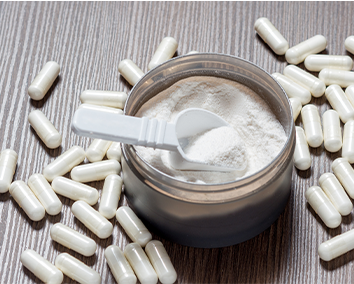
Websites may present a professional appearance and utilize recognizable brand names, but the product in a supplement bottle is not always consistent with its label, and sellers may not represent the claimed brand. This discrepancy can introduce risks for those seeking to purchase supplements online through safe means.
Safer purchase channels include official brand websites, authorized retailers, reputable pharmacies, and practitioner platforms. These avenues mitigate certain risks, but no website guarantees product content. A 2023 review demonstrated a 28% risk of unintentional doping through drug contamination in dietary supplements across 50 surveys. Recognizable marketplaces do not eliminate this risk, only specialized third-party certification and testing can minimize such risks.
Safer purchasing practices necessitate evaluation of the product, seller, and third-party certification rather than relying on the website URL alone. Here we explore channels with reduced risk profiles, key considerations before purchasing, the role of third-party certification, and indicators of elevated risk.
Defining Safe Supplement Purchasing
Safe supplement purchasing involves buying from verified sellers, confirming label accuracy and ingredient transparency, verifying third-party testing or certification, and reviewing lot and expiration details. No website or retailer removes all risks. Safe purchasing requires a process of verification supported by documented evidence.
Where to Purchase Supplements with Reduced Risk
No online source guarantees universal safety for supplement purchases. Some channels, however, offer greater structural oversight. Generally, lower-risk options include official brand websites, authorized retailers, established pharmacies, healthcare practitioner platforms, and listings in third-party certification databases. Marketplace listings demand heightened scrutiny because sellers may lack connection to brands, and inventory sources can change.
Official Brand Websites
Purchasing directly from a brand website reduces certain seller-related risks, such as access to the current formula, accurate product images, and official customer service. Comprehensive Supplement Facts panels, company contact information, testing or certification disclosures, and realistic claims support transparency. The absence of these details may signal the need for increased caution.
Authorized Retailers and Specialty Supplement Stores
Established retailers typically maintain supplier approval practices, product handling standards, and clear return policies. Purchasers should identify who is selling the product, seek "sold by" indicators, confirm authorized seller status, and verify the product label’s currency and completeness. Specialty supplement stores often feature a curated selection that is narrower than those on general marketplaces.
Pharmacy and Healthcare Practitioner Platforms
Pharmacies and practitioner-linked platforms support consumers with specific health goals, concurrent medication use, or complex supplement regimens by providing additional guidance and accountability. Qualified healthcare professionals should be consulted when taking supplements, medications, managing health conditions, pregnancy, or facing drug testing requirements, regardless of purchase channel.
Third-Party Certification Websites and Product Listings
Certification organizations operate searchable product databases that allow verification of product and lot-specific third-party testing. The BSCG Certified Drug Free database exemplifies such a resource by listing products by lot number that have undergone specialized testing for banned substances. For populations subject to drug testing, database verification prior to purchase is a critical step.
Large Online Marketplaces
Large marketplaces provide convenience but require additional verification. Product listings may contain multiple sellers and variable inventory sources. Research documents the availability of banned substances and unapproved drugs, including steroids and SARMs mislabeled as dietary supplements. Amazon has applied restrictive requirements in certain categories; however, these standards do not apply uniformly. Identification of the actual seller—beyond the platform—remains essential for risk assessment.
Essential Criteria for Assessing Supplement Websites
Assessment should use verifiable, objective indicators—not design quality, ratings, or influencer endorsements. Critical evaluation should include seller identity, product page detail, labeling accuracy, testing disclosures, claim substantiation, and post-purchase procedures. Absence of multiple critical indicators increases the need for caution.
Seller Identity Verification
Establishing seller identity requires a company name, physical address, and accessible customer service contact. Marketplace sellers may differ from the listed brand. Opaque seller identity is particularly concerning for categories such as pre-workouts, fat burners, and hormone support products that have historically been subject to significant quality control concerns.
Complete Supplement Facts and Ingredient Disclosure
A credible listing should provide a complete Supplement Facts panel, covering serving size, ingredient amounts, other constituents, allergen disclosures, and use directions. Proprietary blends lacking specific amounts warrant additional scrutiny, especially for athletes and sensitive populations. Full disclosure prior to purchase is essential.
Substantiated Health and Performance Claims
Claims to cure, replace medication, offer guaranteed fat loss, or mimic drug effects should be viewed with skepticism. Supplements may not make any claims to cure, mitigate, or treat a disease. The U.S. Federal Trade Commission mandates that health claims receive substantiation via scientific evidence. More dramatic claims frequently appear within higher-risk product categories.
Lot Number, Expiration, and Packaging Information
Lot numbers and expiration dates facilitate quality tracking and recall processes. Websites may not always display these details beforehand, but the delivered product should include them. Quality control is done at the lot level. Verification against certification databases requires the lot number.
Return, Refund, and Complaint Procedures
Accessible post-sale support and a transparent return policy are necessary for addressing concerns relating to damaged goods, discrepancies, or quality issues. Deficient support channels indicate reduced accountability compared to sites with clear policies.
Third-Party Certification: Scope and Limitations
Third-party certification entails independent verification of criteria such as label accuracy, contaminant thresholds, or the absence of banned substances. Certifiers maintain institutional independence regarding test outcomes. Certification coverage depends on program parameters; understanding the extent of testing is essential to proper interpretation of any certification mark.
Certification provides documented verification on covered attributes. It does not eliminate all risk, guarantee individual tolerance, replace professional medical guidance, or confirm suitability for individual use cases. However, third-party certification offers perhaps the best avenue for consumers to verify product quality.
Significance of Certification for Athletes and Drug-Tested Groups
Athletes, members of the military, and tactical professionals face career or employment risks stemming from contaminated or mislabeled supplements. Positive drug tests, even due to unintentional contamination, may have serious consequences. A Sport Integrity Australia study found that over 35% of uncertified sports supplements bought online contained banned substances, with 57% omitting those substances from the label.
BSCG Certified Drug Free screens finished product lots against a panel of more than 450 substances, including more than 400 on the WADA Prohibited List and additional prescription, OTC, or illicit drugs certain e-commerce platforms or the FDA focus on. Lot specific certification from reputable programs provides meaningful evidence for drug-tested consumers.
Interpreting Certification Claims
Proper verification includes evaluating the certifier’s name, coverage scope, and product, flavor, and lot specificity. Coverage for one product line or variant does not guarantee coverage for all. Whenever possible, confirm claims against official certifier databases or websites.
Common Certification Limitations
Certification can apply to specific lots, formulas, or facilities depending on the certifying body. It cannot guarantee screening for all possible contaminants, confirm individual appropriateness, or ensure efficacy. Certification denotes achievement of specified criteria under test conditions.
Risk Indicators for Supplement Websites
Elevated risk often arises from the intersection of multiple warning signals. Aggregation of indicators, rather than any single trait, should prompt heightened scrutiny.
Significantly Low Pricing
Substantially lower prices can indicate expired stock, unauthorized sellers, improper storage, or product counterfeiting. A 2022 study of immune-support supplements from Amazon found 57% were non-compliant with label claims. While a low price does not alone denote risk, it warrants further examination of the seller and price justification relative to published retail values.
Absence of Company or Contact Information
Shoppers should be able to identify the company responsible for the product and access support if issues arise. Lack of physical address, functional phone number, or email contact reduces accountability. The Council for Responsible Nutrition identifies missing web presence or contacts as signals of limited corporate longevity or reliability.
Unsubstantiated or Overstated Claims
Claims such as "works instantly," "steroid-like results," or "clinically guaranteed" are inconsistent with compliant supplement marketing. Supplements cannot legally claim to cure or treat disease. Promotional language resembling drug advertising increases the risk profile and requires scrutiny.
Incomplete Label, Serving, or Ingredient Information
The absence of a full ingredient list before purchasing is unacceptable, particularly for products containing stimulants, muscle builders, sleep aids, weight loss or sexual enhancement supplements, and proprietary blends. The BSCG Dietary Supplement Ingredient Advisory List notes that non-standardized ingredient names can render label review alone insufficient for many consumers. Many products sold as dietary supplements actually contain illegal ingredients.
Ambiguous Seller Identities in Marketplace Listings
Platform and seller names often differ. Shoppers should ascertain whether a product is sold by a brand, authorized retailer, or unknown third party. Research has found illegal steroids available on major marketplaces under both legitimate and dubious listings. Sellers with unverifiable business histories introduce additional risk.
Considerations for Athletes, Military Personnel, and Other Tested Professionals
Drug-tested individuals must prioritize banned substance risk in their supplement evaluations, beyond basic product quality. Categories that have higher risks include pre-workouts, fat burners, hormone support products, muscle builders, and nootropics. The consequences of inadvertent positive tests fall upon the consumer rather than the seller.
Assessing Prohibited Substance Risk
Prohibited substances appear due to ingredient choice, contamination, mislabeling, or undeclared compounds. Athletes should review ingredient names carefully, particularly those unfamiliar or chemically complex. BSCG’s Dietary Supplement Ingredient Advisory List identifies nonqualifying dietary supplement ingredients and supports ingredient-level risk review. A label review should always be conducted with the assistance of a dietitian, nutritionist, or with the help of third-party certification providers that include a label review in the certification process.
Selecting Products Tested for Banned Substances
Drug-tested individuals are advised to select products bearing certification from programs with explicit banned substance screening performed on a lot-by-lot basis. BSCG Certified Drug Free, Cologne List, Informed Sport, and NSF Certified for Sport maintain searchable databases for products that have been tested for banned substances. Purchases should be cross-referenced against lot-specific database entries.
Limitations of User Reviews and Influencers
User reviews typically reflect product taste, delivery, or subjective effects. These reviews do not confirm ingredient identity, label accuracy, contaminant screening, or banned substance testing. Influencer endorsements rarely provide independent product verification. Certification evidence is essential for drug-tested consumers.
Verification Steps for Supplement Purchases
This process applies across purchase channels, including brand websites, pharmacies, and marketplace listings.
Step 1: Seller Confirmation
Verify seller status as the brand, an authorized retailer, recognized pharmacy, or verified platform. For unfamiliar third parties, demand verifiable business credentials prior to purchase.
Step 2: Cross-Reference Listings with Brand Information
Compare product names, flavors, serving sizes, ingredient panels, packaging counts, safety warnings, and images to the brand’s official product page. Inconsistencies may indicate outdated, reformulated, or counterfeit products.
Step 3: Third-Party Testing and Certification Verification
Confirm the certifier’s name, testing scope, and certification’s applicability to the product and current formulation. Access third-party certification public databases for confirming lot-specific certification.
Step 4: Claims and Ingredient Review
Screen for high-risk claims, unfamiliar ingredients, prohibited substances, allergens, and known interactions. Reference advisory lists and cross-check unfamiliar ingredients before purchase.
Step 5: On-Receipt Product Inspection
Inspect product seal, lot number, expiration, packaging quality, and label upon arrival. Inconsistencies in appearance, odor, or packaging merit direct follow-up with the seller or brand.
Category-Specific Risk Profiles
Product category and consumer characteristics directly affect risk. Certain classes of supplements historically demonstrate increased concerns based on claims, common ingredients, and target populations.
Pre-Workout and Energy Supplements
Stimulant-based pre-workouts may contain high caffeine levels, untested stimulant constituents, or prohibited substances. Ingredient lists should always be comprehensively evaluated. Unfamiliar stimulant names merit cross-reference with the WADA Prohibited List or independent advisory documentation. Anti-doping agencies, third-party certification providers, and professionals like dietitians should be consulted as part of product review and selection.
Weight-Loss and Body Composition Products
Historical regulatory actions against weight-loss supplements cite exaggerated claims and concealed pharmaceuticals. The FTC has previously documented significant portions of consumer fraud complaints related to weight-loss supplement products. The FDA initiative against contaminated weight loss products represents some of the issues facing this category of supplements. Transparent labeling, accurate claims, and independent testing hold particular importance in this segment.
Muscle-Building and Hormone Support Supplements
Products with anabolic, prohormone, or testosterone-support language require additional scrutiny, particularly by drug-tested consumers. Investigations document designer steroids and SARMs on major e-commerce platforms. The FDA has documented a number of concerns relevant to bodybuilding and muscle building supplements. Lot-specific banned substance certification is vital for users of these products.
CBD, Hemp, and Cannabinoid Supplements
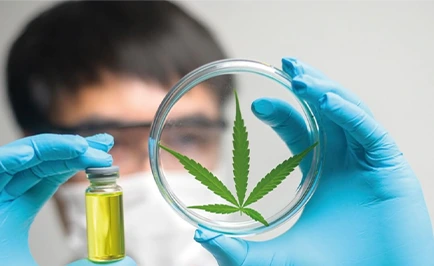
CBD products exhibit broad variability in cannabinoid and THC content, as well as manufacturing quality. A Certificate of Analysis (COA) from an accredited laboratory should accompany any CBD product. Legal and regulatory frameworks for CBD products differ by jurisdiction. BSCG’s Certified CBD program verifies cannabinoid potency, THC limits for drug testing protection, and performs contaminant and banned substance screening relevant for athletes and regulated users of hemp-derived products.
Guidance for Brands and Retailers on Safer Online Supplement Sales
Brands can facilitate safer purchasing by implementing controlled distribution, maintaining complete and current product pages, ensuring transparent testing information, and providing accessible support.
Comprehensive Product Pages Support Accurate Consumer Decisions
Product listings should display the current Supplement Facts, allergen notices, storage guidance, all warning statements, and full testing or certification data. Incomplete or outdated listings raise consumer confusion and complicate counterfeit detection.
Third-Party Certification Establishes Trust in Brands and Product Quality
Documented third-party certifications serve as evidence of quality, contaminant controls, and banned substance screening. For brands evaluating certification, BSCG’s programs cover banned substance testing, quality and identity verification, CBD compliance, and GMP auditing according to product needs and market.
Marketplace Oversight Remains Important
Brands should monitor their marketplace presence for unauthorized sellers, inaccurate listings, misleading images, or inventory commingling. Consistent information and clear policies regarding authorized sales minimize risk and strengthen consumer confidence. Unfortunately, counterfeit products has become a significant concern in the industry and represent a documented concern for consumers.
Frequently Asked Questions
What is the safest source for buying supplements?
No online source is universally the safest. Official brand websites and authorized retailers reduce risk by offering current, accurately labeled products. Buyers should still verify labels, seller identity, certification status, and product claims for every purchase.
Can supplements be purchased safely from Amazon or similar marketplaces?
Marketplaces require more rigorous verification processes. Purchasers must identify the seller, confirm authorized status, compare product listings to brand information, and review expiration and certification documentation. Amazon has implemented enhanced requirements for select categories of supplements; however, these safeguards do not encompass every listing. Amazon requires GMP compliance to be demonstrated at the manufacturing level, and has instituted requirements for label claim and contaminant and drug screening in high risk categories like weight loss, bodybuilding, sexual enhancement, and joint health.
How can I confirm a supplement is third-party tested?
Often time there is a claim that a product is third-party tested but this requires verification of the actual test results. Third-party certification provider have specific programs that include testing for label claims, contaminants or banned substances. BSCG certification programs like Certified Drug Free, Certified Quality, and Certified CBD provide quality verification for consumers. Look for the certifier’s name on the product or website. Access the certifier’s official site or database to confirm the specific product and lot number. Understand each certification’s coverage, since testing scope varies by program. A logo alone is insufficient without a corresponding database listing.
Are certified supplements free from all risk?
Certification addresses specific, documented risks per the testing program’s scope but does not eliminate all potential hazards. It does not substitute for medical advice, assure individual tolerability, or validate a product’s necessity or effectiveness. As outlined by BSCG, testing reduces but does not eliminate risk.
What should athletes confirm before online supplement purchases?
Athletes are advised to seek lot-specific certification from programs screening for banned substances applicable to relevant sport organizations. They should verify ingredient names against prohibited lists, reject products with ambiguous or high-risk claims, and check claims with official certifier databases. Reviews or influencer endorsements are not appropriate substitutes for this process. Third-party certification from a provider like BSCG Certified Drug Free, Informed Sport, or NSF Certified for Sport offer lot level testing for banned substances.
To what extent are supplement user reviews trustworthy?
User reviews may reflect sensory properties and customer service experiences but do not provide verification of ingredient identity, label accuracy, contaminant controls, or banned substance testing. For safety critical assessments, especially among drug-tested groups, third-party certification evidence supersedes anecdotal feedback.
Conclusions: Safe Supplement Purchasing Relies on Verification
Website reputation represents only one factor in supplement safety. Seller identity, ingredient disclosures, claim substantiation, third-party certification, lot details, and product category all contribute to risk determination. A known marketplace does not assure content authenticity, seller legitimacy, or product testing status.
Drug-tested populations require elevated standards of verification due to measurable contamination and mislabeling risks, and a positive drug test’s ramifications do not diminish based on purchase channel familiarity.
BSCG offers resources such as Certified Drug Free, Certified Quality, Certified CBD, the Certified Drug Free database, and the Dietary Supplement Ingredient Advisory List to support evaluation of supplement safety and verification. These tools apply across all retail channels and enable more informed, accurate purchase decisions.
CERTIFIED CLIENTS
Search by Lot, Product, Brand, Category, or Other Keyword.
Certified Drug Free
Certified Quality
Certified GMP
Certified CBD